




The Undeniable Power of Demand
The most straightforward reason is also the most powerful: economics and efficiency. Overnight trains are immensely popular for long-distance travel because they offer a dual benefit. They save travellers the cost of a hotel for one night and, crucially,
save a precious daylight day that would otherwise be spent in transit. For families on vacation, migrant workers heading home, or students travelling for exams, this dual saving is a massive advantage. This makes overnight berths, especially in Sleeper and AC 3-Tier classes, the most sought-after real estate on Indian Railways. Morning trains, conversely, often serve shorter intercity routes. Passengers are typically business travellers or day-trippers who will return the same evening. While demand exists, it's not as concentrated or desperate as the demand for the classic overnight journey.
A Tale of Two Travellers
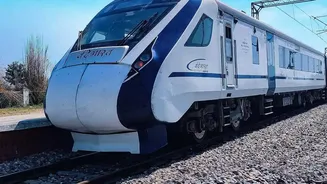
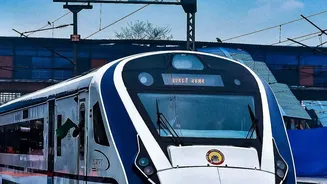
The typical passenger profile for these two types of trains is fundamentally different, which shapes demand patterns. Overnight trains are the lifeline for a diverse group: families travelling with luggage for long holidays, individuals relocating for work, and millions returning to their hometowns during festival seasons. For these travellers, the journey itself is part of a larger, often essential, plan. Morning intercity services, like the Shatabdi, Tejas, or Vande Bharat Express, cater to a different clientele. These are often professionals attending a meeting in a nearby city or people on a short personal trip. Their travel needs are time-sensitive but often confined to a single day, leading to a more dynamic but less overwhelming demand compared to the sheer volume of long-distance overnight passengers.
The Science of Train Composition
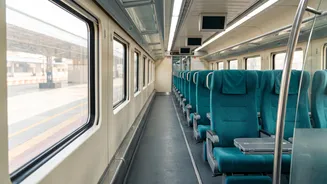
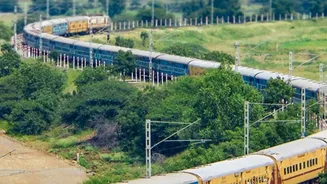
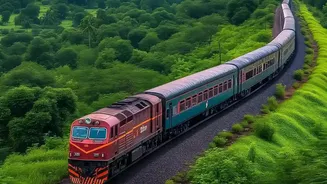
Not all trains are created equal. Indian Railways designs train compositions based on the expected demand for a particular route and time. A long-distance overnight express train is packed with high-capacity Sleeper and AC coaches, which contain berths for sleeping. In contrast, a morning intercity express is primarily composed of AC Chair Car (CC) and Executive Chair Car (EC) coaches, which have seats, not berths. A standard sleeper coach can hold over 70 passengers, whereas chair cars have different capacities. This fundamental difference in coach type means an overnight train is built from the ground up to move a massive number of people over long distances, and every single berth is in high demand. Day trains have a different structure for a different purpose, influencing overall availability.
Decoding the Complex Quota System
Before a single ticket is made available to the general public, a significant portion of seats on many trains is already blocked under various quotas. Indian Railways allocates seats for dozens of categories, including Ladies (LD), Senior Citizens (SS), Defence (DF), Parliament House (PH), and the highly sought-after Tatkal (TQ) for last-minute travel. On popular overnight routes, these quotas can lock away a substantial number of berths. The General Quota (GN), which is open to all, might only constitute 60-70% of the total seats. While off-peak morning trains also have quotas, the pressure on them is often less intense. The high demand for overnight routes means that quota seats are filled instantly, leaving fewer options for the general traveller right from the moment bookings open, which is typically 60 days in advance.
The 'Rush' Factor and Dynamic Pricing
The term 'rush' isn't just about the time of day; it's about the time of year. During major festival seasons like Diwali, Holi, and summer holidays, the demand for overnight trains multiplies exponentially. Routes connecting major metro cities to states like Uttar Pradesh, Bihar, and West Bengal become nearly impossible to book. Furthermore, premium trains like Rajdhani, Shatabdi, and Duronto operate on a dynamic pricing model, where fares increase as seats fill up, similar to airlines. This system is applied more aggressively on high-demand overnight routes. While morning train demand also rises during festivals, the increase is often not as severe. Many travellers planning festival trips need to cover long distances, making the overnight option the only practical one, thus funnelling overwhelming demand onto a limited number of services.