





The Unseen Danger of Cross-Contamination
Cross-contamination is the unintentional transfer of harmful bacteria or other microorganisms from one object to another. In the kitchen, this most often occurs when germs from raw meat, poultry, seafood, or eggs get onto ready-to-eat foods. While cooking
can kill dangerous bacteria like Salmonella, E. coli, and Campylobacter present in raw foods, those germs can cause serious illness if they find their way onto a salad, a piece of fruit, or a cooked dish that won't be heated again. These bacteria are invisible, have no smell, and no taste, making separation the most critical defence in preventing foodborne illnesses. The core principle is simple: what is raw must never touch what is cooked or ready-to-eat.
A Guide to Smart Fridge Storage
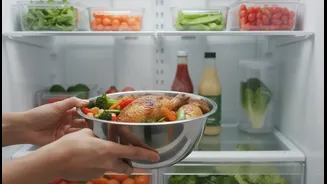
Your refrigerator is the first line of defence. Proper organisation is essential to prevent drips and leaks from raw items contaminating other foods. Always store raw meat, poultry, and seafood on the bottom shelf of your fridge. This simple practice ensures that any juices, which could be teeming with bacteria, cannot drip down onto cooked leftovers, fresh vegetables, or dairy products. Keep these raw items in sealed, leak-proof containers or well-wrapped packages to further contain any potential leakage. Ready-to-eat foods, such as cooked meats, salads, and desserts, should always be stored on the upper shelves, well away from their raw counterparts. Your fridge temperature should be set at or below 5°C to slow bacterial growth.
The Cutting Board and Utensil Rule
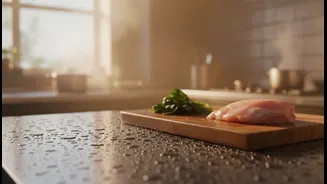
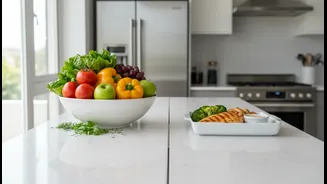
One of the most common mistakes in home kitchens is using the same cutting board and knife for everything. To avoid cross-contamination, it's highly recommended to use separate cutting boards: one for raw meat, poultry, and seafood, and another for produce, bread, and other ready-to-eat items. Some people find using colour-coded boards helpful to keep track. If you only have one cutting board, always prepare your fruits and vegetables first. Set them aside, then thoroughly wash the board with hot, soapy water before using it for raw meat. The same rule applies to all utensils, plates, and countertops. Never place cooked food on a plate that previously held raw meat unless it has been washed completely with hot, soapy water.
Wash Your Hands, Not Your Chicken
Proper handwashing is a non-negotiable step in food safety. You should wash your hands with warm, soapy water for at least 20 seconds before, during, and especially after handling raw meat, poultry, or eggs. This prevents you from transferring germs to spice jars, fridge handles, or other foods. However, one thing you shouldn't wash is raw chicken or other meat. Rinsing poultry under the tap does not remove bacteria; instead, it splashes germ-filled water around your sink, onto your counters, and potentially onto nearby clean dishes. The only way to destroy these bacteria is to cook the meat to a safe internal temperature.
Mind Your Marinades and Grilling Habits
Marinades can add wonderful flavour, but they also pose a contamination risk. Always marinate food inside the refrigerator, never on the counter where temperatures can allow bacteria to multiply rapidly. A common mistake is to use leftover marinade from raw meat as a sauce for the cooked food. This is dangerous because the marinade can contain harmful bacteria from the raw meat. If you want to use the marinade as a sauce, you must bring it to a rolling boil first to kill any pathogens. Similarly, when grilling or cooking, use a clean set of tongs and a fresh plate to handle and serve cooked food. Reusing the same utensils or platter that held the raw product will recontaminate your safely cooked meal.