



A Healthier Craving for Crunch
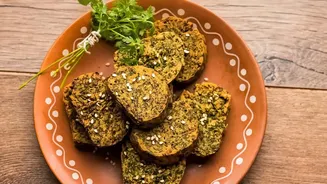
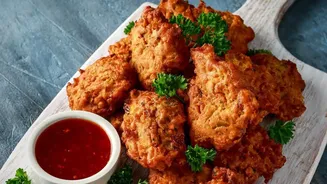
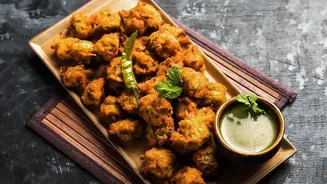
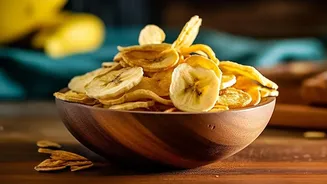
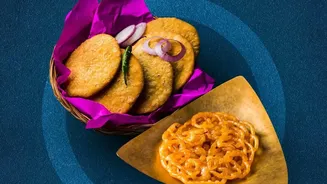
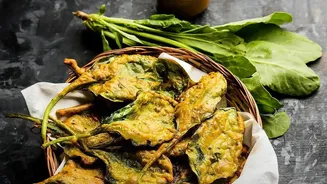
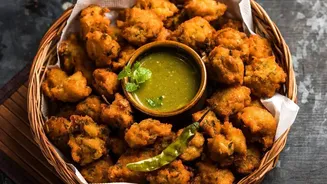
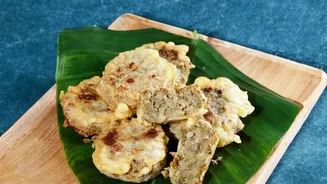
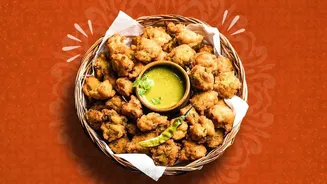
From monsoon evenings to festive gatherings, fried snacks are woven into the fabric of Indian life. Pakoras, with their spiced gram flour batter encasing everything from onions to spinach, and crispy banana chips, a staple from Kerala, are national treasures.
Yet, the conversation around daily wellness and mindful eating is reshaping culinary habits. The desire for these comfort foods remains strong, but families are increasingly seeking ways to reduce oil consumption without sacrificing the textures and flavours they love. This shift has paved the way for a new generation of recipes and gadgets designed to deliver that satisfying crispiness in a healthier, lighter format.
The Air Fryer Revolution
The most significant player in this low-oil revolution is the air fryer. This countertop appliance circulates hot air at high speed to mimic the effects of deep-frying with just a fraction of the oil. For pakoras, the key is a slightly thicker, stickier batter that clings to the vegetables without dripping. Many recipes call for adding a tablespoon of rice flour to the besan (gram flour) batter for extra crispiness. The mixture is then formed into small patties or balls, placed in the air fryer basket in a single layer, and lightly sprayed with oil. They are typically cooked at around 180-190°C for 10-15 minutes, with a flip halfway through to ensure an even, golden-brown finish. For banana chips, raw plantains are sliced thinly, patted dry to remove moisture, tossed in a minimal amount of oil and turmeric, and air-fried at a lower temperature of about 160°C until crisp.
Mastering the Oven-Baked Method
For those without an air fryer, the conventional oven is an excellent and accessible alternative. Baking can achieve a delightful crunch for both pakoras and banana chips. The principle is similar: high heat and good air circulation. To make baked pakoras, vegetable-laden batter is spooned onto a baking sheet lined with parchment paper. A light brush or spray of oil helps the exterior to brown and crisp up. They are typically baked in a preheated oven at a high temperature, around 200°C, for about 20-25 minutes, flipping them halfway through the cooking time to ensure they are evenly cooked. For banana chips, thinly sliced raw bananas are arranged in a single layer on a baking tray, ensuring they don't overlap, and baked at around 180°C for about 15 minutes or until they turn crispy and golden.
The Traditional Touch: The Appe Pan
A traditional piece of South Indian cookware, the appe or paniyaram pan, has found a new purpose in making low-oil snacks. This cast-iron pan features multiple small, rounded cavities, making it perfect for cooking bite-sized items with minimal oil. For pakoras, a small amount of oil is added to each cavity, which is then filled with the batter. The pan's shape ensures the pakoras cook into uniform, round fritters that are crispy on the outside and soft inside, all while using significantly less oil than deep-frying. The technique requires cooking on medium heat to ensure the inside is cooked through before the outside burns. While traditionally used for fermented batters, this pan adapts wonderfully for creating healthier versions of kadhi pakoras or evening snacks.
Tips for Perfect Low-Oil Results
Regardless of the method, a few key techniques can elevate your low-oil snacks. First, manage moisture; patting vegetables or banana slices dry is crucial for achieving crispiness. Second, don't overcrowd your air fryer basket or baking sheet, as this causes the food to steam rather than crisp. For pakora batter, using a combination of besan and rice flour contributes to a lighter, crispier texture. A crucial tip for onion pakoras is to salt the onions first and let them rest; this draws out their natural water, which can then be used to form a thick batter with very little added water. Finally, always season your snacks while they are still hot to ensure the spices adhere properly. A sprinkle of chaat masala just after cooking can add a final burst of flavour.