




A Celestial View of a Microscopic Event
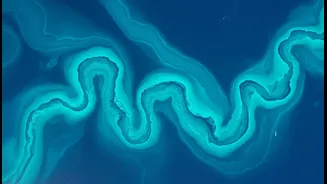
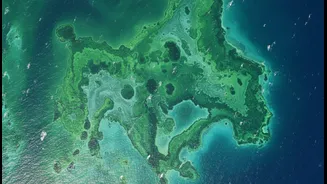
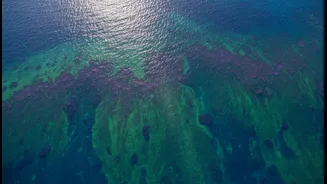
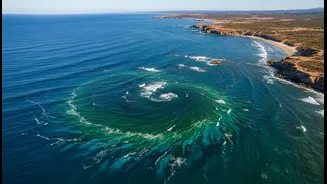
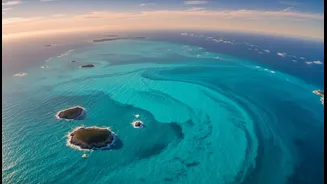
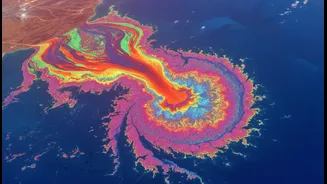
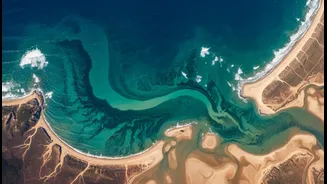
Each year during late spring and summer, satellites from agencies like NASA capture this stunning transformation. Recent images from June 2026, taken by the PACE (Plankton, Aerosol, Cloud, ocean Ecosystem) satellite, show the sea filled with intricate,
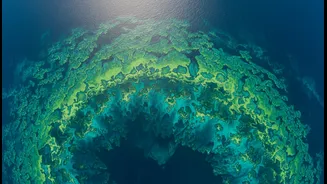
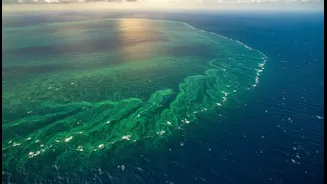
turquoise patterns. This phenomenon is the result of a phytoplankton bloom, an explosion in the population of microscopic, floating organisms. While individual plankton are invisible to the naked eye, when they multiply into the billions, their collective presence is so vast it can be seen from space, tracing the ocean's currents and eddies.
Meet the Tiny 'Artists' Behind the Glow
The specific culprits behind the Black Sea's famous glow are a type of phytoplankton called coccolithophores, most notably the species Emiliania huxleyi. Unlike other algae, coccolithophores are covered in ornate, chalky plates made of calcium carbonate. It's not that these organisms produce light, but rather that their highly reflective plates scatter sunlight. When a bloom occurs, the sheer density of these microscopic calcite shells turns the water a brilliant, milky blue, a stark contrast to other times of the year when different algae, like diatoms with their silica shells, can make the water appear darker.
The Recipe for a Bloom
For a bloom of this magnitude to occur, a perfect storm of conditions is needed. Phytoplankton, like plants on land, require sunlight and nutrients to thrive. In the spring and summer, the sunlit surface waters of the Black Sea warm up. At the same time, major rivers like the Danube and Dnieper discharge nutrient-rich waters into the sea. This influx of nutrients, which often includes runoff from agricultural and urban areas, provides the feast that fuels the explosive growth of coccolithophores. This process, where excess nutrients fuel algal growth, is known as eutrophication.
The Good: Foundation of the Marine Food Web
In a balanced ecosystem, phytoplankton are a sign of life and vitality. They form the absolute base of the marine food web, converting sunlight into energy through photosynthesis. These microscopic powerhouses are food for zooplankton, which in turn feed small fish, and so on up to the largest marine animals. Furthermore, phytoplankton play a critical role in the global carbon cycle. By absorbing carbon dioxide for photosynthesis, they help remove this greenhouse gas from the atmosphere. When they die, the calcium carbonate plates of coccolithophores act as a ballast, sinking carbon-rich organic matter to the deep ocean, where it can be stored for long periods.
The Bad: The Risk of 'Dead Zones'
However, there is a dark side to these beautiful blooms, especially when they are supercharged by human pollution. When the massive bloom ends, the dead phytoplankton sink and decompose. The bacteria that break them down consume huge amounts of oxygen from the water. This process can lead to hypoxia (low oxygen) or anoxia (no oxygen), creating vast "dead zones" where fish, shellfish, and other marine life cannot survive. While not all blooms are toxic, some species can produce toxins harmful to marine life and even humans who consume contaminated seafood.
A Barometer for Ocean Health
Ultimately, the glowing swirls in the Black Sea are a complex and powerful indicator of ocean health. They represent a thriving, productive ecosystem at its most basic level, but also serve as a warning. The Black Sea is considered one of the marine environments most damaged by human activity, largely due to nutrient pollution that intensifies these blooms beyond their natural cycles. The beautiful images captured by NASA are therefore a double-edged sword. They showcase a vital, life-giving process, but also highlight the delicate balance of marine ecosystems and their vulnerability to human impact.