




From Holy Stops to Holistic Journeys
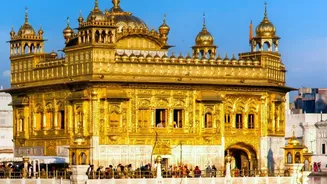
For generations, faith has been the single biggest reason for travel within India, accounting for an estimated 60% of all domestic journeys. Traditionally, this involved visiting a single destination like Tirupati or Shirdi, completing rituals, and returning.
That model is now transforming. The new approach focuses on 'circuits'—curated travel routes that connect multiple sites of spiritual or cultural significance. Government initiatives like the Swadesh Darshan and PRASHAD schemes have been pivotal, funding the development of thematic circuits such as the Ramayana, Buddhist, and Krishna circuits. The goal is to create integrated tourism ecosystems that encourage longer stays and deeper engagement, turning a one-day temple visit into a multi-day immersive experience.
The Modern Pilgrim's New Priorities
The driving force behind this evolution is a change in the traveller's mindset. Today's journeys are less about pure ritual and more about the experience. Modern travellers, including younger generations who often plan trips for their families, are seeking cultural immersion, storytelling, and community engagement alongside their spiritual quests. This aligns with a broader trend in 'experience-led' travel, where the activity—be it attending a concert or a food festival—dictates the destination, not the other way around. This new-age pilgrim wants good infrastructure, clean facilities, and authentic local experiences, moving beyond the constraints of traditional pilgrimage.
The Merging of Wellness and Spirituality
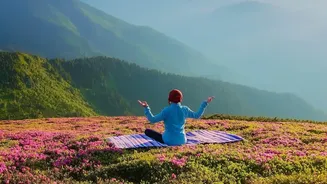
A crucial layer in this new travel landscape is the boom in wellness tourism. India's wellness economy is one of the fastest-growing in the world, valued at over $180 billion in 2024. Travellers are increasingly asking, 'Can I come back healthier than I left?'. This has broadened the scope of spiritual travel to include yoga, meditation, digital detoxes, and nature-based healing. Destinations like Rishikesh have seen a massive surge in interest, climbing to become one of the most-searched domestic locations as it perfectly blends spiritual ambience with wellness offerings. The result is a hybrid journey where one can visit an ancient temple in the morning and attend a mindfulness workshop in the afternoon, satisfying the need for both spiritual and mental rejuvenation.
Key Circuits Gaining Momentum
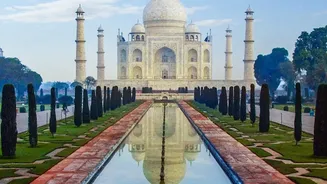
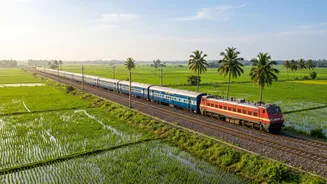
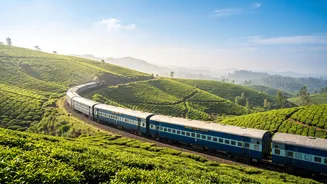
Several circuits exemplify this trend. The Ramayana Circuit, which connects key sites from the epic across states like Uttar Pradesh and Bihar, has seen significant infrastructure development under the Swadesh Darshan scheme. All sanctioned projects for this circuit in UP, including at Ayodhya and Chitrakoot, are now physically complete. Similarly, the Buddhist Circuit, linking places like Bodh Gaya, Sarnath, and Kushinagar, is being heavily promoted to attract both domestic and international visitors. With Sarnath gaining UNESCO World Heritage status and the development of new attractions like a theme park in Kushinagar, these circuits are becoming more accessible and engaging. Improved connectivity through expressways and even dedicated Vande Bharat trains is making multi-destination itineraries seamless.
The Role of Private Investment
This transformation is not just government-led. The private sector is quickly responding to the growing demand. Major hotel chains and boutique properties are expanding their footprint in spiritual towns, with a notable increase in premium room bookings. One report projected that over 9,000 new hotel rooms would be added in spiritual destinations by 2030. Online travel agencies now feature spiritual travel as a distinct, high-growth category. From luxury hotels offering curated wellness packages to tour operators creating bespoke spiritual trails, the market is innovating to cater to the traveller who is willing to spend more for a higher-quality, holistic experience. This synergy between public infrastructure and private innovation is redefining the future of travel in India.