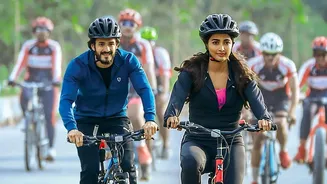







Across India's bustling cityscapes, a quiet revolution is on two wheels. A growing number of urban youth are trading motorised transport for the humble bicycle, embracing it not just for fitness, but as a statement of sustainable living.
A Post-Pandemic Fitness Boom
The COVID-19 pandemic
acted as a major catalyst, shifting perspectives on health and wellness. With gyms closed and movement restricted, many young Indians sought safe, outdoor alternatives for exercise. Cycling emerged as a popular choice, offering a blend of physical activity, mental refreshment, and a socially distanced way to explore one's surroundings. This trend reflects a broader generational shift towards proactive and holistic well-being. Studies show that a majority of Indian Gen Z now prioritize physical and mental health more than before, viewing fitness as an integral part of their lifestyle rather than a reactive measure.
The Rise of the Eco-Conscious Commuter
For a generation increasingly aware of climate change and urban pollution, the bicycle is more than a workout tool—it's a symbol of environmental responsibility. With transport being a major contributor to emissions in Indian cities, many young people are making conscious choices to reduce their carbon footprint. Opting for a cycle over a car or motorbike for short trips is a tangible way to contribute to cleaner air and less congested streets. This mindset aligns with a global youth-led push for sustainable living, where individual actions are seen as part of a collective solution to environmental challenges.
The Smart Economics of Cycling
Beyond health and environmental benefits, the economic argument for cycling is compelling. With rising fuel costs and the expense of vehicle ownership and maintenance, the bicycle presents a highly cost-effective alternative. For students and young professionals, this financial relief is a significant motivator. A cycle can be a one-time investment that saves money on daily commutes, which often consist of short distances ideal for cycling. In many Indian cities, where a large percentage of trips are under 10 kilometres, a bicycle is often not just cheaper, but also faster than a car stuck in traffic.
Building Communities and a New Status Symbol
Cycling in urban India is no longer just a solitary activity. The rise of cycling clubs and communities, both online and offline, has transformed it into a social experience. Weekend group rides, citywide cycling events, and shared fitness goals foster a sense of belonging and make the habit stick. This community aspect has helped rebrand cycling from a purely utilitarian mode of transport for the economically disadvantaged to a modern lifestyle choice. Owning a well designed bicycle and participating in these communities has become a new, aspirational status symbol for many urban youth.
Paving the Way with New Infrastructure
Government initiatives have also played a crucial role in this burgeoning trend. Programs like the 'India Cycles4Change Challenge', launched under the Smart Cities Mission, have encouraged cities to create more cycling friendly infrastructure. Over 100 cities have participated, leading to the development of pop up and permanent cycle lanes, traffic calming measures, and public bicycle sharing systems. While challenges like safety and fragmented networks remain, these efforts signal a growing official recognition of cycling's importance in urban mobility. Cities like Chandigarh, Pune, and Bengaluru are increasingly seen as leaders in this space.