







Defining Incapacitation: More Than Just The Dramatic
Pilot incapacitation isn't always the sudden, dramatic collapse often depicted on screen. While severe events like a heart attack or stroke are possible, incapacitation can also be subtle. It can range from gradual disorientation and an inability to communicate
to severe gastrointestinal illness or the effects of hypoxia. Because even minor impairment can affect decision-making, aviation protocols treat any form of incapacitation—obvious or subtle—as a serious threat to safety that requires immediate action.
The Co-Pilot Takes Immediate Command
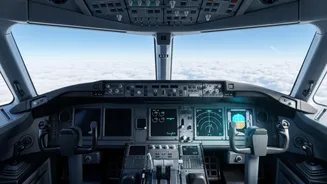
Commercial airliners are operated by two fully qualified pilots: a Captain and a First Officer (or co-pilot). They are trained to fly the aircraft independently. In an incapacitation event, the first and most critical step is for the remaining pilot to take complete control of the aircraft. This is often done with the verbal declaration, "I have control," which establishes a clear line of command. The remaining pilot's immediate priority is to stabilise the aircraft's flight path, engage the autopilot if necessary, and then move on to managing the emergency. This two-pilot system is the primary defence, ensuring that the loss of one crew member does not compromise the flight.
A Coordinated Response from the Entire Crew
Once the aircraft is under control, the pilot alerts the cabin crew. Flight attendants are highly trained emergency responders, not just service staff. They are drilled on incapacitation procedures, which include entering the cockpit to provide aid. Their first tasks are to secure the incapacitated pilot to prevent them from interfering with the flight controls—by moving their seat back and locking their harness—and to render first aid, which may include oxygen. They also become a crucial link to the passengers, checking for any on-board medical professionals who might be able to assist. This teamwork between the flight deck and the cabin is a core part of Crew Resource Management (CRM), a system designed to utilise all available resources in an emergency.
Declaring an Emergency: The Lifeline to the Ground
With the immediate situation in the cockpit managed, the flying pilot will declare an emergency with Air Traffic Control (ATC). Declaring a "PAN-PAN" (urgency) or "MAYDAY" (distress) call ensures the flight receives priority handling. ATC can clear airspace, suggest the nearest suitable airport for an emergency landing, and provide continuous support. Simultaneously, the crew contacts the airline's operations centre, which can provide technical support and connect them with on-call doctors for medical advice. This network of support transforms a single-pilot operation into a team effort, guided by experts on the ground.
Prevention and Training: The Foundation of Safety
The aviation industry’s primary strategy is prevention. Pilots must undergo rigorous and frequent medical examinations to maintain their fitness to fly. These exams screen for conditions that could lead to sudden incapacitation. Furthermore, pilots repeatedly train for this exact scenario in high-fidelity flight simulators. They practice flying the aircraft solo, running through emergency checklists, and coordinating with cabin crew and ATC. This relentless training builds the muscle memory and calm decisiveness needed to manage the high-stress environment of a real emergency.