

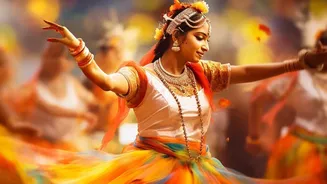
Every December, the hills of Nagaland come alive with a riot of colour, music, and tradition. The Hornbill Festival is a vibrant cultural spectacle, and this essential guide will walk you through everything you need to know to plan your visit.
The 'Festival of Festivals'
The Hornbill
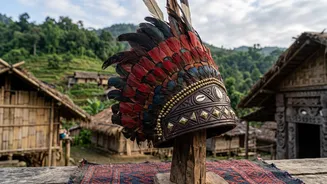
Festival, first held in 2000, is an annual 10-day event that showcases the incredible cultural diversity of Nagaland's indigenous tribes. Named after the revered hornbill bird, which features prominently in Naga folklore, the festival is a grand effort by the state government to protect and promote Nagaland's rich heritage and encourage inter-tribal interaction. For visitors, it is a rare and immersive opportunity to witness the distinct traditions, dances, music, and customs of all the Naga tribes in a single location. The event is affectionately known as the 'Festival of Festivals' because it consolidates the various tribal festivals into one massive celebration.
When and Where: Key Details for 2026
The Hornbill Festival is consistently held from December 1st to December 10th each year, coinciding with Nagaland Statehood Day on December 1st. The 2026 festival is expected to follow this schedule. The main venue is the Naga Heritage Village at Kisama, a purpose-built cultural complex located about 12 kilometres from Kohima, the state capital. While the daytime cultural events are centered in Kisama, the evenings come alive with a night carnival and music festival in Kohima.
Getting There: Travel to Kisama
The primary entry point to Nagaland is Dimapur, which has the state's only airport and major railway station. From Dimapur, it is a 70-kilometre journey to Kohima by road, which can take anywhere from 3 to 5 hours due to road conditions. Taxis, both private and shared, are the most common mode of transport between Dimapur and Kohima. Once in Kohima, Kisama Heritage Village is a further 12-kilometre, 30-45 minute drive. Shared taxis and dedicated festival bus services often run between Kohima and Kisama, but traffic can be heavy, so it's wise to start your day early.
The Essential Inner Line Permit (ILP)
Before you book flights or hotels, the most critical step is securing an Inner Line Permit (ILP). This is a mandatory travel document for all domestic Indian tourists entering Nagaland. The good news is that the application process is now entirely online through the official Nagaland ILP portal. A tourist ILP typically costs around ₹200, is valid for 30 days, and requires a digital copy of a government-issued photo ID (like an Aadhaar card) and a passport-sized photograph. Foreign tourists no longer need a Restricted Area Permit (RAP) but must register at the local Foreigners Registration Office (FRO) within 24 hours of arrival.
Where to Stay: Hotels, Homestays, and Camps
Accommodation for the Hornbill Festival books up months in advance, so planning is crucial. The most common option is to stay in a hotel in Kohima, which offers easy access to the city's night markets and restaurants. For a more cultural experience, consider a homestay in a nearby village like Kigwema, which is within walking distance of the festival grounds. Another popular choice is staying at one of the many campsites set up around Kisama, which range from basic tents to luxury 'glamping' options complete with butlers and ensuite bathrooms.
What to Experience at the Festival
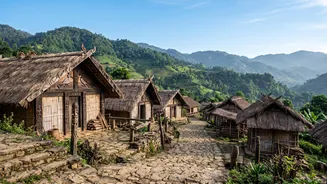
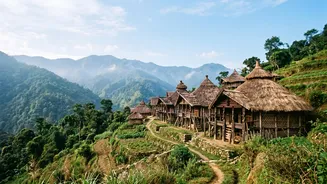
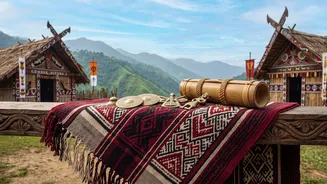
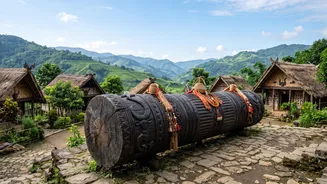
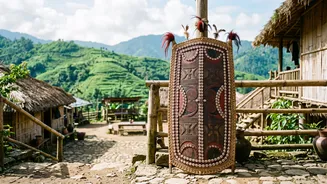
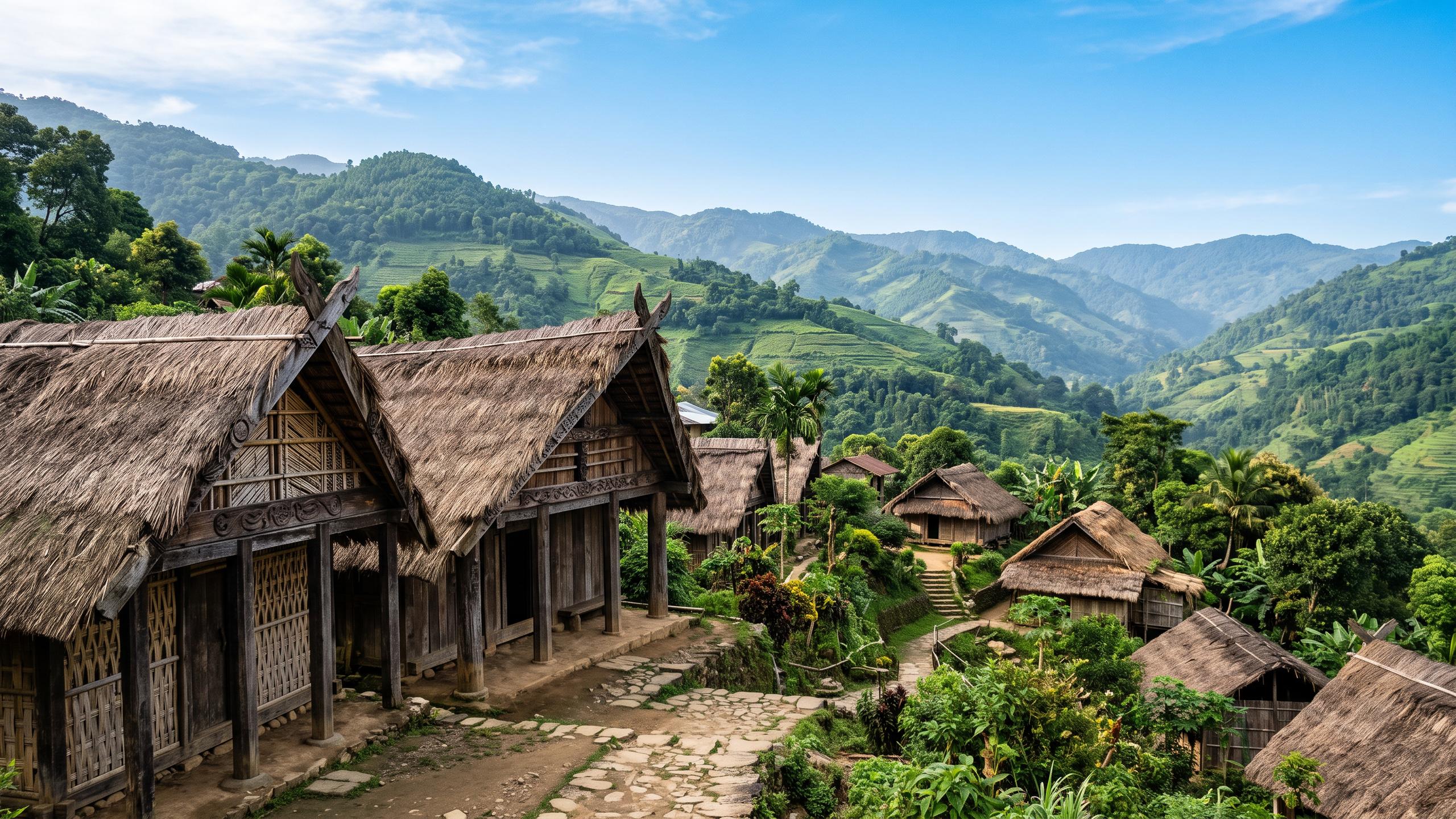
The heart of the festival is exploring the 'morungs'—traditional youth dormitories built in the distinct architectural style of each Naga tribe. Here, you can interact with villagers, watch artisans at work, and sample authentic Naga cuisine. The main arena hosts a daily schedule of cultural performances, including warrior dances, folk songs, and indigenous games like Naga wrestling and greasy bamboo climbing. Don't miss the craft bazaar for handwoven shawls and tribal jewelry, the food stalls offering delicacies like smoked pork with bamboo shoot, and the evening's Hornbill International Rock Contest.
Practical Tips for a Great Visit
To make the most of your trip, arrive at Kisama early to beat the traffic. December in the Naga hills is cold, especially in the evenings, so pack warm layers, a jacket, and comfortable walking shoes for the uneven terrain. While digital payments are sometimes available, mobile signal can be patchy, so carrying enough cash is essential for food and craft purchases. Always ask for permission before taking closeup photographs of performers or villagers. Finally, plan to spend at least two full days at the festival to truly soak in the vibrant atmosphere.