



The Quest for Ilish in Bengal
For Bengalis, the monsoon is synonymous with Ilish, or Hilsa, the undisputed 'King of Fishes'. This silvery, flavour-packed fish, which migrates from the sea to rivers to spawn during the rains, holds deep cultural significance. An entire trip to West
Bengal during this season can revolve around tasting its many preparations, from the simply fried 'Ilish bhaja', which fills the air with an irresistible aroma, to the iconic 'Shorshe Ilish', a rich and pungent mustard gravy preparation. Another celebrated dish is 'Ilish Paturi', where the fish is marinated in a mustard paste, wrapped in banana leaves, and steamed to perfection, locking in its delicate flavours. This seasonal availability makes it a prized, sought-after delicacy that defines the region's monsoon experience.
Savouring Festive Ghevar in Rajasthan
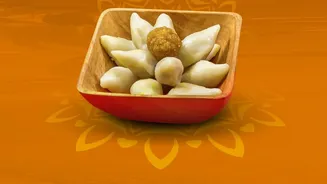
As the monsoon clouds gather over the arid landscapes of Rajasthan, sweet shops begin to display glistening, disc-shaped platters of Ghevar. This honeycomb-like sweet, made from deep-fried flour soaked in sugar syrup, is intrinsically linked to the monsoon festival of Teej. The humid weather of the season is considered essential for achieving the dessert's perfect porous and spongy texture. While the plain version is a classic, you can also find it topped with 'rabri' (thickened sweet milk) or 'mawa' (milk solids). Travelling through cities like Jaipur and Jodhpur during this time offers a chance to indulge in this intensely rich dessert that is as much a part of the festivities as the rain itself.
Wellness with Karkidaka Kanji in Kerala
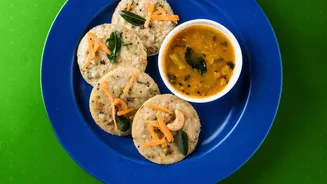
In Kerala, the monsoon is a time for rejuvenation, and at the heart of this wellness tradition is Karkidaka Kanji. This medicated rice porridge is consumed during the Malayalam month of Karkidakam (mid-July to mid-August) to boost immunity and aid digestion when the body is considered most vulnerable. Prepared with Njavara rice, a variety known for its medicinal properties, and a blend of Ayurvedic herbs and spices like fenugreek, cumin, and dry ginger, this gruel is a time-tested remedy. Experiencing this is less about tourism and more about participating in a deep-rooted cultural practice of seasonal nourishment and detoxification.
The Street-Side Romance of Bhutta
Across India, the smell of 'bhutta' (roasted corn on the cob) signals the arrival of the monsoon. Roadside vendors with their charcoal grills become a common sight, from the bustling Marine Drive in Mumbai to the wide avenues of Delhi. The experience is multisensory: the crackling sound of the coals, the smoky aroma, and the final flourish of a lime wedge rubbed with salt and chilli powder. This humble snack is the perfect companion for a rainy-day walk or a drive through misty hills, offering warmth and a tangy, smoky flavour that has become a national symbol of monsoon comfort.
The Ritual of Chai and Pakoras
No monsoon food list is complete without the classic combination of chai and pakoras. When the skies open up, kitchens and street-side stalls across the country fire up their woks to fry these crispy fritters. Made by dipping vegetables like onions, potatoes, or spinach in a spiced gram flour batter, pakoras are the ultimate rainy-day indulgence. Paired with a steaming cup of masala chai, brewed with warming spices like ginger and cardamom, this combination offers a comforting ritual that brings a sense of cosiness and contentment, making it a beloved experience shared in countless Indian households.
Foraging for Wild Mushrooms
For the more adventurous traveller, the monsoon unveils a hidden culinary treasure in India's forests: wild mushrooms. In Goa and along the Konkan coast, foragers hunt for 'Olmi', a species of Termitomyces mushrooms that grow on termite hills and cannot be cultivated. Similarly, the Sal forests of West Bengal's Junglemahal region yield dozens of edible varieties, locally known as 'chhatu', which are a delicacy for tribal communities. These mushrooms, with names like Rugda in Jharkhand and Gucchi in Kashmir, offer a taste of the wild, a direct connection to the region's ecology, and a fleeting experience available for only a few weeks each year.
Steamed Perfection: Patrani ni Macchi
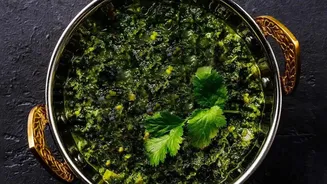
A star of Parsi cuisine, Patrani ni Macchi is a dish that feels perfectly suited to the monsoon. It involves coating a flat fish, typically pomfret, in a vibrant green chutney made from coconut, coriander, mint, and green chillies. The fish is then wrapped snugly in a banana leaf and steamed until tender and flaky. This cooking method not only infuses the fish with the fragrant aroma of the leaf and the fresh herbs but also results in a light, healthy, and incredibly flavourful meal. Enjoying this delicacy in a classic Parsi cafe in Mumbai or Pune during a downpour is a truly memorable experience.