







A New Definition of Wellness
Across India, a new wellness philosophy is taking root among the youth, one that treats fitness as an integrated part of daily life rather than a separate, strenuous activity. This holistic approach is moving away from the high-intensity, performance-driven
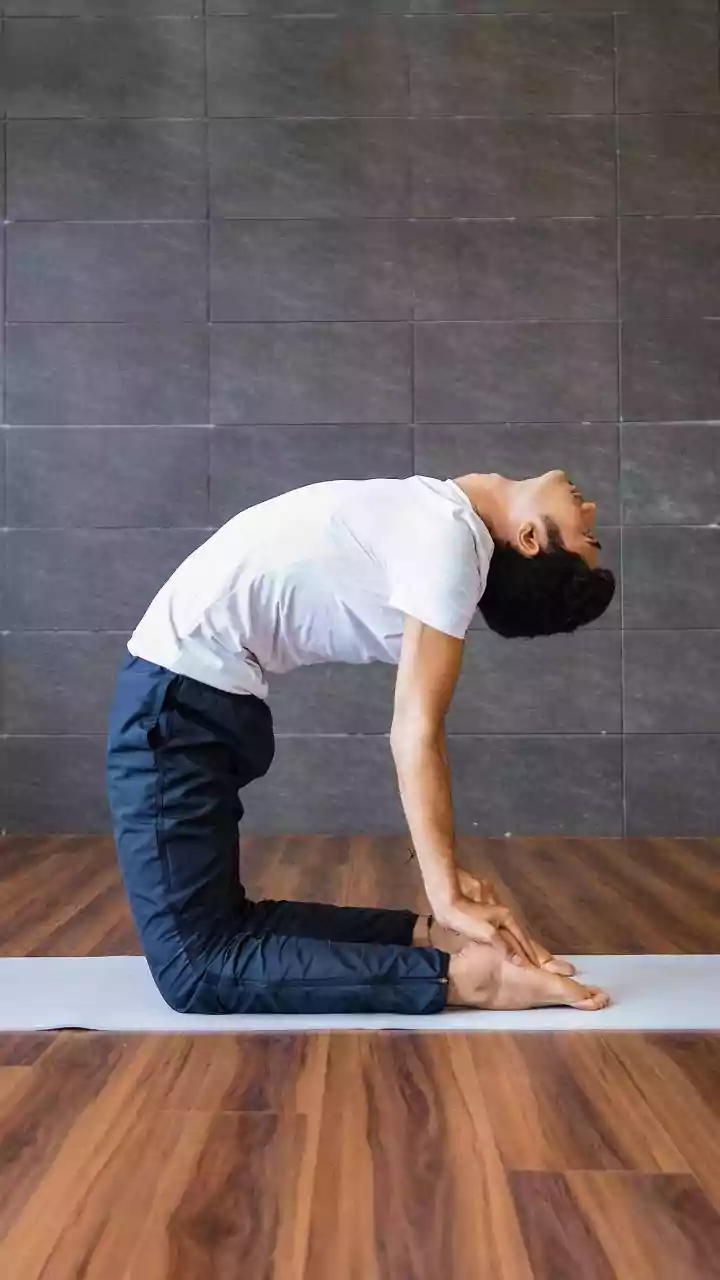
culture of traditional gyms. Instead, it champions a blend of physical, mental, and social well-being. Experts note a clear trend where younger generations are prioritising longevity, functional strength, and mental balance over purely aesthetic goals. This has led to a boom in activities like yoga, pilates, dance fitness, and trekking, which are seen not just as exercise, but as avenues for stress relief and community connection. This pivot reflects a deeper understanding that true health isn't just about physical strength but also includes emotional resilience and a sense of belonging.
The Mental Health Connection
A key driver of this fitness evolution is the growing conversation around mental health. With academic pressures, career anxieties, and the constant hum of social media, young Indians are actively seeking outlets for stress. Educational institutions and wellness organisations are increasingly integrating mindfulness and mental wellness into their programs. Activities like meditation, breathwork, and even gentle, mindful movements such as Tai Chi are becoming popular components of a youth fitness routine. These practices help improve focus, reduce anxiety, and build emotional resilience. The understanding is that a healthy body supports a healthy mind, and this connection is now being proactively nurtured through structured wellness programs in schools and colleges.
Community and Accessibility Take Centre Stage
The new fitness wave is also profoundly social and accessible. Community-focused fitness, both in-person and digital, is on the rise because working out with others boosts motivation and makes the experience more enjoyable. Government initiatives like the Fit India Movement and programs by the National Service Scheme (NSS) are encouraging community-wide participation in activities like cyclothons and local sports. Furthermore, this trend breaks down the barriers of cost and intimidation associated with conventional gyms. Outdoor sports, grassroots coaching camps run by NGOs, and home-based digital workouts make fitness available to a much wider audience, including those in low-income settlements and Tier-2 or Tier-3 cities. This democratisation of fitness ensures that well-being isn't a luxury but an achievable goal for all.
Technology as an Enabler, Not the Destination
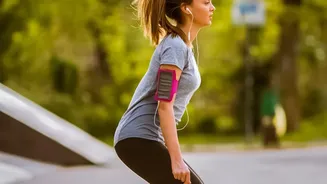
While the focus is shifting away from machine-based gym workouts, technology still plays a crucial role. Wearable devices, fitness apps, and AI-driven coaching are making wellness more personalised and data-driven. These tools help young people track their progress, stay motivated through gamified challenges, and connect with digital communities. However, the technology serves a broader purpose than just counting steps; it's used to monitor sleep, stress levels, and overall recovery, reinforcing the holistic view of health. The rise of hybrid models, which combine in-person activities with digital platforms, offers the flexibility that modern, often erratic schedules demand. This blend of tech and real-world activity makes maintaining a healthy lifestyle more convenient and integrated into daily routines.