




The High-Altitude Answer to Monsoon Woes
In recent years, a clear trend has emerged among savvy travellers: heading north, past the main Himalayan range, to the cold deserts of Spiti and Ladakh. During the peak monsoon months of July and August, when other popular hill stations are drenched,
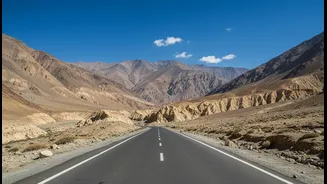
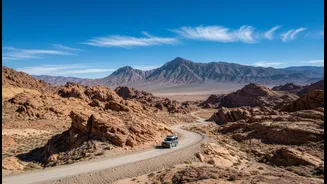
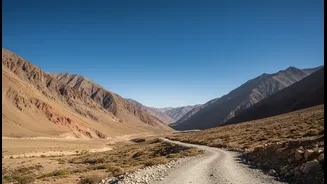
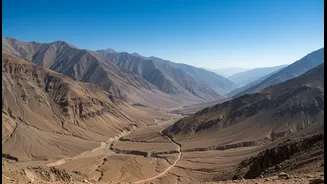
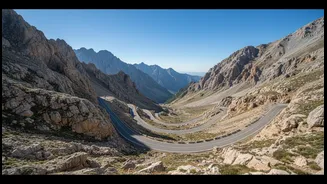
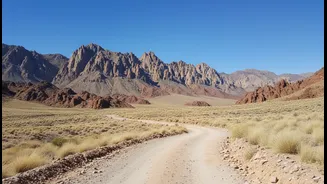
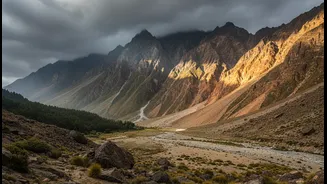
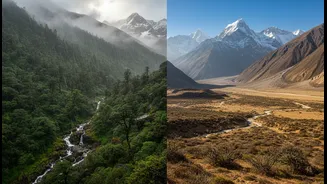
these regions offer a dramatic and, crucially, drier escape. Travel agencies and booking platforms report a significant rise in enquiries for these destinations, driven by families and professionals eager for an adventurous break without the anxiety of being stranded by relentless weather. They are trading the conventional misty greens of Shimla and Mussoorie for the stark, grand landscapes of a high-altitude desert, which promises open roads and clear skies.
The Secret Lies in a 'Rain Shadow'
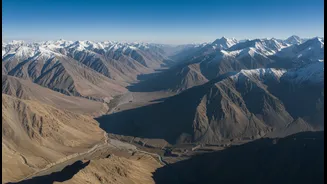
The magic behind this monsoon phenomenon is a simple geographical feature: the rain-shadow effect. The towering Himalayan ranges act as a colossal barrier, blocking the moisture-laden monsoon clouds that sweep in from the south. These clouds are forced to rise and shed their rain over the lower hills of Himachal Pradesh, Uttarakhand, and Jammu and Kashmir. By the time the weather system crosses the highest peaks, it has very little moisture left. Spiti and Ladakh, located on the leeward side of this great mountain wall, receive minimal rainfall, earning them the classification of 'cold deserts'. This unique positioning results in a climate that remains arid and largely sunny even as the rest of the subcontinent experiences its heaviest downpours.
A Tale of Two Himalayan Holidays
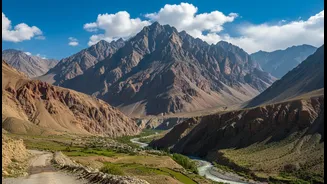
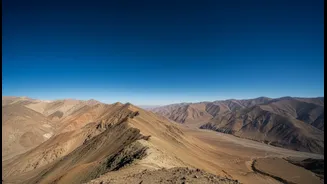
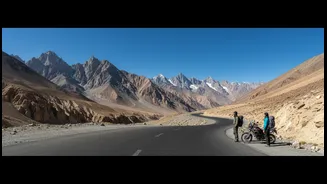
The contrast in experience is stark. A typical monsoon trip to a lower Himalayan destination involves navigating roads slick with rain and shrouded in fog, with the constant background worry of a potential landslide. While beautiful, outdoor activities are often dictated by the weather. In contrast, a trip to Ladakh or Spiti during the same period usually means comfortable daytime temperatures, bright sun, and breathtakingly clear views of the barren, multi-hued mountains. While lower regions turn lush and green, Spiti and Ladakh offer a different kind of beauty: the subtle greening of river valleys against a backdrop of brown and purple peaks, and brilliant blue skies that are perfect for photography and stargazing.
Understanding the Real Risks
While the destinations themselves are relatively safe from rain, it is a mistake to consider them entirely risk-free. The headline’s promise of a “landslide-free” break needs a crucial dose of reality. The main challenge lies in the journey. The highways leading to Ladakh and Spiti, namely the Manali-Leh and Srinagar-Leh highways, and the road to Kaza, pass through areas that receive heavy monsoon rains. These approach routes are susceptible to landslides, flash floods, and slushy water crossings, which can cause significant delays. Furthermore, climate change is making weather patterns more erratic. In recent years, even these dry regions have witnessed rare but intense cloudbursts, leading to flash floods. Beyond the weather, the high altitude itself poses the significant risk of Acute Mountain Sickness (AMS), which requires gradual acclimatisation, especially for families with children.
The Rewards of a Well-Planned Adventure
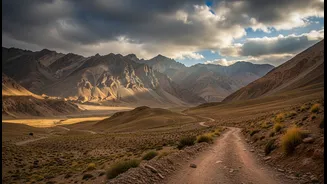
For those who plan carefully, the rewards are immense. The monsoon season is considered a shoulder season in Spiti and Ladakh, meaning fewer tourists compared to the peak summer rush of May and June. This translates to a more peaceful experience at iconic sites like Pangong Tso, Nubra Valley, or Key Monastery. Accommodation and transport can sometimes be more affordable. It’s also a time of vibrant local life, with several traditional festivals taking place in the monasteries during the summer months. Travellers are treated to dramatic cloud formations, a rare dusting of green on the valley floors, and the thrill of an epic road trip through one of the world's most spectacular landscapes.