



The Pink City has earned another feather in its cap. National Geographic recently named Jaipur to its prestigious 'Best of the World 2027' list, a major honour that spotlights the city for global travellers. This recognition celebrates Jaipur's upcoming
300th anniversary in 2027 and its enduring charm. But what exactly makes this city a perennial favourite and a top world destination?
A Landmark Anniversary and Global Recognition
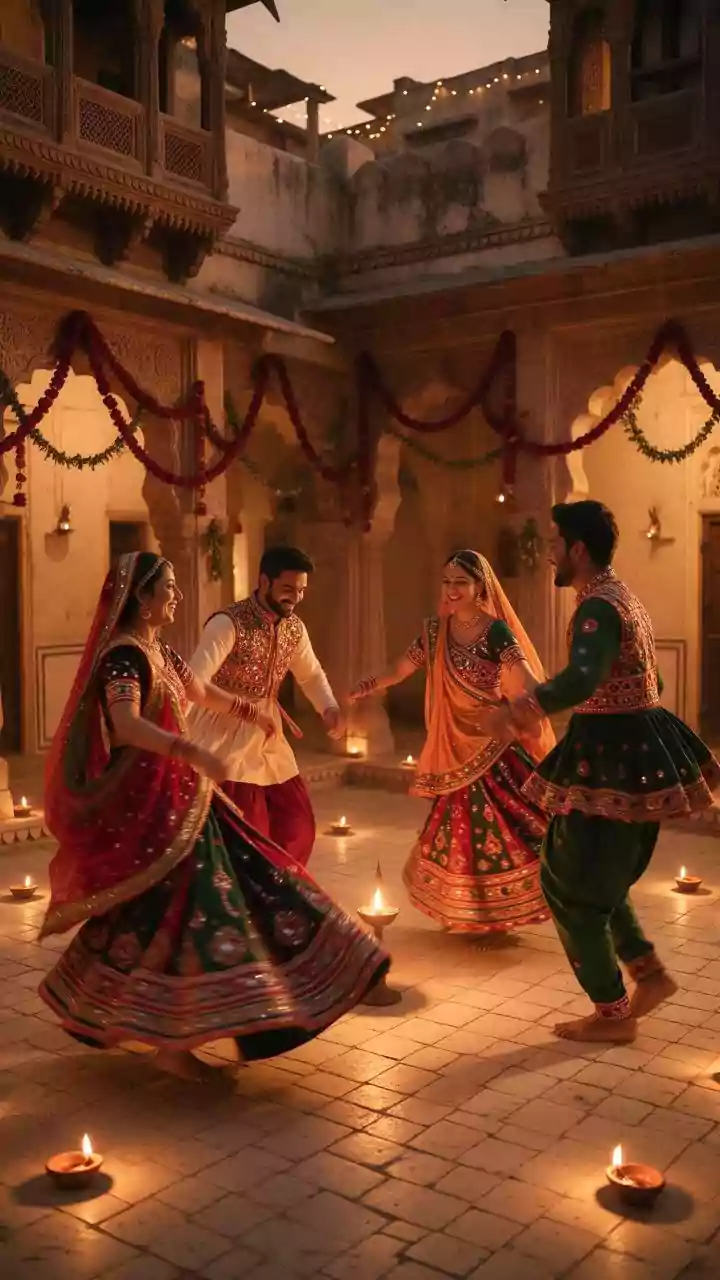
National Geographic's annual list is a highly anticipated guide for discerning travellers, and Jaipur's inclusion is a significant moment. The selection was made by a community of global travel experts and editors who highlighted the city's unique blend of heritage, culture, and timely milestones. The primary driver for its inclusion is Jaipur's 300th anniversary in 2027, marking three centuries since its founding by the visionary Maharaja Sawai Jai Singh II in 1727. This anniversary provides a perfect opportunity for visitors to experience the city at its most celebratory. Another key reason cited was the Jaipur Literature Festival, one of the largest literary gatherings in the world, which will celebrate its 20th edition in January 2027 and is expected to draw hundreds of thousands of attendees.
The Pink City's Royal Heritage
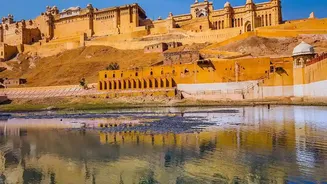
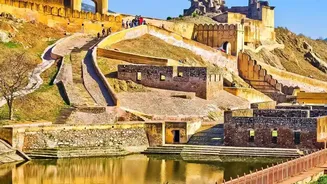
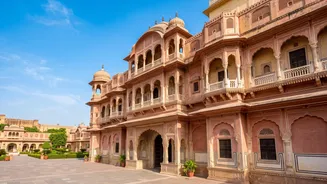
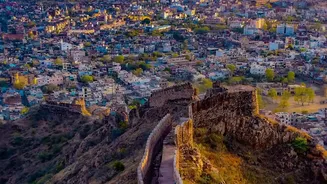
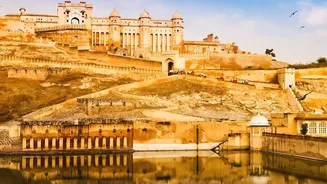
Jaipur’s identity is inseparable from its royal past and stunning architecture. It was India's first planned city, famously designed on a grid system based on Vedic principles. The nickname 'Pink City' comes from the distinct terracotta hue of the buildings in its historic core, a colour first applied in 1876 to welcome the Prince of Wales. This historic walled city is now a UNESCO World Heritage site, recognised for its exceptional urban planning and synthesis of Mughal and Rajput architectural styles. Visitors can step back in time at the magnificent Amber Fort, a sprawling hilltop palace complex, or explore the City Palace, which is still home to the former royal family and houses museums showcasing centuries of history.
Architectural Marvels at Every Corner
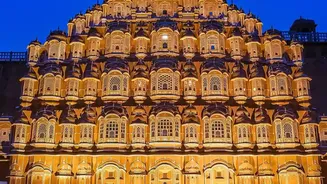
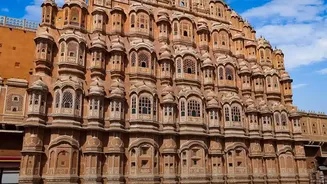
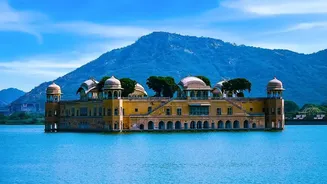
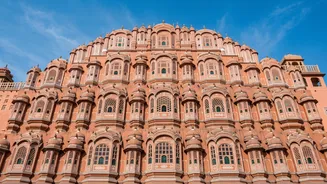
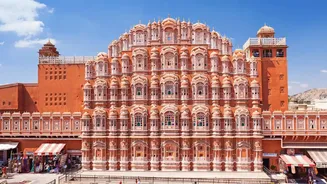
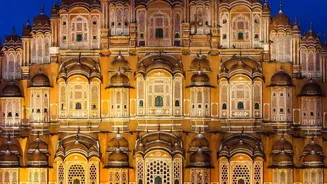
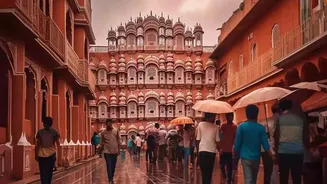
Beyond the grand forts, Jaipur is filled with unique architectural wonders. The most iconic is the Hawa Mahal, or 'Palace of Winds'. This five-storey facade of pink sandstone features an intricate honeycomb of 953 small windows, designed to allow royal women to observe street festivities unseen. Another must-see is Jantar Mantar, a UNESCO World Heritage site in its own right. This remarkable 18th-century observatory contains a collection of colossal astronomical instruments built by Maharaja Sawai Jai Singh II to study the cosmos, showcasing a fascinating intersection of science and art. The serene Jal Mahal, a palace that appears to float in the middle of Man Sagar Lake, provides one of the city's most picturesque views.
A Hub of Culture and Craftsmanship
Jaipur's soul lives in its vibrant bazaars and thriving artisanal traditions. National Geographic highlighted the city's living craft heritage as a key reason for its inclusion on the list. The bustling markets, such as Johari Bazaar and Bapu Bazaar, are a treasure trove for shoppers. Here, you can find everything from exquisite handmade jewellery, including the traditional meenakari and kundan work, to vibrant block-printed textiles and famous blue pottery. These crafts are not just souvenirs; they are part of a living history passed down through generations, making a walk through these markets an immersive cultural experience.