






The Courtyard Conundrum
The logic seems simple: a room facing inward, away from the city's main arteries, should be quieter. And often, it is. These rooms can be a welcome refuge from the sound of traffic, sirens, and bustling nightlife. However, this advantage disappears the moment
the hotel uses that same open-air space for social or corporate functions. Suddenly, your tranquil oasis is the epicentre of noise. Many hotels use their courtyards as event venues for weddings, conferences, or even as extended seating for their restaurants and bars, creating a direct conflict for guests whose rooms overlook the area. The very feature that promised quiet becomes a conduit for conversation, music, and late-night revelry.
Do Your Homework Before You Book
A few minutes of research can save you hours of sleeplessness. Before committing to a hotel, become a digital detective. Use online maps with satellite views to inspect the hotel's layout. Is there a large, open courtyard? Does it look like it's set up for events with features like a permanent bar or stage area? Next, scour recent guest reviews on travel websites. Don't just look at the star rating; use the search function to look for keywords like "noise," "wedding," "party," "courtyard," or "event." One person's complaint about a loud Saturday night could be the exact warning you need.
The Power of a Phone Call
While online booking is convenient, it's a poor tool for specific requests. Pick up the phone and call the hotel directly. This gives you a chance to speak with a human who can provide real-time information. Explain that you are a light sleeper and a quiet room is your top priority. Then, ask specific questions. Don't just ask for a quiet room; ask if your room will be overlooking a courtyard or any other space used for events. Inquire if any large group bookings, weddings, or conferences are scheduled during your stay. A direct conversation allows the hotel staff to understand your needs and potentially block you into a room that meets them, something a booking algorithm can't do.
Secure Your Sanctuary at Check-In
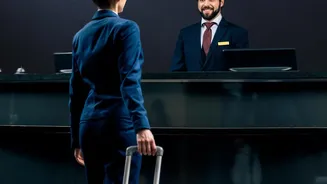
Your last best chance to secure a quiet room is at the front desk. Even if you made a request beforehand, politely reiterate it when you check in. Confirm the location of your assigned room. Ask, "Is this room on a high floor, away from the elevator, and not overlooking the courtyard or ballroom?" It is far easier to change rooms before you've unpacked than after. If the hotel seems busy, especially with a large group checking in, it might be a sign that event spaces will be in use. A friendly and clear request at check-in is a simple but powerful tool.
When Noise Strikes: Your Rights and Recourse
Despite your best efforts, you might find yourself listening to a DJ from your bed. If noise from a hotel-sanctioned event disrupts your stay, you should act immediately. The first step is to call the front desk. Explain the situation calmly and clearly, noting the time and the source of the noise. The hotel has a responsibility to provide a habitable environment, and that includes the ability to sleep. Ask what can be done. The most common solution is to be moved to a different, quieter room. If the hotel is full or cannot move you, it is reasonable to discuss compensation, such as a discount on the room rate. Remember to be polite but firm; you paid for a peaceful night's sleep, and if the hotel's own event is preventing that, they should work to make it right.