
Why August is the Perfect Starting Point
While Saturn will officially be at its biggest and brightest during its 'opposition' on October 4, 2026, August marks the beginning of the prime viewing season. Throughout the month, the planet will rise progressively earlier after midnight, climbing
higher into a dark sky and becoming a stunning celestial target. Think of August as the perfect dress rehearsal. The weather is often favorable for late-night viewing, and it gives you ample time to get comfortable with your telescope and learn how to spot the gas giant. By the time the main event arrives in October, you’ll be a seasoned observer ready for the best views of the year. Furthermore, the moon is near Saturn on August 4th, providing a convenient signpost to help you find your way.
What You Can Expect to See
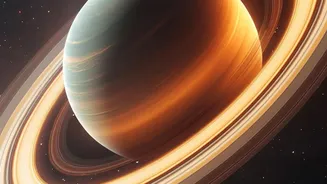
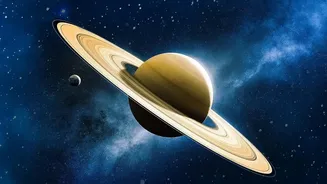
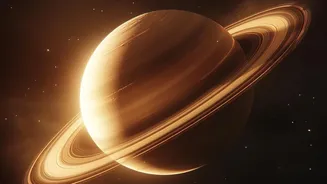
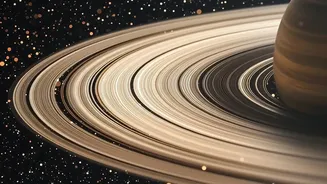
The magic of seeing Saturn for the first time is that its most famous feature is surprisingly accessible. Even a very small telescope will reveal that the bright, star-like point of light is not circular but distinctly oval—your first glimpse of its magnificent ring system. With a modest 3-inch telescope and a magnification of around 50x, those rings will resolve into a separate structure, a breathtaking sight that looks almost three-dimensional. You can also spot the shadow the planet casts upon its own rings, adding a sense of depth and reality to the view. Look for a tiny, star-like dot very close to the planet; that will likely be Titan, Saturn's largest moon, which is easily visible in most amateur telescopes.
Demystifying the 'Small Telescope'
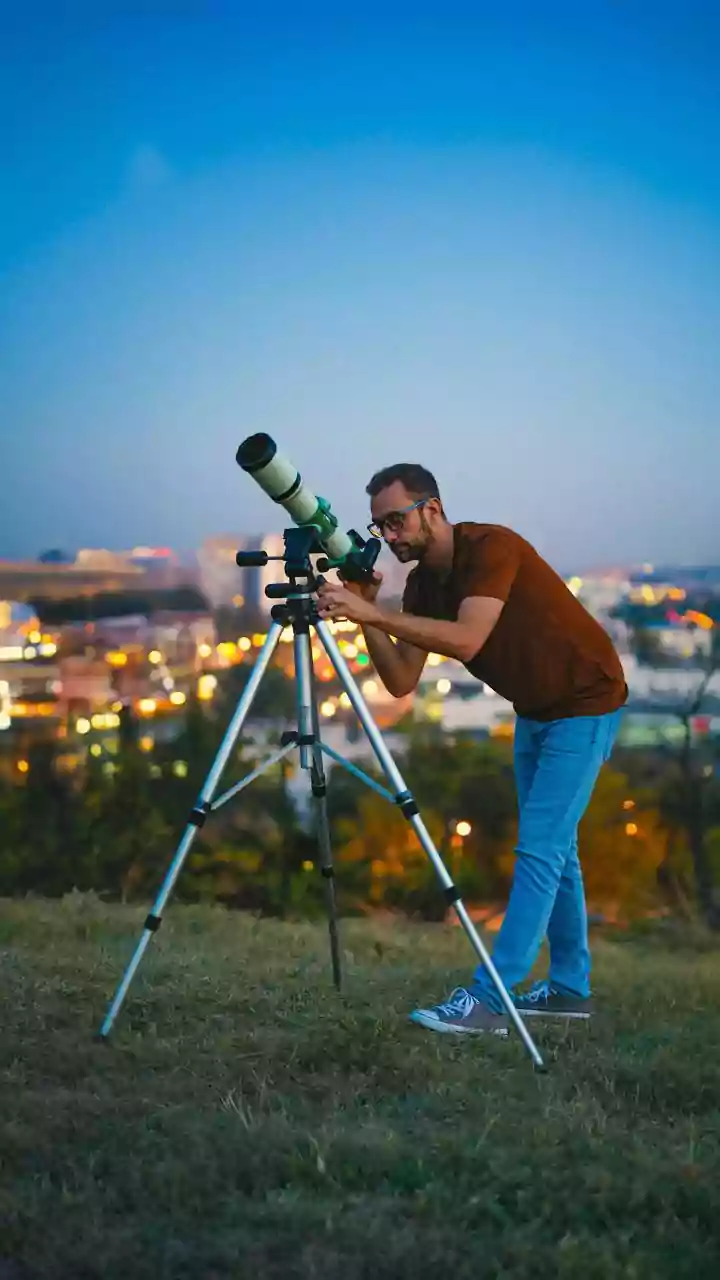
The phrase 'small telescope' often feels vague, but for viewing Saturn, the requirements are genuinely minimal. You do not need a large, expensive observatory-grade instrument. A basic refractor telescope with an aperture of 60mm to 70mm is more than capable of showing you the rings. The key is less about the size of the telescope and more about the magnification you use. An eyepiece that provides between 50x and 75x magnification is the sweet spot for clearly defining the planet and its rings. Many beginner telescope packages come with eyepieces that can achieve this. So if you have a telescope gathering dust in a closet, this is the perfect excuse to bring it out and put it to use.
Tips for a Flawless Viewing Experience
To make the most of your time under the stars, a little preparation goes a long way. First, escape bright city lights if you can; the darker your location, the more detail you'll see. Allow your telescope to sit outside for at least 30 minutes before you start observing. This lets the optics cool down to the ambient air temperature, preventing wavy, distorted images. Similarly, give your eyes about 20 minutes to fully adapt to the darkness. Avoid looking at your bright phone screen. If you need help locating Saturn, use a stargazing app with a red-light mode to preserve your night vision. Finally, be patient at the eyepiece. The Earth's atmosphere can be turbulent, but moments of steady 'seeing' will come and go, offering fleeting moments of crystal-clear detail.
An August Sky Full of Wonders
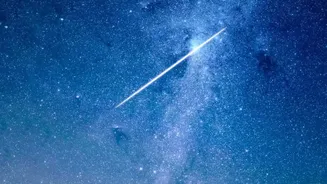
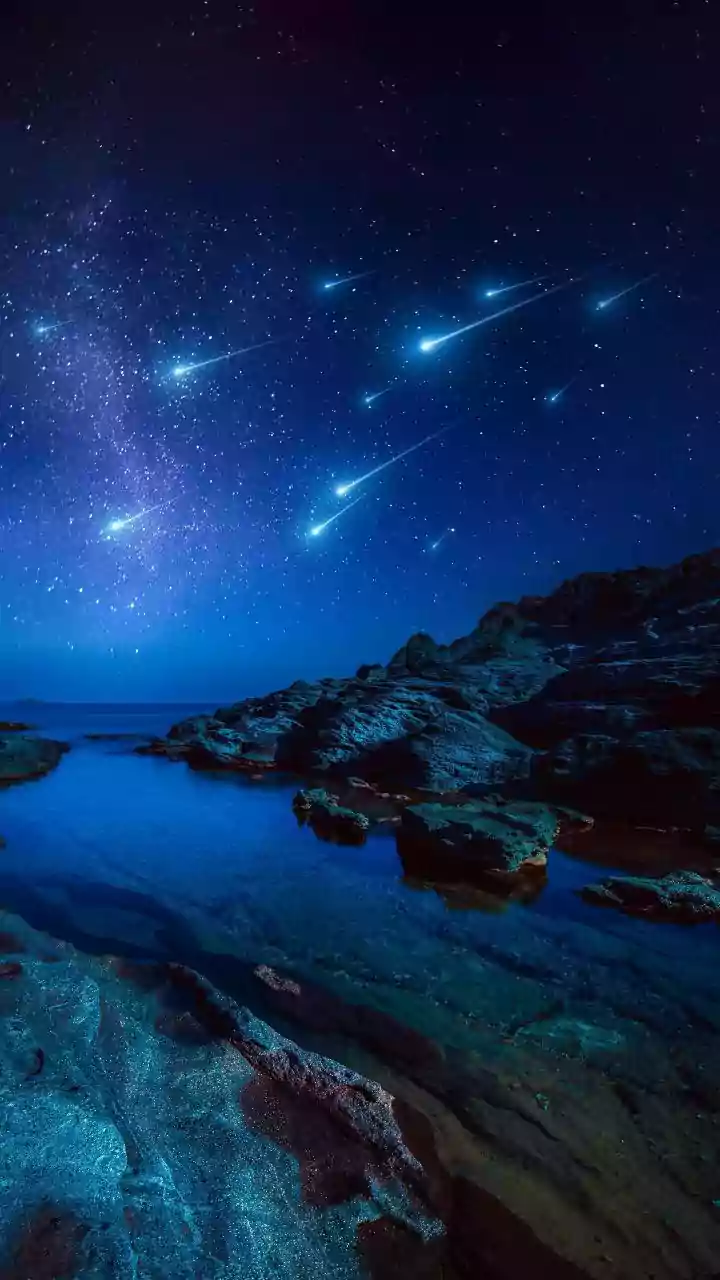
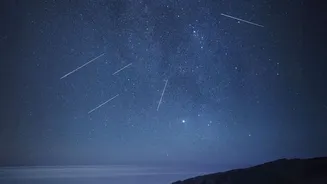
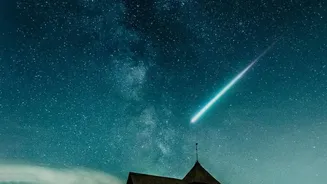
While Saturn is a highlight, it’s not the only show in the sky this August. The month is also host to the famous Perseid meteor shower, one of the best of the year for the Northern Hemisphere. It peaks around August 12-13, and this year is particularly special because the peak coincides with a New Moon. With no bright moonlight to wash out the view, you'll have perfect dark-sky conditions to spot dozens of shooting stars per hour from a dark location. As you wait for Saturn to rise later in the night, you can lie back and enjoy the meteor shower, making for a full night of astronomical wonders.