




Understanding the 'Karat' in Gold
Before diving into the comparison, it’s essential to understand what 'karat' (K) means. Karat is the unit used to measure the purity of gold. The scale runs from 0 to 24. Therefore, 24K gold is the purest form you can get, containing 99.9% pure gold. Anything
less than 24K means the gold is mixed with other metals, known as alloys. For instance, 22K gold means it is composed of 22 parts pure gold and 2 parts other metals like silver, copper, or zinc. This translates to 91.6% pure gold. This mix is not to cheat the customer, but to give the gold added strength.
24K Gold: The Standard of Purity
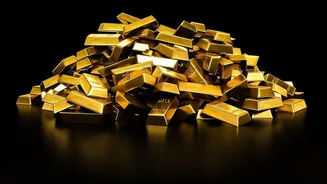
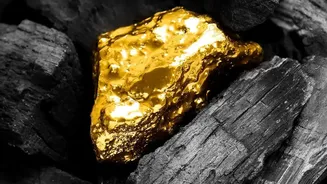
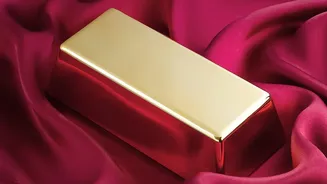
Twenty-four-karat gold is gold in its most untainted form. It boasts a brilliant, vibrant yellow colour that is unmatched. Because of its 99.9% purity, it is extremely soft and malleable. You could theoretically bend a thin 24K gold coin with your hands. This softness is its biggest disadvantage when it comes to crafting jewellery. It's prone to scratching, denting, and deforming with daily use. As a result, 24K gold is rarely used for regular jewellery in India. It is, however, the preferred choice for investment purposes, such as gold bars and coins, where purity is the primary measure of value.
22K Gold: The Jeweller's Choice
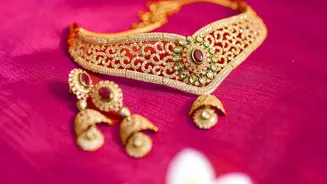
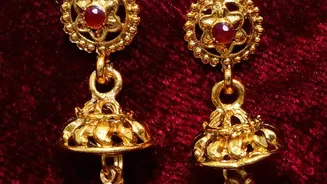
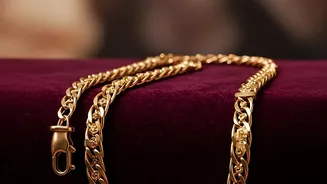
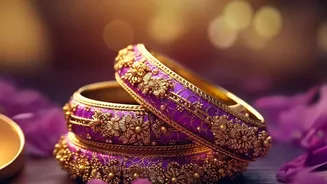
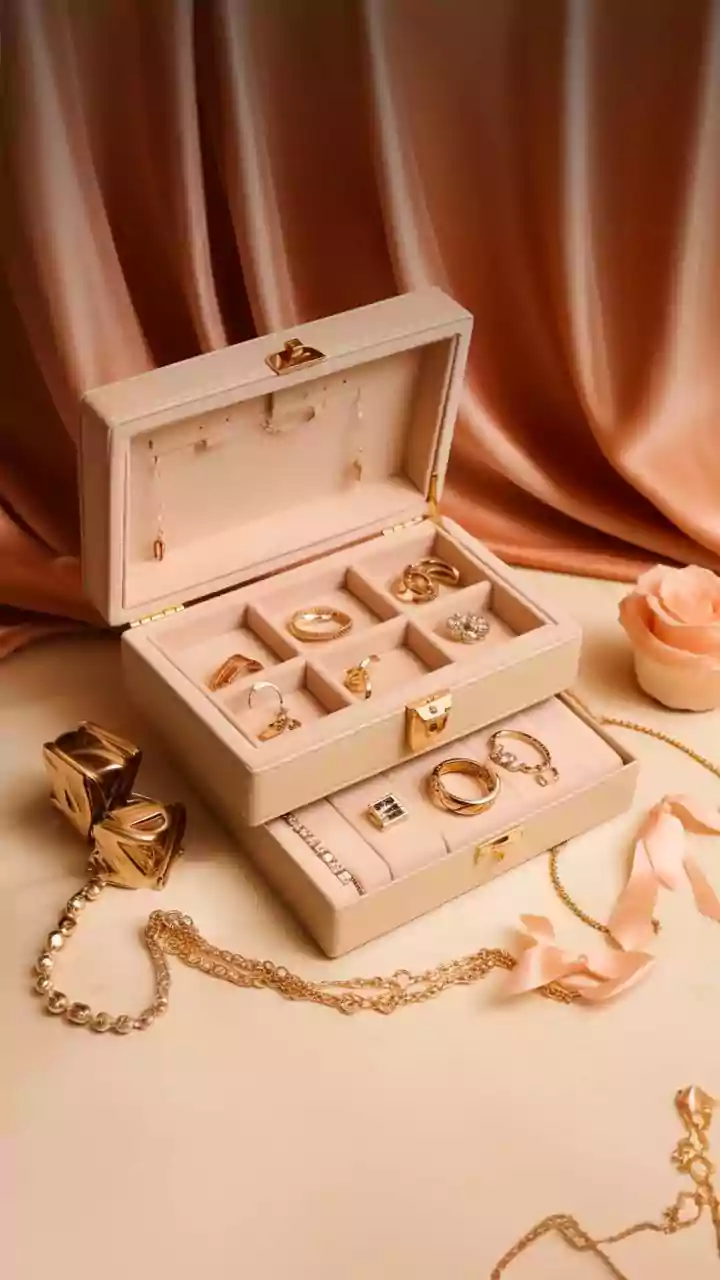
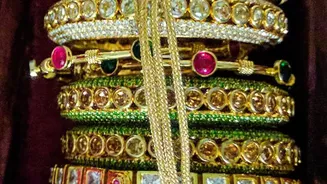
This is where 22K gold shines. By mixing 22 parts of gold with 2 parts of stronger alloy metals, jewellers create a material that is still incredibly valuable but significantly more durable. This strength makes it the most popular choice for crafting all kinds of gold jewellery in India, from intricate necklaces and bangles to everyday rings and earrings. The alloys allow the jewellery to withstand the rigours of daily wear and securely hold gemstones in place, something pure 24K gold cannot do reliably. This blend of high purity and practicality makes 22K gold the standard for most hallmarked jewellery in the country.
Purity vs. Durability: The Main Trade-Off
The choice between 22K and 24K gold ultimately boils down to a trade-off between purity and durability. If your primary goal is investment and you want the highest intrinsic value, 24K is the clear winner. You are paying for pure gold. If you intend to wear the item, 22K is the far more practical and logical choice. Its durability ensures that your treasured piece retains its shape and finish for years to come. While 24K has a richer colour, the warm glow of 22K gold is what most people in India associate with traditional gold jewellery.
Cost, Making Charges, and Resale Value
Naturally, 24K gold is more expensive per gram than 22K gold due to its higher gold content. However, the final price of jewellery is also heavily influenced by 'making charges'. These are the fees for the craftsmanship involved in creating the piece and can range from a percentage of the gold's value to a flat rate per gram. Interestingly, making charges are often non-refundable when you sell or exchange the jewellery. In terms of resale, both karats hold value well. 24K gold, when sold as bars or coins, will fetch a price closer to the market rate for pure gold. 22K jewellery has a strong resale market, and its value is determined by the prevailing gold rate for its purity (91.6%). Always look for the BIS hallmark, which certifies the purity of your purchase, whether it's 22K (marked as 916) or another karat.