




The Gut-Brain Superhighway
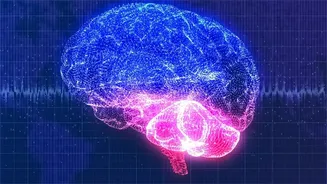
It might sound strange, but your gut and brain are in constant communication. This connection is called the gut-brain axis, a complex network linking your digestive system with your central nervous system. Think of it as a superhighway where information
travels back and forth. Stressful thoughts can trigger an upset stomach, and likewise, an unhealthy gut can send signals to the brain that contribute to feelings of anxiety, low mood, and brain fog. At the heart of this communication network are trillions of microorganisms in your gut, collectively known as the microbiome. When these microbes are balanced and healthy, the conversation between your gut and brain is smooth and positive. When they're out of balance, it can negatively impact your mental well-being.
Probiotics: The 'Good' Bacteria
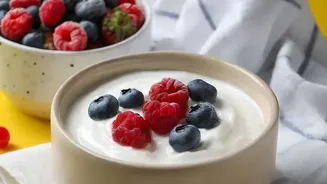
This is where probiotics come in. Probiotics are live, beneficial bacteria that help maintain a healthy balance in your gut microbiome. Found in fermented foods, these microorganisms are essential for good digestion and a strong immune system. But their benefits don't stop there. Research shows that a healthy gut full of diverse bacteria plays a critical role in producing neurotransmitters—the brain's chemical messengers. In fact, it's estimated that around 90-95% of the body's serotonin, a key neurotransmitter for regulating mood, is produced in the gut. Certain strains of probiotics, sometimes called 'psychobiotics', have been shown to influence the production of mood-regulating neurotransmitters like serotonin, dopamine, and GABA, helping to reduce stress and improve symptoms of anxiety and depression.
Fermentable Fiber: Food for Your Allies
Having good bacteria is one thing, but you also need to feed them. This is the job of prebiotics, particularly fermentable fiber. Unlike other foods, these fibers can't be digested by our bodies. Instead, they travel to the colon where they become the primary food source for our beneficial gut bacteria. When these microbes ferment, or break down, this fiber, they produce powerful compounds called short-chain fatty acids (SCFAs). These SCFAs have numerous benefits, including reducing inflammation, strengthening the gut lining, and supporting overall health. By providing fuel for your good bacteria, fermentable fiber helps them thrive, which in turn supports the positive gut-brain communication needed for a stable mood and sharp focus.
Putting It on Your Plate
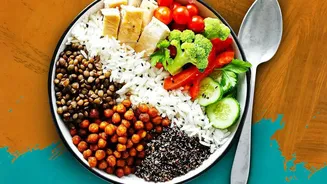
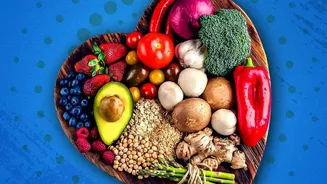
So, how can you incorporate more of these brain-boosting nutrients into your diet? The good news is that many are already part of a traditional Indian diet and can be easily added. For probiotics, look to fermented foods. Plain dahi (yogurt) and kefir are excellent sources. Fermented foods like idli, dosa, and dhokla also contribute beneficial bacteria. For a wider variety, you can explore options like kimchi (spicy fermented cabbage) and kombucha (fermented tea). For fermentable fiber (prebiotics), focus on a variety of plant-based foods. Onions, garlic, and bananas (especially when slightly green) are fantastic sources. Other great options include whole grains like oats, legumes like lentils and chickpeas, and vegetables like asparagus. The key is to consume a diverse range of these foods to nourish an equally diverse microbiome.