



Analyse Your Destination First
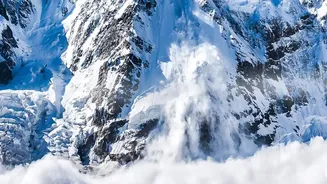
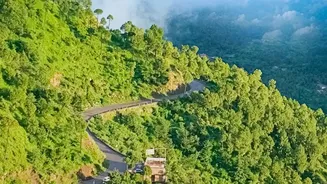
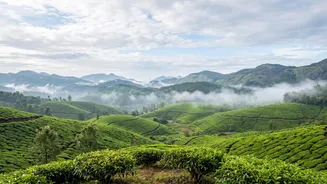
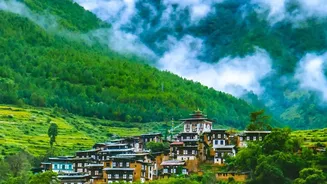
Before you even think about booking, do a health check on your chosen destination. Some hill stations are more vulnerable to monsoon fury than others. Regions in Himachal Pradesh, Uttarakhand, Sikkim, and parts of the Western Ghats like Munnar and Wayanad
are frequently flagged for landslide risks, particularly during the peak months of July and August. Check recent news and official advisories from the local disaster management authority or weather department. Social media groups and forums can offer on-the-ground reports from recent travellers, but always verify this information with official sources. If a region has a history of road closures or severe weather events during the monsoon, it might be wise to consider a safer alternative or postpone your trip.
The Pre-Trip Vehicle Inspection
Your car is your first line of defence on treacherous mountain roads. A thorough pre-trip check is non-negotiable. Pay special attention to your tyres; they are your only contact with the slippery asphalt. Ensure they have a tread depth of at least 3mm to effectively channel water and prevent skidding. Check the pressure on all five tyres, including the spare. Next, inspect your brakes. If you hear any squeaking noises or feel the car pulling to one side, get them checked by a professional. Your visibility systems are just as critical. Test your wipers to ensure they clear the windshield without leaving streaks. Also, check all your lights—headlights, tail-lamps, fog lamps, and indicators—to ensure you can see and be seen in heavy rain or fog. Finally, look under the hood. Top up essential fluids like engine oil, coolant, and brake fluid to prevent overheating or mechanical failures during slow, uphill climbs.
Booking Smart: Scrutinise Your Stay
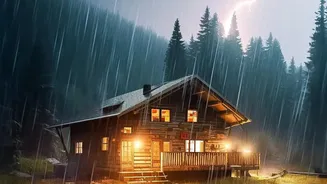
Your hotel or homestay is your safe haven during a downpour, so choose it wisely. Before you book, call the property and ask some critical questions. First, inquire about the property's accessibility during heavy rains. Is the access road paved and well-maintained, or is it a dirt track that could get washed out? Ask about their power backup situation, as electricity can be unreliable during storms. Find out about their emergency preparedness. Do they have first-aid kits and contacts for local emergency services? It is also wise to understand their cancellation policy. Opt for properties with flexible booking terms in case weather advisories force you to change your plans at the last minute. Reading recent guest reviews from the monsoon season can provide invaluable insight into how the property copes with weather-related challenges.
Plan Your Route with Caution
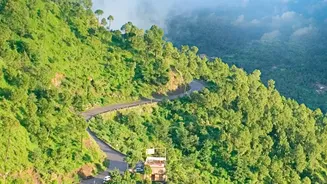
Relying solely on a map app is a mistake during the monsoon. Plan your primary route but also identify at least one alternative. Check for real-time road status updates from local police or transport departments. Heavy rainfall can trigger landslides or flash floods, leading to sudden road closures. A crucial rule for monsoon hill driving is to avoid travelling at night. Rain, fog, and the risk of unseen debris on the road make it extremely hazardous. Always build buffer days into your itinerary to account for potential delays. If the weather deteriorates significantly while you are driving, the safest thing to do is to pull over at a safe spot and wait for conditions to improve. A delayed journey is always better than a risky one.
Pack for Preparedness
Your packing list for a monsoon hill trip goes beyond regular clothing. Prioritise quick-drying synthetic fabrics over cotton, as they are lighter and dry faster. A reliable raincoat and waterproof footwear are essential. Your emergency kit should include a powerful flashlight, a fully charged power bank, and a comprehensive first-aid kit with your personal medications. It's also a good idea to carry non-perishable snacks and a supply of drinking water, in case you get stranded due to a road closure. Keep all your electronic gadgets and important documents in waterproof bags or pouches to protect them from moisture. A little preparation in your packing can make a huge difference in your comfort and safety.