



The Tiffin We Know and Love
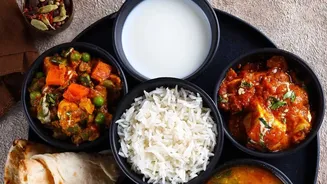
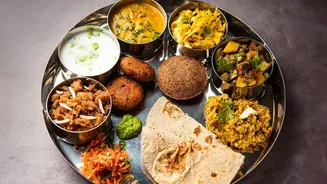
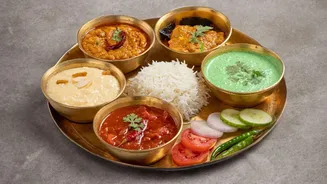
For generations, the Indian lunch box—or tiffin—has been a cultural icon. Traditionally, this meant a stack of round, stainless-steel containers, each holding a different component of a hearty meal. The bottom tier might hold rice, the one above it dal
or sambar, another a dry vegetable sabzi, and the top one carefully folded rotis. This system, made famous by Mumbai's dabbawalas, was designed to transport a complete, warm, home-cooked meal from kitchen to office or school, a tangible connection to home in the middle of a busy day. The focus was on wholesome, satisfying food, with the structure serving primarily to keep wet and dry dishes separate.
A New Structure Emerges
Lately, a shift has been occurring. While the stainless-steel dabba remains a staple, the philosophy of packing it is changing. The new approach is less about simply separating courses and more about intentional structure, often inspired by the Japanese bento box. This means a move towards compartmentalised containers that encourage a more mindful composition of the meal. Instead of just stacking, packers are now thinking in quadrants and sections, creating a visual and nutritional balance within a single box. This modern tiffin might have one large section for a main dish, and several smaller ones for a salad, a fruit, some sprouts, or a healthy snack.
Why the Change? Health Meets Convenience
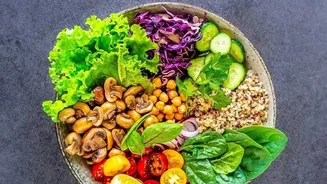
This evolution is driven by a growing awareness of health and wellness. The structured format makes portion control intuitive. Many are adopting the simple “½, ¼, ¼” rule: filling half the lunch box with vegetables and fruits, a quarter with protein, and the final quarter with whole grains. This method helps in creating a balanced meal without the need for complex calorie counting. It caters to a modern desire for meals that are not just comforting but also aligned with fitness goals. Furthermore, for busy parents and professionals, this compartmentalised approach simplifies morning routines. Having dedicated spots for grains, proteins, and veggies provides a clear, quick framework for assembling a healthy lunch.
Familiar Flavours, Modern Form
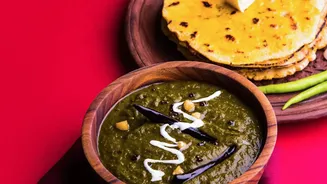
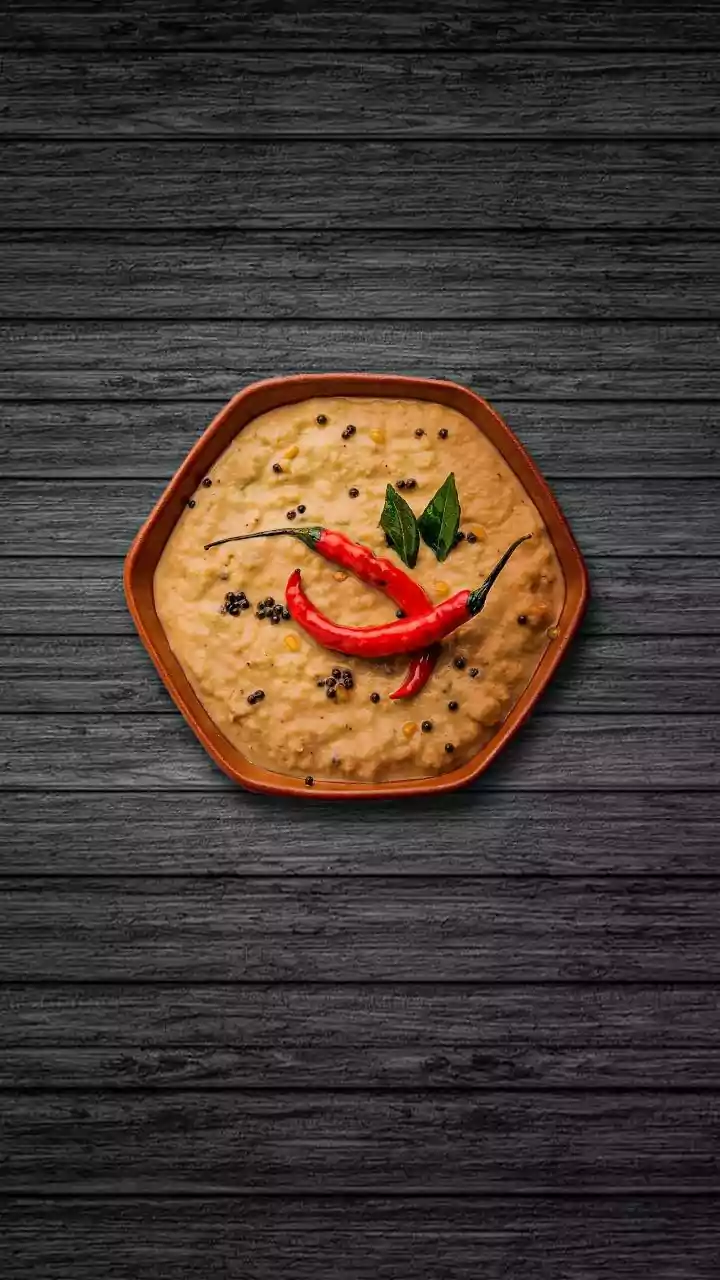
Crucially, this new structure doesn’t mean abandoning traditional Indian cuisine. It’s about adaptation, not replacement. Your favourite rajma or chana masala still takes centre stage, but now it’s packed next to a portion of quinoa or brown rice instead of being mixed together. A paneer tikka bento might feature skewers in the main compartment, with a side of mint chutney, a small cucumber-tomato salad, and a few pieces of fruit in the others. A roti can be transformed into a neat wrap filled with a dry sabzi, making it easier to eat on the go. Even a classic South Indian meal can be deconstructed into a bento-style box with mini dosas, a scoop of lemon rice, and separate containers for chutney and sambar. The flavours remain authentically Indian; only the presentation has been updated for a new generation.
More Than Just a Box
The tiffin has always been more than a container; it's a vessel of care and connection. The modern, structured lunch box is simply the next chapter in that story. It reflects a contemporary understanding of nutrition and a desire for organisation in our fast-paced lives. It proves that the warmth of a home-cooked meal and the principles of healthy eating can coexist beautifully. By embracing this new structure, we are not losing a tradition but enriching it, ensuring that the beloved Indian dabba continues to be a relevant and cherished part of our daily lives, nourishing us in more ways than one.