




Choosing between fresh fruits can feel like a delicious dilemma. In the battle of pineapple versus pear, the winner isn't so clear-cut. The best choice depends not just on the fruit itself, but on ripeness, portion size, and your own health goals.
The Tropical Punch of Pineapple
Pineapple
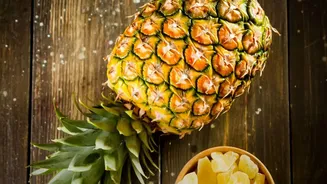
is a nutritional powerhouse, best known for its incredible concentration of Vitamin C. Just one cup of pineapple chunks can provide nearly a full day's recommended intake, which is essential for a healthy immune system and skin health. It's also a fantastic source of manganese, a mineral crucial for bone health and metabolism. But pineapple's real claim to fame is bromelain, a unique mixture of enzymes. Found in fresh pineapple, bromelain is celebrated for its anti-inflammatory properties and its ability to aid digestion by breaking down proteins. Some studies suggest bromelain can help reduce swelling and speed up recovery after exercise or surgery.
The Gentle Power of the Pear
Often overlooked, the humble pear is a formidable contender, especially when it comes to fibre. A single medium-sized pear contains about 6 grams of dietary fibre, which is roughly 20-24% of your daily requirement. Much of this is soluble fibre in the form of pectin, which supports digestive health by promoting regularity and feeding beneficial gut bacteria. This high fibre content also helps you feel full longer and slows the absorption of sugar, which is great for managing blood sugar levels. Pears have a low glycemic index, meaning they cause a slower, more gradual rise in blood sugar compared to many other fruits. They also provide a good dose of vitamin K, copper, and potassium.
Does Ripeness Change the Game?
Ripeness plays a crucial role in the nutritional profile and taste of both fruits. As a fruit ripens, its complex starches break down into simple sugars like fructose and glucose. This is why a ripe, yellow pineapple or a soft, juicy pear tastes much sweeter than its unripe, green counterpart. While this makes the fruit more palatable, it also increases the sugar content and can raise its glycemic index. For example, a green-tipped banana has a significantly lower glycemic index than a brown-spotted one. However, ripeness isn't all bad news. For some fruits, antioxidant levels can increase during the ripening process, and vitamin content may also peak. The key is balance; a perfectly ripe fruit offers the best flavour and a wealth of nutrients, but an overripe one is essentially a sugar bomb.
Portion Size Is Everything
While fruit is undeniably healthy, moderation is essential. A standard portion of fruit is typically around 80 to 150 grams. For pineapple, this translates to about one large slice or a cup of chunks. For pear, it's one medium-sized fruit. Eating more than the recommended portion in one sitting can lead to a significant intake of sugar and calories. Even though the sugar in fruit is natural, consuming it in large quantities can still lead to blood sugar spikes, especially for individuals with diabetes or insulin resistance. To mitigate this, it's wise to pair fruit with a source of protein or healthy fat, such as a handful of nuts or a scoop of Greek yogurt. This combination helps slow down the absorption of sugar and keeps you feeling satisfied.
HeadtoHead : A Quick Comparison
When placed sidebyside per 100 grams , the differences become clear . Pineapple is a vitamin C champion , offering about ten times more than a pear . It also provides more of several B vitamins and the mineral manganese . On the other hand , a pear contains more than double the dietary fibre of pineapple . Calorie and total sugar content are quite similar for both fruits in their fresh form . A key differentiator is their impact on blood sugar ; pineapple has a medium glycemic index (around 59–66) , while pear has a low glycemic index (around 38) , making the pear a gentler option for blood sugar management .