






The Monsoon Challenge for Balcony Gardens
The Indian monsoon brings life-giving water, but for the compact, container-bound world of a balcony garden, it can be overwhelming. Heavy downpours can physically damage delicate leaves and flowers, wash away precious soil and nutrients, and, most critically,
lead to waterlogged pots. When water cannot drain away, it suffocates plant roots, leading to root rot, fungal diseases, and the swift decline of even the hardiest plants. This is a common frustration for urban gardeners who have limited space and cannot simply move their entire garden indoors.
Enter the Modular Rain Cover
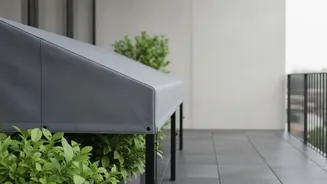
Unlike a simple, bulky tarpaulin sheet which can be difficult to manage and may block essential light, modular rain covers are designed for adaptability and ease. Think of them as mini, customizable greenhouses or shelters for your pots. These systems are typically composed of a lightweight frame—often made from PVC pipes or thin metal rods—and a transparent or translucent covering. The 'modular' aspect means you can often assemble them in different shapes and sizes to fit your specific balcony layout, protecting individual plants or small groups of pots as needed.
Key Benefits for Small Urban Spaces
The primary advantage of these covers is targeted protection. You can shield your delicate flowering annuals or vegetable seedlings from the direct force of the rain without covering your entire balcony. Being lightweight, they are easy to assemble, reposition, and store when the monsoon passes, a crucial feature for apartment living where storage space is at a premium. The transparent material, often clear PVC or polyethylene, ensures that your plants continue to receive adequate sunlight, preventing the legginess and weakness that can occur from being kept in the dark. Furthermore, they can shield plants from strong winds that often accompany monsoon storms.
What to Look for When Choosing a Cover
When shopping for a modular rain cover, consider a few key factors. Check the material of the covering; UV-resistant options will last longer and won't turn yellow or brittle in the sun. The frame should be sturdy enough to withstand wind but light enough for you to handle easily. Good ventilation is also important. Some covers come with zippered flaps or vents that you can open during breaks in the rain to improve air circulation and prevent heat and humidity from building up, which could otherwise encourage fungal growth. Finally, measure your space and your pots to ensure the dimensions of the cover will work for your setup.
Installation and Best Practices
Installation is usually straightforward, often involving connecting rods and draping the cover over them. The most important step is to ensure the structure is secure. Use weights, clamps, or ties to anchor the frame to your balcony railing or wall, preventing it from becoming a casualty of a strong gust of wind. It’s a good practice to remove or open the covers on sunny days to give your plants a dose of fresh air and direct light. Always monitor your plants for any signs of pests or disease, as the humid environment under a cover can sometimes encourage them.
A Word on DIY Alternatives
For those on a budget or with a flair for creativity, a DIY version can be an effective alternative. You can construct a simple frame using PVC pipes and connectors from a hardware store. For the covering, a clear shower curtain, a heavy-gauge transparent plastic sheet, or even old plastic trays can be repurposed. The principles remain the same: provide a barrier against the worst of the rain while allowing light to pass through. The key is to ensure your homemade solution is secure and doesn't trap too much humidity.