








A Cautious Approach to Celebrations
This year, the usual festive frenzy in India's cities is being tempered by a significant shift in consumer behaviour. According to a recent survey by LocalCircles, total festive spending by urban households is projected to see a 6% decline, falling to ₹1.97
lakh crore from ₹2.10 lakh crore in 2025. This dip comes after a strong 14% increase in spending last year, which was partly fueled by GST rate cuts. With 31% of urban households planning no discretionary purchases at all this season, it’s clear that a mood of financial prudence has set in. Even among those who are opening their wallets, the average spend is expected to be around ₹20,000, with a clear preference for value over volume.
Economic Headwinds and Household Budgets
Several economic factors are driving this cautious mindset. Rising inflation is a primary concern, with retail inflation climbing to 5.54% in September 2026. This has been compounded by an increase in the RBI's repo rate to 5.50% in October, making borrowing more expensive for consumers and businesses alike. The result is a palpable sense of uncertainty. The RBI's own consumer confidence surveys reflect this mood, with its Current Situation Index falling in recent months as households report a worsening of general economic conditions. Many families are consequently turning to their savings to fund their festive shopping, with 83% of those planning to spend saying they will dip into their savings to some extent.
Where the Money Is (and Isn't) Going
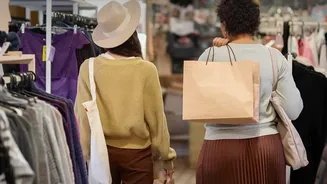
While the overall mood is one of saving, spending hasn't stopped entirely—it's just become more focused. Consumers are channelling their funds towards essentials and value-driven purchases. Clothing, footwear, and accessories remain the top category, with 72% of shoppers planning to buy these items. However, there's a clear trend towards practicality. E-commerce platforms have seen a 31% surge in order volumes, driven not by luxury goods, but by everyday essentials. Fast-moving consumer goods (FMCG) saw a staggering 190% increase in volume, followed by beauty products at 69%. In a significant trend, while total transaction values rose, the average order value actually dropped by 10%, indicating that people are making smaller, more frequent purchases. High-value items like jewellery feature in only 6% of shopping lists.
The Rise of the Deliberate Shopper
This festive season marks the consolidation of the 'deliberate shopper'. Nine out of ten consumers are conducting extensive online research before making a purchase, comparing prices, checking reviews, and discovering new brands. Shoppers are spending with clear intent, not abandon, and plan to increase spending in just 1.3 categories on average. This behaviour is particularly visible in the growth of quick commerce, which has seen order volumes jump by 85%. This indicates a demand for convenience and speed, but for more essential or smaller-ticket items. Retailers are adapting to this new reality. Instead of relying solely on deep discounts, brands are using customer data to offer personalised deals and build long-term relationships, recognising that value and relevance now play as important a role as price.
A Shift Beyond the Metros
Another defining trend of the 2026 festive season is the growing purchasing power of smaller towns. Tier-3 towns alone generated 42% of all e-commerce orders in the first week of sales, with Tier-2 and Tier-3 markets together comprising nearly two-thirds of total demand. This geographical shift shows that while urban sentiment in major metros might be subdued, consumption is growing rapidly in other parts of the country. This highlights a broader economic story where growth is becoming more distributed, moving beyond the traditional top-tier cities. For retailers and brands, this means rethinking their strategies to cater to a more diverse and value-conscious consumer base across the nation.