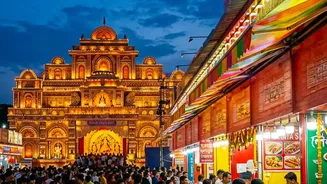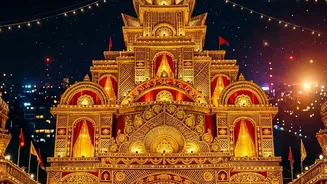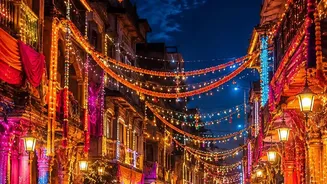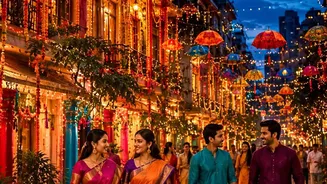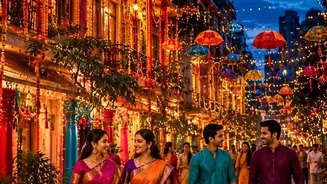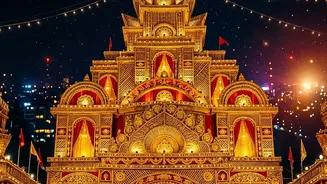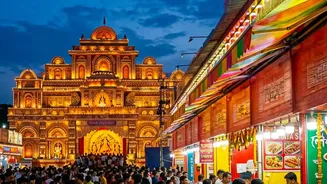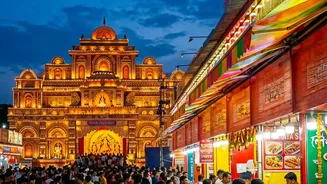




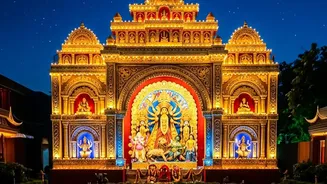
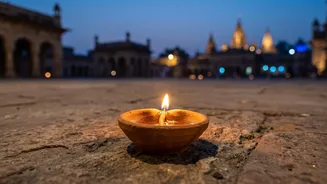
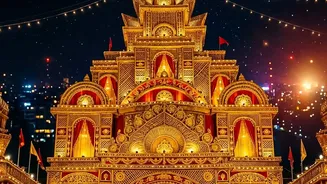
Every year, the ancient city of Ayodhya transforms into a celestial spectacle, its riverbanks glittering with millions of earthen lamps. This is Deepotsav, a festival that has grown from a regional observance into a global travel phenomenon.
The Meaning of Deepotsav
Deepotsav,
or the 'festival of lamps', commemorates the joyous return of Lord Ram, Sita, and Lakshman to Ayodhya after 14 years of exile and victory over Ravana, as narrated in the Ramayana. While Diwali is celebrated across India, Ayodhya's observance is unique because it is the very place where the story originated. The modern, large-scale event was initiated by the Uttar Pradesh government in 2017 and has since grown exponentially, turning the city into a beacon of faith and culture that draws visitors from around the world.
A Spectacle of Light and Records
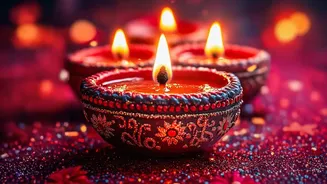
The centerpiece of Deepotsav is the breathtaking display at Ram Ki Paidi, a series of ghats on the banks of the Saryu River. Volunteers and students meticulously arrange millions of earthen lamps, or diyas, creating a shimmering river of light. The event has become famous for setting Guinness World Records for the largest display of oil lamps year after year. The 2026 edition aimed to light over 30 lakh (3 million) diyas across 56 ghats. The celebrations are not limited to lamps; they include grand cultural performances, Ramlila stagings by international troupes, devotional music, laser shows, and spectacular drone formations depicting scenes from the Ramayana.
When to Plan Your Visit
The Deepotsav dates are linked to the Hindu festival of Diwali, which falls on the new moon day of the Kartik month. The main Deepotsav event is typically scheduled for the day before Diwali, known as Choti Diwali. For 2026, the main lamp-lighting event was scheduled for November 7, with Diwali falling on November 8. The festivities, however, span several days, with cultural programs and processions beginning earlier. Travellers should always confirm the final schedule with official sources like Uttar Pradesh Tourism, as dates can be subject to minor changes.
Booking Travel and Accommodation
Due to its immense popularity, planning a trip to Ayodhya for Deepotsav requires booking months in advance. Flights to the newly opened Maharshi Valmiki International Airport in Ayodhya, or nearby airports in Lucknow and Varanasi, fill up quickly. Similarly, trains to Ayodhya Dham Junction and Ayodhya Cantt stations should be booked as soon as reservations open. Hotels, guesthouses, and homestays within Ayodhya are in extremely high demand and are often sold out. It is wise to consider staying in the nearby city of Faizabad or even Lucknow and travelling to Ayodhya for the main event day.
Navigating Ayodhya During the Festival
Expect massive crowds and significant security arrangements during Deepotsav. Many roads leading to the ghats and major temples are pedestrianised, so be prepared for a lot of walking. E-rickshaws are a common mode of transport for shorter distances. The best viewing spots for the lamp lighting at Ram Ki Paidi are often ticketed or reserved, with other areas designated for the general public. Arriving at viewing points several hours early is essential to secure a good spot. Police and event volunteers are deployed to manage the flow of people, and visitors should follow their instructions for a safe experience.
Beyond the Diyas: Other Must-See Sites
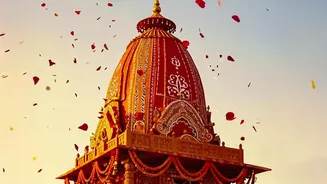
While Deepotsav is the main draw, your visit is incomplete without exploring Ayodhya's sacred sites. The top of any list is the Ram Janmabhoomi Mandir, the magnificent temple dedicated to Lord Ram. Plan your darshan for a separate time than the evening Deepotsav events, as queues can be long. Other important temples to visit include Hanuman Garhi, a temple dedicated to Lord Hanuman that is traditionally visited before the Ram Mandir, and Kanak Bhawan, believed to be a palace gifted to Sita by Kaikeyi. These sites will also be beautifully decorated, adding to the city’s festive spirit.