
Why a Monsoon Safari is Special
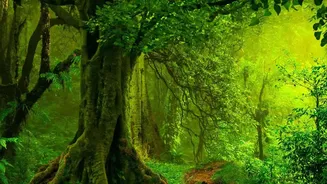
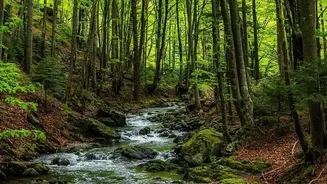
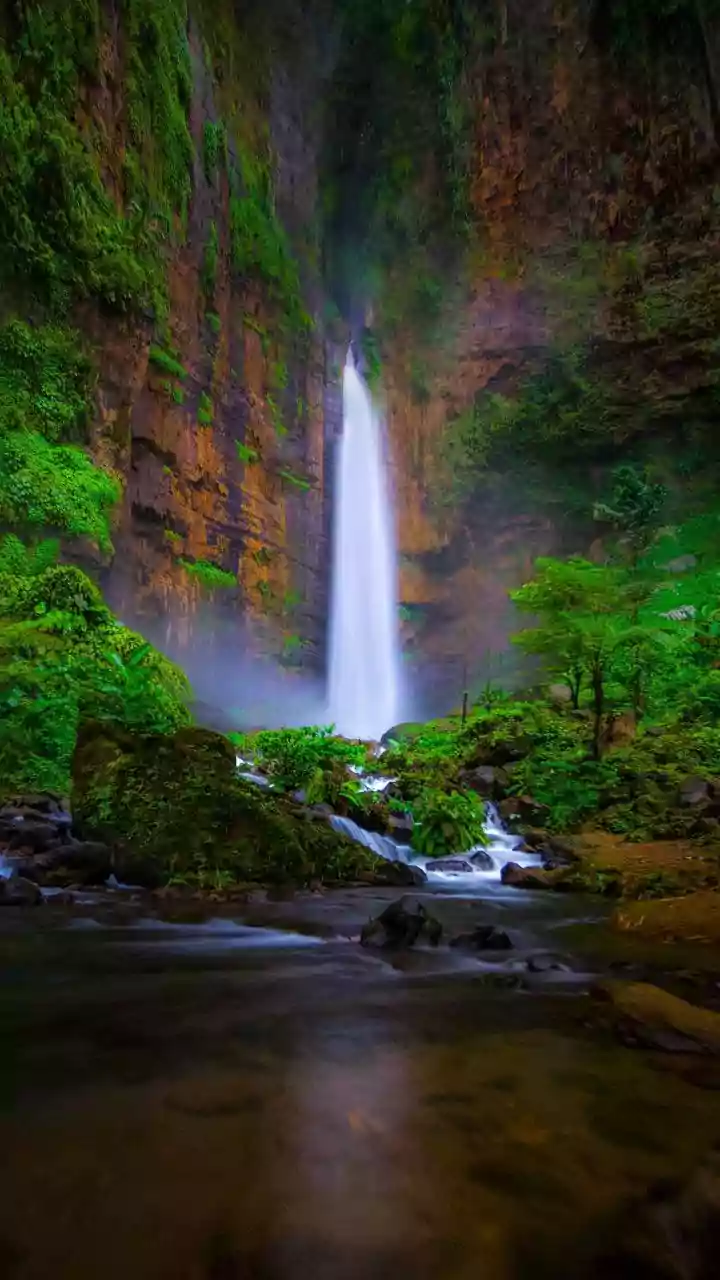
A safari during the monsoon is a completely different experience. The forests transform into a lush, emerald paradise, with overflowing lakes and dramatic, cloudy skies. The air is fresh, the dust is settled, and the sounds of the jungle are amplified.
Because it’s considered the off-season, you’ll encounter fewer crowds, making the experience more intimate and serene. For photographers, the soft, diffused light and vibrant green backdrop create stunning opportunities for dramatic wildlife shots. Animals are often more active during the cooler daytime hours, and the rain brings out a host of amphibians and rare insects.
Periyar National Park, Kerala
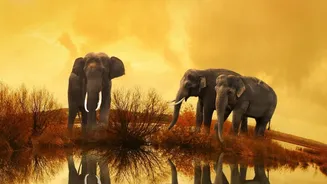
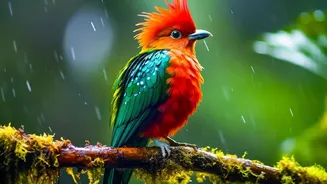
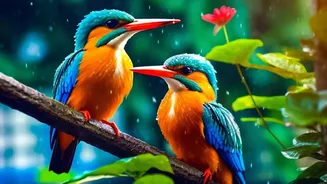
Nestled in the Western Ghats, Periyar is arguably one of the best destinations for a monsoon safari because its main attraction, a boat safari on the vast Periyar Lake, runs year-round. The rains breathe life into the surrounding hills, creating a misty, magical landscape. From the boat, you have a high chance of spotting large herds of elephants bathing and playing by the water's edge. Besides elephants, you can see gaur (Indian bison), sambar deer, and a rich variety of birdlife, including kingfishers and the great Malabar hornbill. The park is also home to tigers and the elusive Nilgiri tahr, though sightings are less common.
Tadoba-Andhari Tiger Reserve, Maharashtra
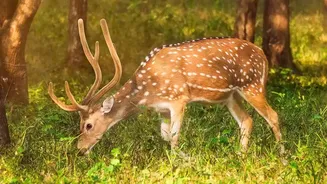
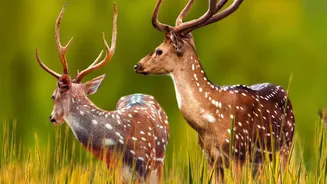
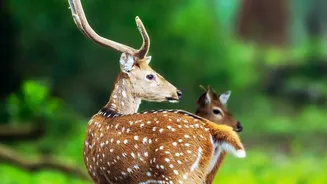
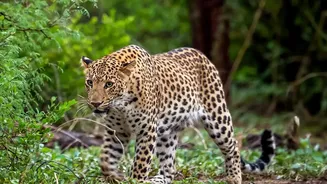
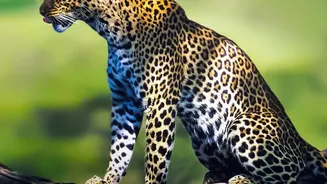
While most of India's premier tiger reserves shut their core zones during the monsoon, Tadoba-Andhari keeps several of its buffer zones open, making it a top choice for big cat enthusiasts. Gates like Junona, Agarzari, and Kolara provide access to the forest. The dense greenery offers a stunning contrast for spotting the reserve's famous tigers, who are often seen using the clearer safari tracks to avoid the wet undergrowth. This high-density tiger reserve also provides opportunities to see leopards, sloth bears, wild dogs, and spotted deer against a vibrant monsoon canvas. Booking safaris in advance is essential as only a limited number of vehicles are permitted.
Jim Corbett National Park, Uttarakhand
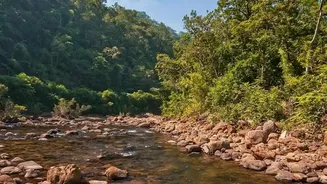
As India's oldest national park, Jim Corbett has a well-managed approach to monsoon tourism. While its famous core zones like Dhikala and Bijrani close, several buffer zones, including Jhirna, Dhela, and Sitabani, remain accessible for jeep safaris. These areas offer a rewarding experience with lush Sal forests and overflowing streams. The monsoon is a fantastic time for birdwatching, and you still have a fair chance of spotting elephants, deer, and even the occasional tiger or leopard. For those seeking adventure, some operators even offer river rafting on the Kosi River during this season, adding another dimension to your trip.
Kabini & Nagarhole National Park, Karnataka
Part of the Nilgiri Biosphere Reserve, Nagarhole (often accessed via the Kabini region) remains open for safaris year-round, weather permitting. The monsoon replenishes the Kabini backwaters, making boat safaris particularly rewarding. It's a prime location for watching large herds of elephants gathering along the banks, often seen swimming across the water. The lush landscape also makes it easier to spot other wildlife like gaur, spotted deer, and a variety of birds. While tiger and leopard sightings are possible, the main draw here is the magnificent elephant spectacle set against the rain-freshened forest.
Essential Tips for Your Monsoon Adventure
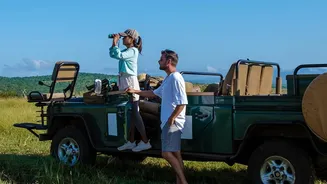
A monsoon safari requires a little extra preparation. Pack waterproof jackets and ponchos, as umbrellas are impractical in a safari jeep. Protect your camera and electronic gear with waterproof bags and lens hoods. Wear sturdy, waterproof footwear and leech-proof socks, especially if you plan on nature walks. Insect repellent is a must. Most importantly, check the current status and safari timings with the park authorities before you travel, as heavy rainfall can sometimes lead to temporary closures of certain routes. Always book your safaris and accommodations well in advance, even in the 'off-season,' as slots can be limited.