

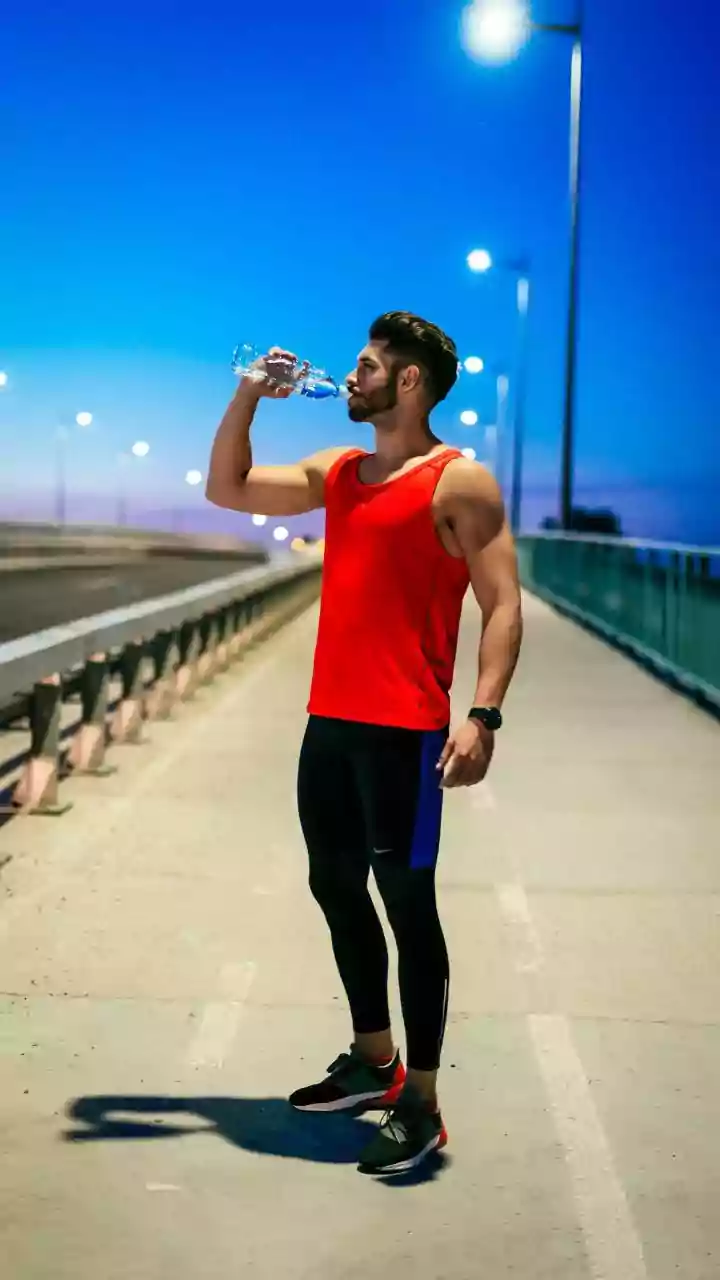





The Monsoon Workout Challenge
Working out during the Indian monsoon presents a unique set of challenges. The air is thick with moisture, making it feel heavy and hard to breathe. As soon as you start your workout, you're drenched in sweat, but you don't feel any cooler. This is because
high humidity, often climbing above 60-70%, severely hampers your body's natural cooling mechanism: sweat evaporation. When sweat can't evaporate off your skin, your internal body temperature rises faster, your heart rate climbs, and the entire session feels significantly more exhausting. This constant state of profuse sweating doesn't just drain your energy; it also depletes your body of essential fluids and minerals at an accelerated rate.
Meet Magnesium: Your Body's Unsung Hero
While we often focus on water and electrolytes like sodium and potassium, another crucial mineral is often overlooked: magnesium. This powerhouse mineral is a cofactor in over 300 enzymatic reactions in the body. For anyone who is physically active, its role is paramount. Magnesium is essential for energy production, regulating muscle and nerve function, and even synthesising protein, which is critical for muscle repair and growth after a strenuous workout. It acts as a natural counterpart to calcium; while calcium helps your muscles contract, magnesium is what allows them to relax. Without enough of it, you're setting yourself up for a less-than-optimal recovery.
Humidity, Sweat, and Vanishing Magnesium
Here's where the monsoon humidity and magnesium intersect. The more you sweat, the more magnesium you lose. During an intense workout in hot, humid conditions, an athlete can lose a significant amount of fluids and electrolytes, including magnesium, through sweat. This loss is magnified during the monsoon because your body sweats even more in a desperate attempt to cool down, even though the cooling effect is minimal. This depletion can lead to a host of issues that hinder your fitness goals, including persistent muscle soreness, cramps, spasms, and a general feeling of fatigue that lingers long after you’ve left the gym.
Are You Running Low? Signs to Watch For
A marginal magnesium deficiency can be subtle, but it can significantly impact your performance and recovery. If you're a regular at the gym, some signs you might be running low on this vital mineral include unexplained muscle twitches or cramps, especially at night. You might also experience prolonged muscle soreness that doesn't seem to improve, a feeling of weakness, or even poor sleep quality. Since deep sleep is when your body does most of its muscle repair, a lack of magnesium can create a vicious cycle of poor recovery.
Replenish Through Your Diet
The good news is that you can effectively replenish your magnesium levels through your diet. Fortunately, many magnesium-rich foods are readily available in Indian kitchens and markets. Incorporate plenty of dark leafy greens like spinach (palak), nuts and seeds like almonds (badam), cashews (kaju), and pumpkin seeds. Legumes such as lentils (dal) and chickpeas (chana) are also excellent sources. Don't forget about whole grains, bananas, and dark chocolate. Making a conscious effort to include these foods in your daily meals, especially on workout days, can make a noticeable difference in how your body feels and recovers during the humid season.
A Word on Supplements
While a food-first approach is always best, sometimes supplementation can be beneficial, particularly for serious athletes or those with a diagnosed deficiency. Magnesium supplements come in various forms, including tablets, powders, and even topical sprays. Options like magnesium glycinate are often recommended as they are gentle on the stomach and promote relaxation. However, it is crucial to approach supplements with caution. Taking too much can lead to digestive issues. Always consult with a doctor or a qualified nutritionist before adding any new supplement to your routine. They can help you determine if you actually need it and recommend the appropriate type and dosage for your specific needs.