






The Brain's Resilience Fund
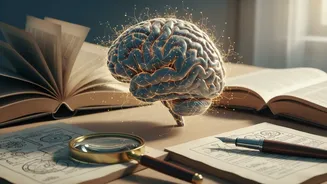
Scientists have a term for the brain's ability to withstand challenges and age-related changes: cognitive reserve. Think of it as a mental backup system or a resilience fund. This reserve isn't something you're simply born with; it's built over a lifetime
through education, curiosity, and engaging experiences. A person with a high cognitive reserve might have the brain capacity to compensate for damage, allowing them to maintain function for longer even if physical changes associated with aging or disease are present. Research has shown that individuals with advanced Alzheimer's disease in their brains sometimes show no symptoms during their life, a phenomenon credited to their deep cognitive reserve.
The Power of Neuroplasticity
Building this reserve relies on a remarkable brain feature called neuroplasticity. This is the brain's ability to reorganize itself by forming new neural connections throughout life. Every time you learn a new skill, encounter a new idea, or challenge your brain, you are encouraging the formation of new pathways. These new connections strengthen your brain's networks, making it more flexible and efficient. This process is the very foundation of learning and memory. It is neuroplasticity that allows the brain to adapt, heal, and enhance its own capabilities in response to stimulation.
What Does 'Active Mind' Really Mean?
Keeping the mind active is about more than just doing daily crossword puzzles, though they can be part of the picture. True cognitive engagement involves activities that are challenging and require you to learn something new. Passive activities like watching television have been shown to be less effective than active, engaging pursuits. The key is to choose activities that are enjoyable but also require some effort, pushing your brain out of its comfort zone. Once an activity becomes routine and easy, the benefit diminishes; the greatest gains come from continuous learning and novelty.
Brain-Boosting Activities to Try
A wide range of hobbies can help build your cognitive reserve. Learning a new language, picking up a musical instrument, or taking a class on an unfamiliar subject are excellent examples. Engaging in strategy games like chess or even certain board and card games has been linked to a reduced risk of cognitive decline. Reading books, engaging in group discussions, and creative pursuits like painting or dancing also contribute to mental stimulation. The goal is to create a rich and varied mental life, rather than relying on a single type of puzzle or game.
A Holistic Approach to Brain Health
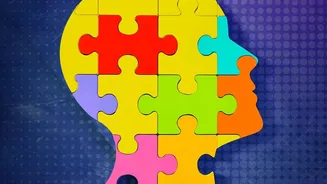
While mental stimulation is crucial, it's just one piece of a larger puzzle. A holistic approach that includes physical activity, social connection, and proper nutrition offers the most powerful protection for your brain. Regular exercise increases blood flow to the brain and has been shown to improve memory and mood. Meaningful social connections are also vital, as isolation is a significant risk factor for cognitive decline. Engaging in conversations stimulates multiple areas of the brain, reduces stress, and strengthens neural networks. Studies suggest that combining these healthy habits—staying physically active, eating well, and remaining socially engaged—has a synergistic effect, offering greater benefits for brain health than any single activity alone.