

Diwali, the festival of lights, illuminates every corner of India. But beyond the shared glow of diyas and fireworks lies a fascinating tapestry of regional traditions. Each state adds its own unique flavour, stories, and rituals to the celebration.
West Bengal: The Divine Feminine Power
While
much of India worships Goddess Lakshmi on Diwali, West Bengal, along with neighbouring states like Odisha and Assam, dedicates this time to Kali Puja. The festival, also known as Shyama Puja, is held on the new moon night of the Kartika month. The celebration honours Goddess Kali, a fierce form of Goddess Durga who is believed to destroy all evil. Pandals with elaborate idols of the goddess are erected, and devotees make offerings of red hibiscus flowers, sweets, and sometimes fish and meat. The puja is often performed at midnight, and it's a powerful spectacle of devotion that celebrates divine feminine strength.
Maharashtra: Honouring Cows and Family Bonds
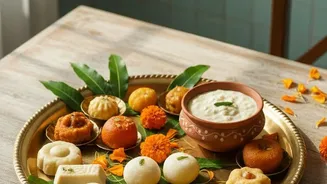
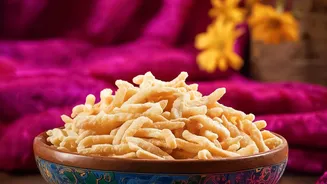
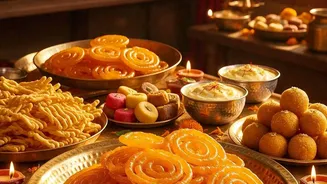
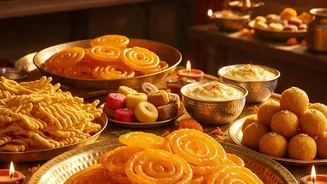
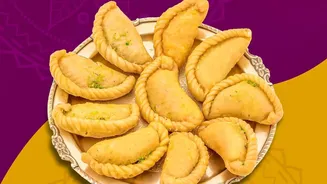
In Maharashtra, Diwali celebrations begin with Vasu Baras, a day dedicated to honouring cows for their role in sustaining livelihoods. Married women perform puja for cows and their calves. A unique ritual called Yamadeepdaan is also observed, where women light flour lamps for the male members of their family, praying to Yama, the god of death, for their longevity. The festival spread, known as 'faral', is a highlight, featuring an array of savoury and sweet snacks like Chakli, Shankar-pale, and Karanji. The festival concludes with Bhau Beej, celebrating the bond between brothers and sisters.
Goa: The Burning of a Demon King
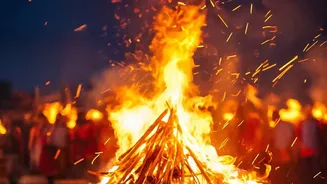
In Goa, the focus of Diwali is on Naraka Chaturdashi, celebrating Lord Krishna's victory over the demon king Narakasura. In the weeks leading up to the festival, towns and villages come alive with competitions to build the most terrifying effigy of Narakasura. These giant figures, made from paper, hay, and bamboo, are paraded through the streets before being burned at dawn. After the effigy is destroyed, people return home for a traditional scented oil bath, known as 'Abhyanga Snan', and eat a variety of flattened rice dishes called 'fov'. This dramatic ritual signifies the triumph of good over evil.
Tamil Nadu: An Early Start and a Medicinal Sweet
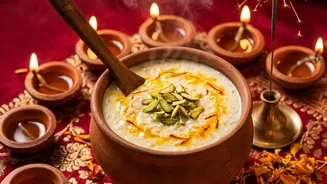
For Tamilians, Deepavali primarily falls on Naraka Chaturdashi, the day before the new moon. The celebration commemorates Lord Krishna’s defeat of the demon Narakasura. The day begins before sunrise with a customary oil bath, which is considered as sacred as taking a dip in the holy Ganges. A unique tradition is the consumption of 'Deepavali Marundhu' or 'Lehiyam', a medicinal paste made with ingredients like dry ginger and jaggery to aid digestion amidst the festive feasting. Families then wear new clothes, burst crackers, and exchange sweets, with Badam Halwa being a regional specialty.
Gujarat: Ringing in the New Year
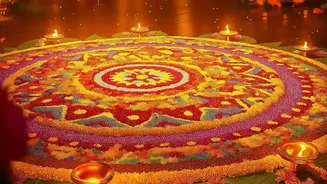
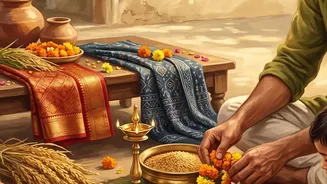
For Gujaratis, Diwali is not just a festival of lights but also the end of the old year and the beginning of a new one. The day after Diwali is celebrated as Bestu Varas, the Gujarati New Year. This is a time for new beginnings, both spiritually and financially. Businesses perform 'Chopda Pujan', a ritual where new account books are worshipped to seek blessings from Goddess Lakshmi for a prosperous year. Homes are decorated with elaborate rangoli, and families visit temples and each other's homes to exchange greetings of 'Saal Mubarak'. The air is filled with joy, forgiveness for past grievances, and hope for the year ahead.
Uttar Pradesh: A Mountain of Gratitude
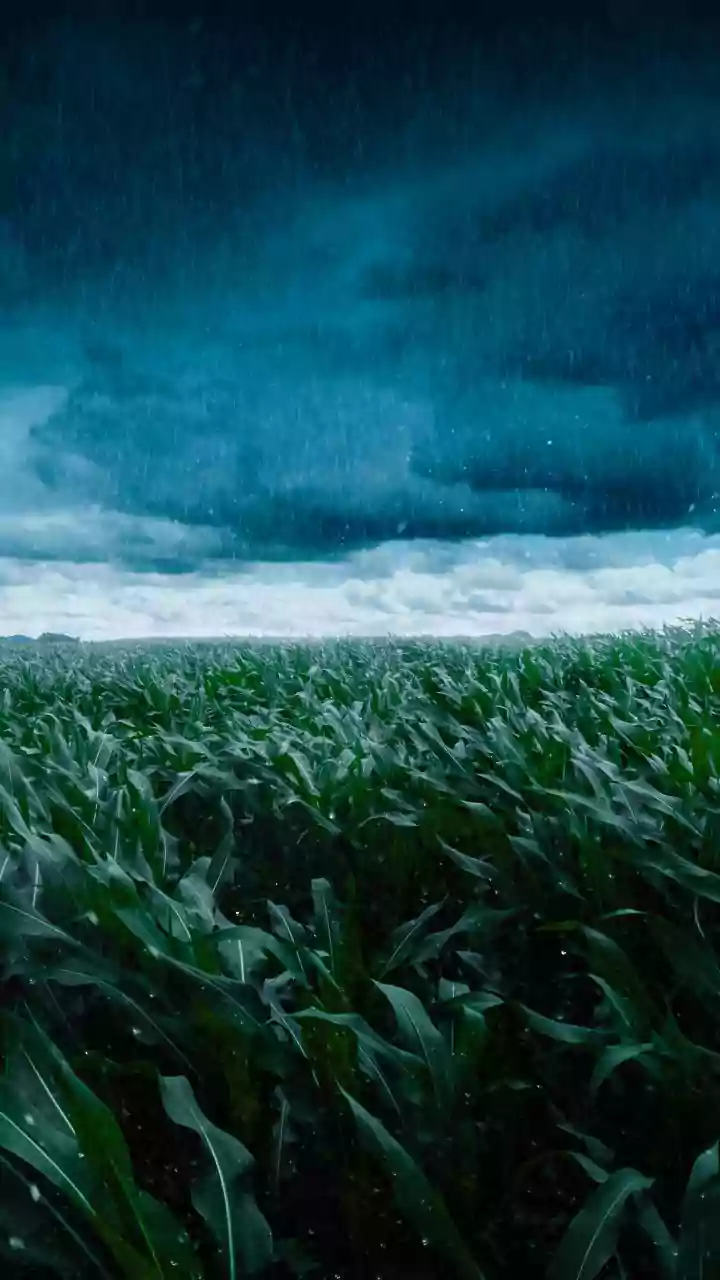
In North India, particularly in the Braj region of Uttar Pradesh, the day after Diwali is celebrated as Govardhan Puja. This festival commemorates the day Lord Krishna lifted the Govardhan Hill to protect the villagers of Vrindavan from torrential rains sent by Lord Indra. Devotees create a symbolic hillock, often made from cow dung or food, and decorate it with flowers. A grand offering of food, known as 'Annakut' (a mountain of food), is prepared and offered to the deity as a mark of gratitude for nature's bounty. This usually includes 56 different vegetarian dishes, called 'Chappan Bhog'.