

The Myth of the 'Standard' Spoon
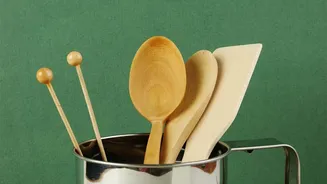
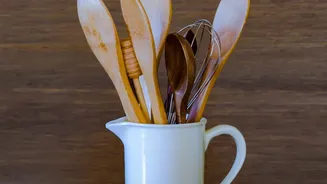
In the world of cutlery, there is no legally defined or universally accepted size for a “teaspoon” or “tablespoon.” The spoon you use for tea or soup is a piece of flatware, designed for eating, not for measurement. A cutlery teaspoon can hold anywhere
from 2.5 to 7 millilitres, depending on its design. A standard measuring teaspoon, however, is precisely 5 ml. Similarly, a dinner-table tablespoon can vary wildly, while a measuring tablespoon is a standardised 15 ml. Using a random spoon from your drawer introduces a significant variable into your cooking, turning a precise recipe into a game of chance. This might be acceptable for a forgiving dal, but for many dishes, that level of uncertainty can be disastrous.
Where Precision Is Non-Negotiable: The Science of Baking
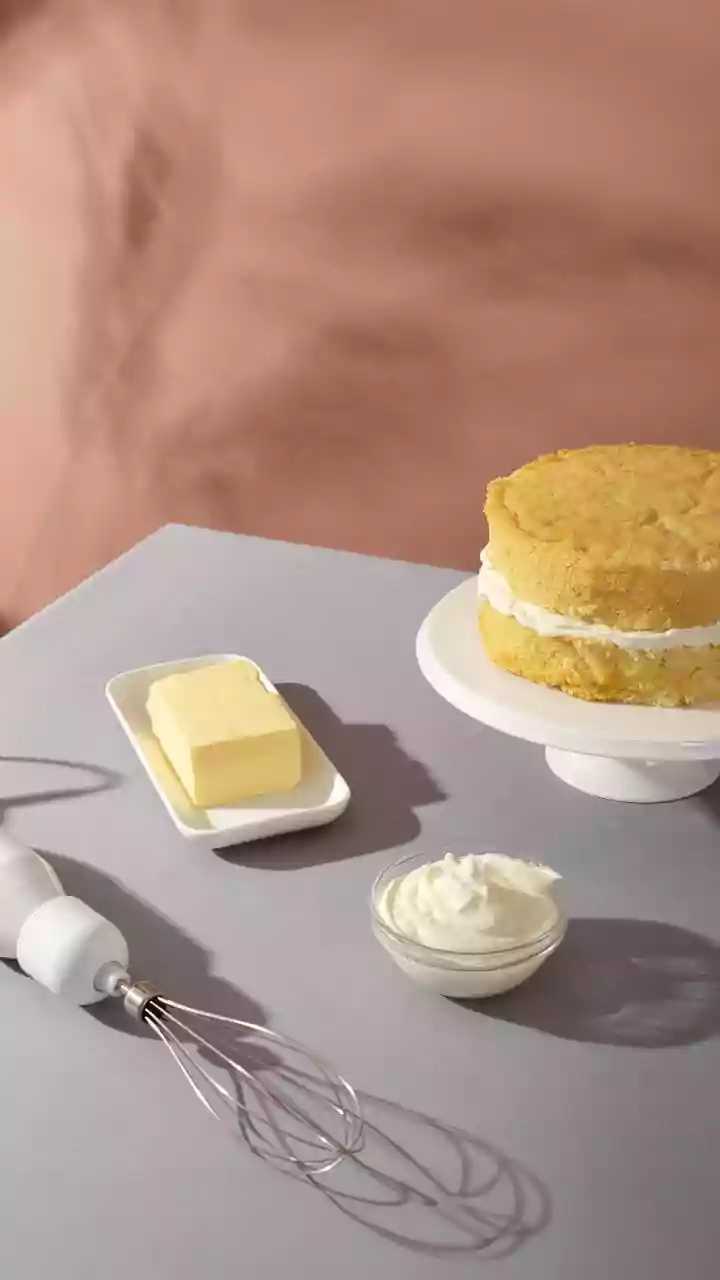
Baking is fundamentally a chemical experiment. Each ingredient has a specific function, and altering the ratios, even slightly, can have dramatic consequences. Leavening agents like baking soda or powder are a perfect example. Too much can cause a cake to rise rapidly and then collapse, or leave a bitter, metallic taste. Too little, and you'll get a dense, heavy result. Flour provides structure, but an extra couple of grams from an inaccurate spoon can make your cookies tough and dry. Sugar does more than sweeten; it tenderizes and adds moisture. Using inconsistent amounts can ruin the texture. Unlike general cooking where you can adjust to taste, in baking, precision is paramount for success.
Choosing Your Toolkit for Accuracy
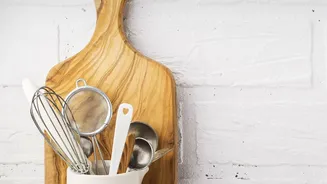
A reliable set of measuring spoons is an inexpensive but essential kitchen tool. When choosing a set, consider the material and design. Stainless steel is a popular choice because it's durable, won't rust, and doesn't absorb odours or stains. Look for sets with measurements engraved or stamped directly into the metal. Printed markings on plastic spoons can fade over time with washing, leaving you guessing again. Another key feature is the shape of the spoon head. While classic round spoons are great for liquids, narrower, rectangular shapes are better for dipping into small spice jars without making a mess. Many modern sets are also magnetic, which keeps them nested neatly together in your drawer.
How to Measure for Perfect Results
Owning a measuring set is the first step; using it correctly is the second. For dry ingredients like flour, spices, or baking powder, the proper technique is to scoop the ingredient until it's overfilled, then use a straight edge—like the back of a knife—to level it off. This removes excess and ensures you have the exact volume. Avoid tapping the spoon or packing the ingredient down, as this can lead to using too much. For liquid ingredients, simply pour until the liquid is level with the spoon's rim. It’s a simple habit that guarantees the consistency that recipes are designed for, giving you predictable and delicious results every time you cook.