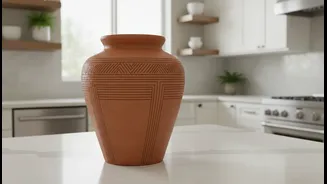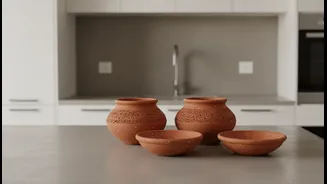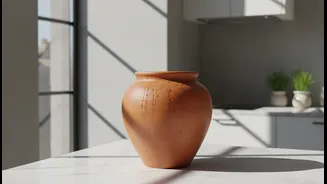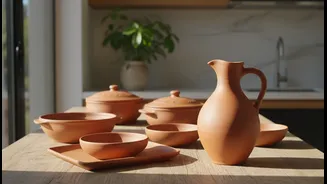



An Ancient Solution for Modern Kitchens
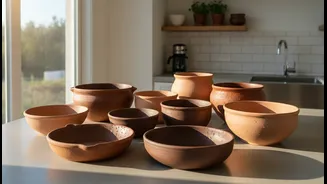
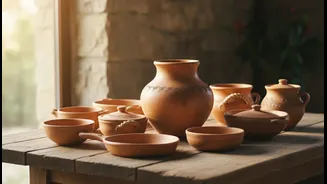
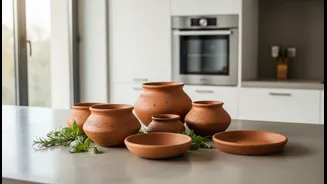
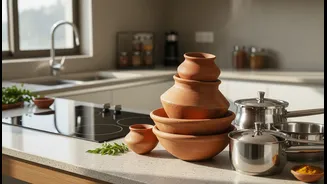
Long before the advent of refrigerators and non-stick pans, Indian kitchens relied on the quiet efficiency of earthenware. Known as 'matka' for water or 'handi' for cooking, these clay vessels were central to culinary traditions for thousands of years,
dating back to the Indus Valley Civilization. This practice wasn't just about utility; it was a holistic approach to food that intertwined taste, health, and sustainability. Today, as urban cooks navigate the challenges of city living, from high temperatures to a desire for healthier, more authentic food, they are rediscovering the profound benefits of this simple, earthy material. This revival isn't just about nostalgia; it’s a conscious choice towards a more mindful and sustainable way of cooking and living.
The Simple Science of Staying Cool
The most celebrated feature of terracotta, especially in India's warm climate, is its natural ability to cool. The magic lies in a simple scientific principle: evaporative cooling. Terracotta pots are porous, meaning they have microscopic holes that allow tiny amounts of water to seep to the outer surface. As this water comes into contact with the warmer ambient air, it evaporates. This process requires energy, which it draws in the form of heat from the water still inside the pot. Consequently, the water remaining inside becomes noticeably cooler than the outside temperature, without using any electricity. This is the same principle that cools our bodies when we sweat, making the humble matka a clever, passive cooling system perfected over centuries.
Beyond Water: A Versatile Kitchen Staple
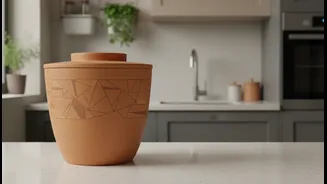
While the matka is the most iconic example, the use of terracotta in the kitchen extends far beyond just storing cool water. One of its most popular applications is for setting curd (dahi). The porous nature of the clay absorbs excess water from the milk, resulting in thicker, creamier curd that is difficult to achieve in steel or plastic containers. The clay also helps maintain an ideal temperature for fermentation, preventing the curd from turning sour too quickly. Furthermore, cooking in terracotta pots offers unique advantages. Clay pots heat slowly and evenly, which helps in retaining the moisture and nutrients in food. This method allows food to cook in its own juices, reducing the need for excess oil and resulting in dishes with a deeper, more robust flavour.
The Modern Appeal: Health, Taste, and Sustainability
The renewed interest in terracotta is driven by several modern-day concerns. Health is a primary factor; unlike some modern cookware, pure clay is natural and non-toxic, with no chemical coatings that can leach into food. Some also believe that the alkaline nature of clay can help balance the pH of acidic foods, making them easier to digest. Taste is another major draw. Home cooks and chefs alike report that food cooked or stored in clay has an enhanced, earthy flavour that can't be replicated. Finally, in an era of environmental consciousness, terracotta is a standout sustainable choice. It is biodegradable, made from the earth, and, when its life is over, it returns to the earth without causing harm.
Bringing Terracotta Home: A Practical Guide
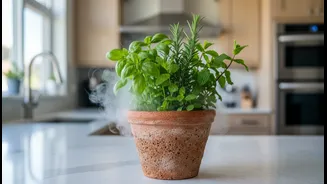
Adopting terracotta is simple, but a few tips can ensure longevity and the best results. Before first use, it's crucial to season a new pot by soaking it in water for several hours, allowing it to dry completely, and then applying a light coating of oil. When cooking, always start on low heat and increase it gradually to prevent cracking, as clay is sensitive to sudden temperature changes. For cleaning, it's best to avoid harsh soaps and detergents, which can get absorbed into the porous surface. Instead, use hot water and a gentle scrub. With proper care, your terracotta ware can be a cherished and functional part of your kitchen for years to come.