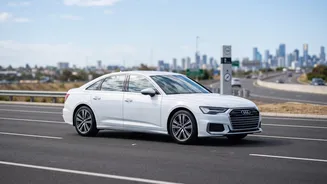



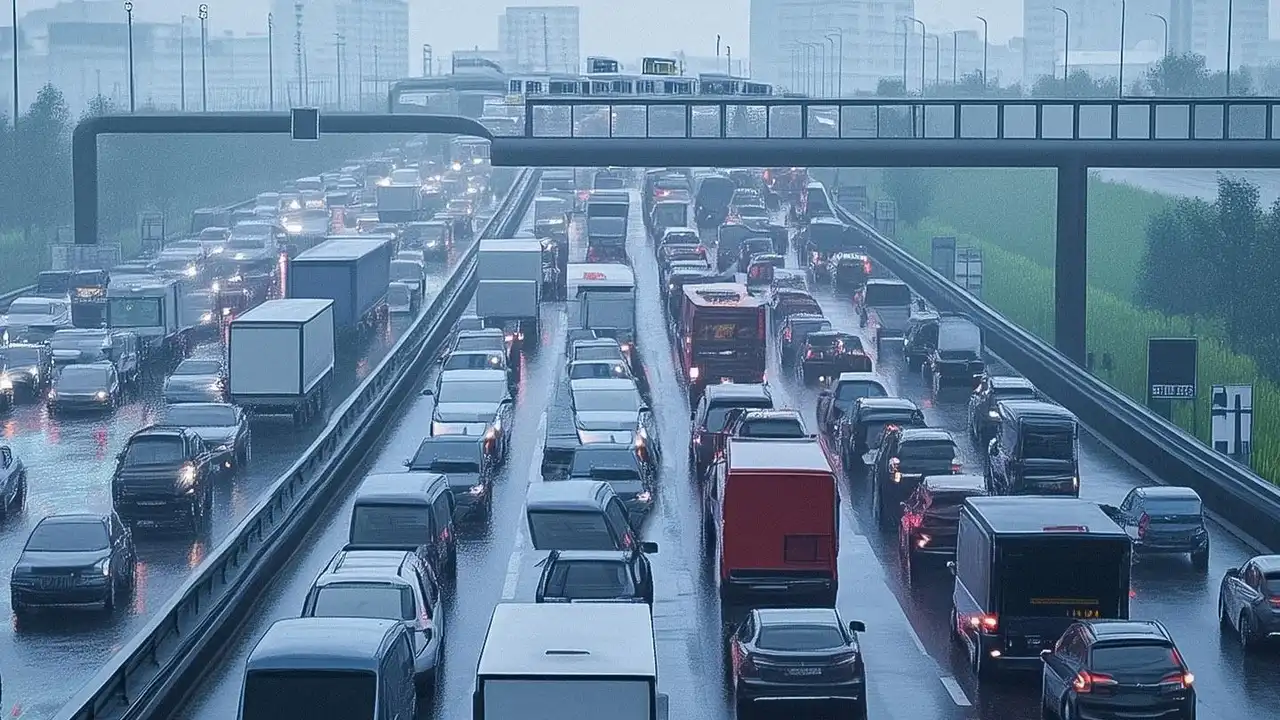
As winter approaches, New Delhi is enforcing strict new vehicle entry rules starting November 1 to combat seasonal air pollution. For the lakhs of commuters who drive into the capital from NCR towns, understanding these changes is crucial.
What’s Changing on November 1?
From November
1, 2026, to January 31, 2027, Delhi will prohibit the entry of vehicles registered outside the capital that do not meet the Bharat Stage VI (BS-VI) emission standard. This temporary but strict measure is a core component of the city's annual Winter Action Plan, designed to curb the severe air pollution that plagues the region during colder months. The rule affects a vast number of private and commercial vehicles that travel from neighbouring cities like Gurugram, Noida, Ghaziabad, and Faridabad into Delhi for work and business. Authorities are preparing for rigorous enforcement at all major entry points. This is separate from the Graded Response Action Plan (GRAP), which imposes restrictions based on real-time air quality levels.
Defining a ‘Non-Compliant’ Vehicle
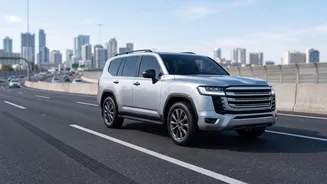
A 'non-compliant' vehicle, under this specific rule, is any petrol or diesel vehicle registered outside of Delhi that is rated below BS-VI. This primarily includes vehicles with BS-III and BS-IV emission norms, as well as any older models. Bharat Stage emission standards are the legal limits on air pollutants that a vehicle's engine can emit. BS-VI is the latest and most stringent standard, made mandatory for new vehicles across India from April 1, 2020. It's crucial to note that this entry ban is based on the vehicle's registration location and its emission norm, not its age alone. Vehicles registered within Delhi are not subject to this particular entry ban, although other city-specific rules about vehicle age and pollution certificates still apply to them.
Exemptions to the Rule
Not all vehicles will be barred. The Delhi government has specified several exemptions to the entry restriction. Most importantly, all electric vehicles (EVs) and vehicles that run on Compressed Natural Gas (CNG) are permitted to enter Delhi, regardless of their registration location or BS norm. Additionally, BS-VI compliant vehicles registered outside Delhi are allowed entry. The ban also does not apply to marked essential and emergency service vehicles, such as ambulances, fire trucks, and police vehicles. Commuters should be aware that these exemptions are specific, and a permit for one type of vehicle does not apply to another. For instance, rules for commercial goods vehicles and buses are governed by separate directions from the Commission for Air Quality Management (CAQM).
How to Check Your Vehicle's Status
If you are unsure about your vehicle's emission standard, you can easily verify it. The Bharat Stage norm is usually printed on the vehicle's Registration Certificate (RC). You can also check it online using the government's Parivahan Sewa portal. By entering your vehicle's registration number into the 'Know Your Vehicle Details' section, you can find its official emission norm listed. This simple check is essential for anyone planning to drive a non-Delhi registered vehicle into the capital and can prevent significant inconvenience at border checkpoints.
Enforcement and Penalties
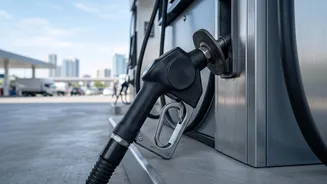
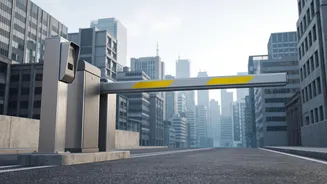
Authorities plan to enforce the ban strictly. Enforcement teams will be deployed at all key border points to check vehicles. To aid this effort, AI-powered Automatic Number Plate Recognition (ANPR) cameras will be used to automatically scan registration plates and flag non-compliant vehicles. Drivers of vehicles found violating the entry rule face a hefty challan of ₹20,000 or will be forced to turn back at the border. This penalty is issued under the Motor Vehicles Act for violation of pollution norms. Alongside the entry ban, Delhi is also doubling down on its 'No PUC, No Fuel' policy, where vehicles without a valid Pollution Under Control (PUC) certificate will be denied fuel at pumps across the city. A missing PUC certificate can attract a separate fine of ₹10,000.
What Are Your Alternatives?
With over 10 lakh vehicles in surrounding NCR cities potentially affected by this rule, planning alternative travel is key. The government is urging commuters to rely on public transport, including the Delhi Metro and the city's expanding fleet of electric buses. Carpooling with a compliant vehicle or using app-based taxi services that use compliant cars are other viable options. As part of the Winter Action Plan, the government is also encouraging a 50% work-from-home policy for offices and staggering work timings to reduce peak-hour traffic congestion, further incentivising the use of public transport systems.