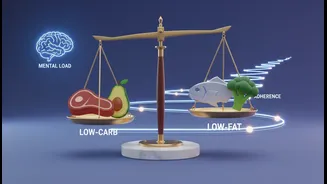









The Endless Diet Debate
For years, a war has been waged at dinner tables and in online forums: which diet reigns supreme? Advocates for low-carbohydrate plans like Keto and Atkins swear by cutting out carbs, while proponents of low-fat diets argue for their heart-healthy benefits.
Then there's the Mediterranean diet, intermittent fasting, and commercial programs like WeightWatchers, each with its own army of devoted followers. This constant barrage of conflicting information can leave anyone trying to lose weight feeling confused and overwhelmed, hopping from one trend to the next in search of a magic bullet that probably doesn't exist.
What New Analyses Reveal
Recent large-scale analyses and systematic reviews are cutting through the noise with a surprising conclusion. When researchers pool the data from numerous high-quality studies comparing different diets, a clear pattern emerges. Whether it's a low-carb diet or a low-fat one, the long-term results are remarkably similar. For example, a meta-analysis comparing low-carb and low-fat diets found that while low-carb might lead to slightly more weight loss in the first six months, the difference largely disappears by the 12-month mark. Across the board, most popular structured diets, from Atkins to Zone to WeightWatchers, result in modest but comparable long-term weight loss. The grand takeaway from these comprehensive studies is that no single popular diet is consistently and dramatically superior to others for the average person over the long run.
The Real Engine of Weight Loss
If the specific macronutrient ratio isn't the magical key, then what drives weight loss? The answer is simple, yet often overlooked: a consistent calorie deficit. Every successful weight-loss diet, regardless of its specific rules, works by helping people consume fewer calories than their body burns. Low-carb diets often reduce appetite by increasing protein and fat, which are more satiating. Low-fat diets focus on lower-calorie foods like fruits, vegetables, and lean proteins. Intermittent fasting restricts the time window for eating. All are different roads leading to the same destination of reduced overall energy intake. The 'brand name' of the diet is less important than its ability to successfully and sustainably create this energy gap.
The Secret Ingredient: Consistency is Key
This leads to the most crucial factor in any weight management journey: adherence. An emerging body of evidence overwhelmingly suggests that the degree to which a person can stick to a diet is a far more important predictor of success than the type of diet itself. It doesn't matter if a diet is theoretically perfect if you can't follow it for more than a few weeks. The 'best' diet is a personal one. It's the eating pattern that fits your lifestyle, food preferences, cultural background, and budget. Studies show that adherence rates drop over time for all diets, and this is when weight regain often occurs. The challenge, therefore, isn't finding a 'perfect' plan, but finding a healthy plan you can live with.
How to Choose Your 'Best' Path
Instead of getting caught up in the hype of the latest trend, consider a more personalized approach. Ask yourself practical questions: Does this way of eating fit with my family's meals? Can I follow this plan when I'm eating out or travelling? Does it include foods I genuinely enjoy? A plan that emphasizes whole foods, includes adequate protein and fibre, and doesn't completely forbid your favourite treats is more likely to be sustainable. Research shows that factors like social support and supervised programs can also significantly boost adherence and success. Ultimately, the goal is to build lasting habits, not to endure a temporary period of extreme restriction. Focus on creating a healthier relationship with food that you can maintain for years, not just for a few months.