



The Starting Point: Global Crude Oil
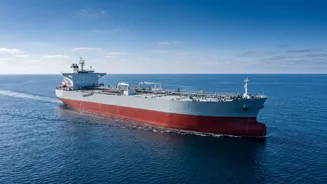
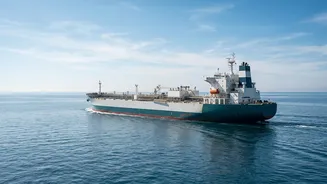
The story often begins with crude oil. As a nation that imports over 85% of its oil requirements, India is highly sensitive to global price shifts. When prices for Brent crude—the benchmark for oil India imports—rise, the immediate effect is a larger
import bill. As of late August 2026, geopolitical tensions have pushed Brent crude prices back above $90 a barrel. This isn't just an abstract number for the government; it's the first domino. India must pay for these oil imports in U.S. dollars, which directly links the price of oil to the value of our own currency.
The Currency Connection: A Weaker Rupee
When India needs to buy more expensive oil, it needs more U.S. dollars. This increased demand for dollars makes the American currency stronger relative to the Indian rupee, causing the rupee to depreciate or weaken. Recently, the rupee has been trading at over ₹95 to the dollar. A weaker rupee creates a difficult feedback loop: even if the dollar price of oil stays the same, a weaker rupee means we have to spend more rupees to buy each barrel. This phenomenon is known as imported inflation, where the rising cost of imports directly fuels domestic price rises. This pressure isn't limited to oil; it affects all goods India imports, but because oil is such a massive part of the import bill, its impact is the most significant.
The Domestic Domino: Fuelling Inflation
Higher oil costs, amplified by a weaker rupee, don't just stay at the ports. They ripple through the entire economy in the form of inflation. The most obvious impact is on fuel prices at the pump. Since nearly all goods in India are transported by road, higher diesel prices increase freight charges. This directly raises the cost of getting everything from raw materials to finished products to the market. But the effect goes even deeper. Diesel is a critical input for Indian agriculture, powering tractors for tilling and pump sets for irrigation. Higher fuel costs therefore increase the base cost of growing food before it even leaves the farm. Furthermore, the production of essential fertilisers is an energy-intensive process, and those costs are also passed on to farmers, and eventually, to consumers.
From the Pump to the Plate: Your Food Bill
This is where the chain reaction hits home. The increased costs of cultivation and transportation stack up. A farmer might pay more for diesel to run a tractor, and a transporter will charge more to move vegetables from a rural mandi to the city. By the time those vegetables reach your local vendor, the price has absorbed these added expenses. This is why you see the prices of staples like onions, tomatoes, grains, and pulses rise. Recent data for July 2026 showed India's consumer food price inflation rate was 5.52%. While this overall figure can be influenced by many factors like monsoon performance, the underlying pressure from higher fuel and transport costs is a persistent driver that erodes household purchasing power. For the average family, this translates into a higher grocery bill and less discretionary income for other needs.