



The Pre-Holiday Plant Problem
Going away is exciting, but it can be a stressful time for your indoor jungle. Changes in routine, travel, and even slight adjustments to your home's temperature can put your plants at risk. It’s not just about forgetting to water; it’s about breaking
the stable environment your plants have grown accustomed to. Without your daily check-ins, a minor issue can quickly become a major problem. The key to a worry-free vacation isn't setting up complicated systems for every single plant. Instead, it's about identifying which plants are most likely to struggle and giving them a little extra attention before you head out the door. This strategic approach saves you from unnecessary work and anxiety.
What Makes a Plant 'High-Risk'?
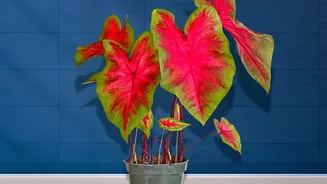
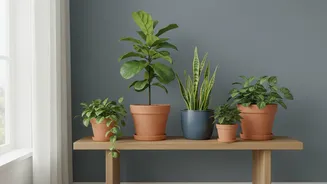
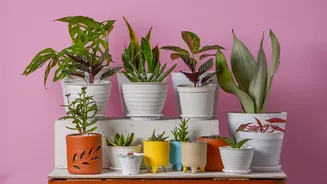
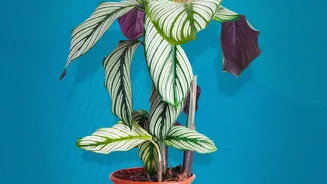
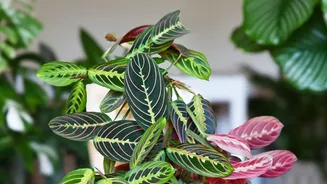
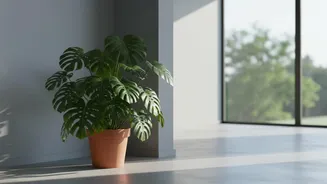
Not all plants are created equal when left alone. A 'high-risk' plant is one that is sensitive to changes in its watering schedule or environment. Several factors contribute to this risk. Pot material is a major one; porous terracotta pots lose moisture much faster than glazed ceramic or plastic ones. Pot size also matters. Smaller pots hold less soil and therefore less water, drying out very quickly. The plant species itself is another critical factor. Thirsty plants like ferns, calatheas, and palms need consistent moisture to avoid crispy brown leaves. Finally, any plant sitting in direct sunlight is at higher risk, as the sun will bake the soil and accelerate water evaporation. Grouping plants with similar needs can help you assess risk more easily.
Your Five-Minute Plant Triage
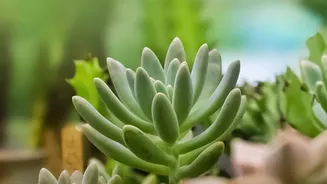
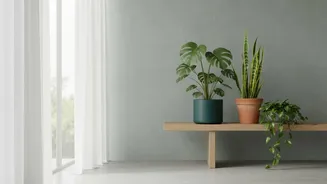
Before you start packing your bags, take a quick walk through your home to identify your high-risk group. Look for any plants in small, unglazed terracotta pots—these are your top priority. Next, identify your most dramatic, water-loving species. If you have ferns, peace lilies, or any other plants that wilt the second they get thirsty, add them to the high-risk list. Pay attention to location. Any plant basking in a sunny window will need intervention. Conversely, plants in larger pots, self-watering containers, or drought-tolerant species like succulents, cacti, and snake plants are generally low-risk and will likely be perfectly fine for a week or two with a pre-departure watering. This simple assessment helps you focus your efforts where they're needed most.
Pre-Departure Care for Vulnerable Plants
Once you've identified your at-risk crew, you can take a few simple steps. First, give them all a thorough watering a day or two before you leave. This allows the soil to get fully saturated. For an extra layer of protection, move this high-risk group together into a spot with less light, like the center of a room or even in a bathroom with some natural light. Grouping them helps create a more humid microclimate. For very thirsty plants, you can set up a simple self-watering solution. A DIY wicking system, where one end of a cotton string is in the soil and the other is in a jar of water, can be a lifesaver. You can also use watering globes or even an upside-down wine bottle filled with water.
Coming Home: The Post-Vacation Check-Up
When you return, resist the urge to immediately overwater everything. Take a moment to assess your plants. Check the soil moisture first. If a plant is dry and wilted, give it a good soak, letting excess water drain away completely. It’s often better for a plant to recover from being too dry than from root rot caused by sitting in water. Remove any yellow or dead leaves to help the plant direct its energy toward new, healthy growth. Then, gradually move your plants back to their usual spots. A sudden shift back into bright, direct sunlight can be a shock after a week in lower light. With a gentle reintroduction to their normal routine, most plants will bounce back quickly, letting you enjoy that post-holiday glow without any plant-related guilt.