




Why Fibre is Your Health's Best Friend
Dietary fibre is a type of carbohydrate that your body can't digest. Instead of being broken down, it passes through your system, playing a crucial role in maintaining good health. It helps regulate blood sugar, lowers cholesterol, and is essential for
healthy digestion. A high-fibre diet keeps you feeling full for longer, which can help with weight management. Furthermore, it supports a healthy gut microbiome, which is linked to everything from better immunity to reduced inflammation. Experts recommend that adults consume about 25 to 38 grams of fibre daily, but many people fall short of this target.
The Power of Pulses and Legumes
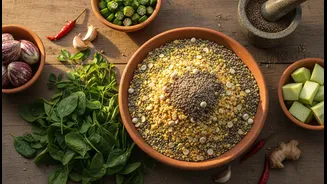
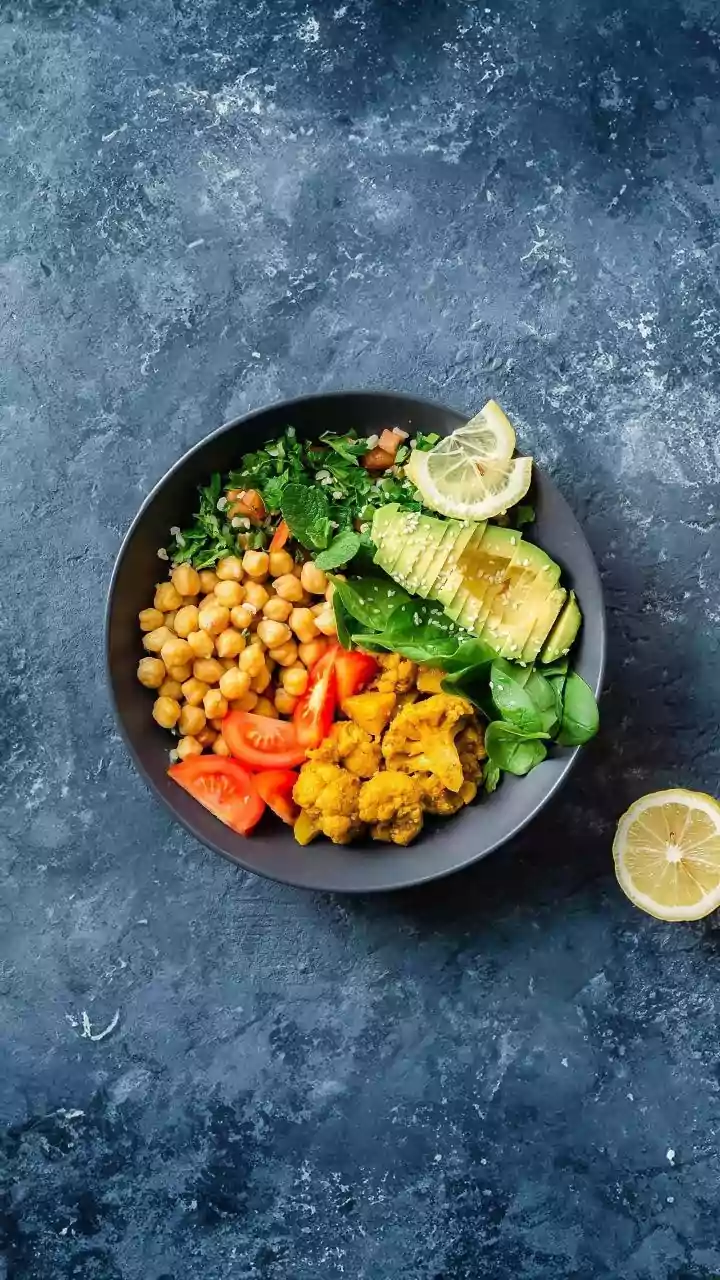
Lentils (dals), beans, and chickpeas are the foundation of a high-fibre Indian diet. A single serving of dal can provide a significant portion of your daily fibre needs. Varieties like masoor, toor, moong, and chana dal are excellent sources of both soluble and insoluble fibre. Soluble fibre helps control blood sugar and cholesterol, while insoluble fibre aids digestion. Dishes like rajma and chana masala are not just delicious comfort foods; they are fibre powerhouses, with rajma and black chana being among the highest in fibre content. Including a bowl of dal or a serving of legumes in your lunch and dinner is one of the easiest ways to boost your fibre intake.
Embrace Traditional Whole Grains
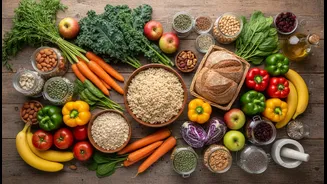
For generations, Indian meals have been built around whole grains, and for good reason. Millets like jowar (sorghum), bajra (pearl millet), and ragi (finger millet) are packed with fibre and nutrients. Making rotis from these millet flours instead of just refined wheat flour (maida) can dramatically increase the fibre content of your meal. Similarly, choosing whole wheat atta for your daily chapatis is a simple but effective swap. When it comes to rice, opting for brown or red rice over polished white rice adds valuable fibre to your plate. These whole grains release energy slowly, keeping you full and preventing sharp spikes in blood sugar.
The Humble Sabzi's Secret Strength
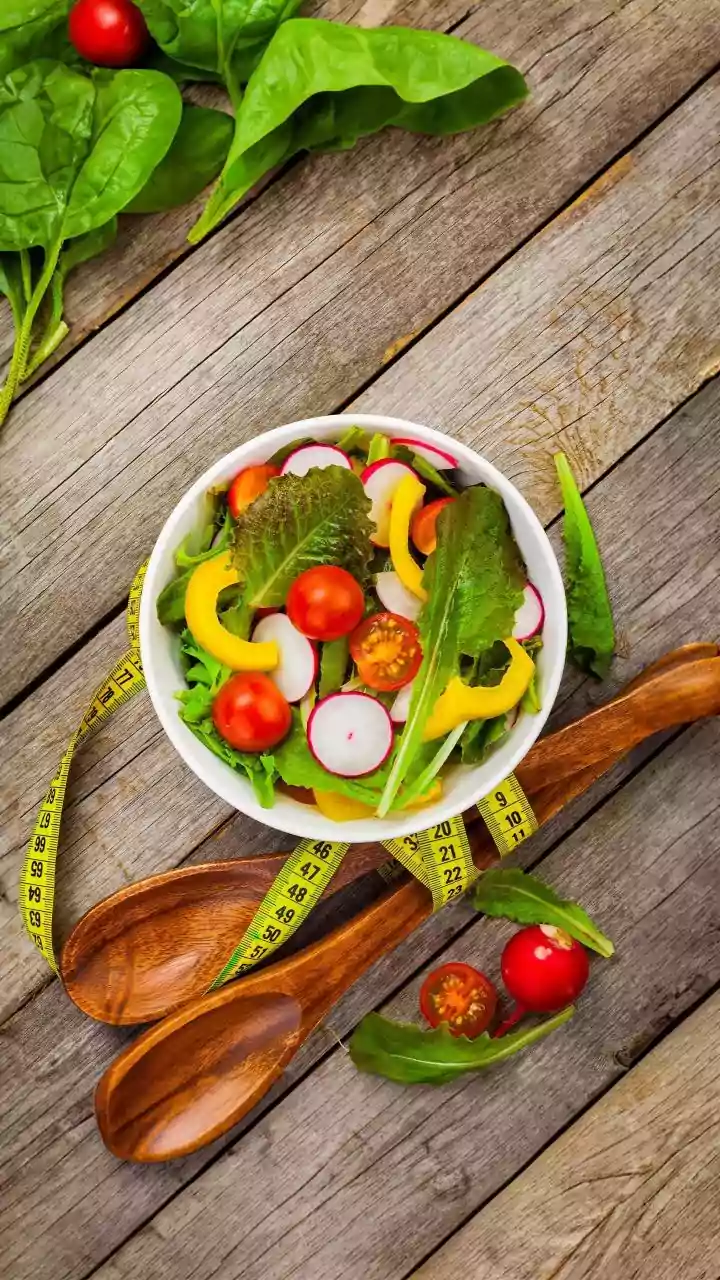
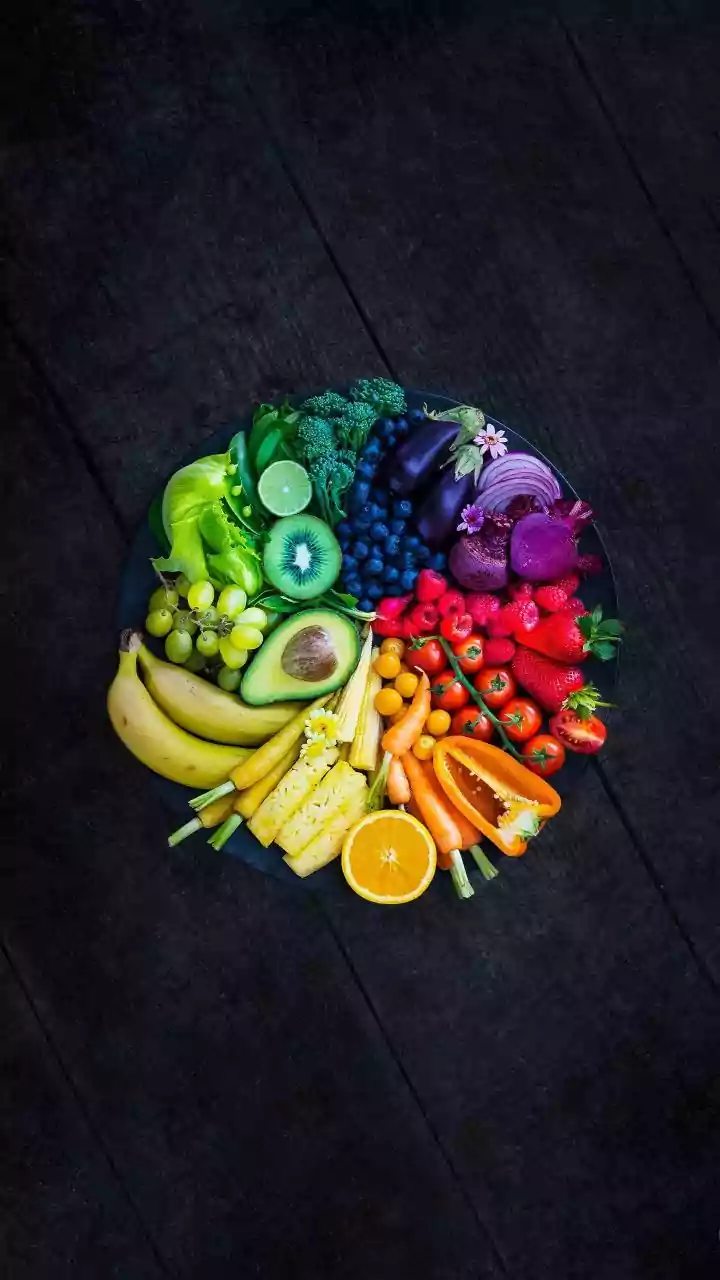
The variety of vegetables in Indian cuisine offers a vibrant palette of fibre and nutrients. Leafy greens like spinach (palak) and fenugreek (methi) are fantastic sources. Common vegetables such as okra (bhindi), green peas (matar), bottle gourd (lauki), and carrots are also rich in fibre. Traditional recipes like sambar, avial, and mixed vegetable curries are excellent ways to consume a diverse range of vegetables in one meal. To maximize fibre, avoid over-peeling vegetables like carrots and cucumbers, as much of the fibre is in the skin. Filling half your plate with a colourful sabzi is a great rule of thumb for a balanced, high-fibre meal.
Don't Forget Fruits, Nuts, and Seeds
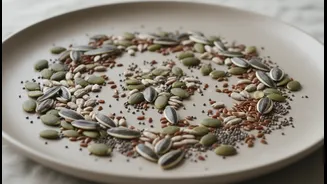
Fruits are a sweet and easy way to add fibre to your diet. Guava is one of the fruits with the highest fibre content, but bananas, apples, and papayas are also great choices. Eating the whole fruit is always better than drinking juice, which strips away the beneficial fibre. For a simple snack, a handful of nuts like almonds and walnuts or seeds like flax and sesame can provide a quick fibre boost. Roasted chana is another traditional, high-fibre snack that is both healthy and satisfying. Incorporating these into your daily routine, whether as a morning snack or an evening munch, helps you reach your fibre goals effortlessly.