



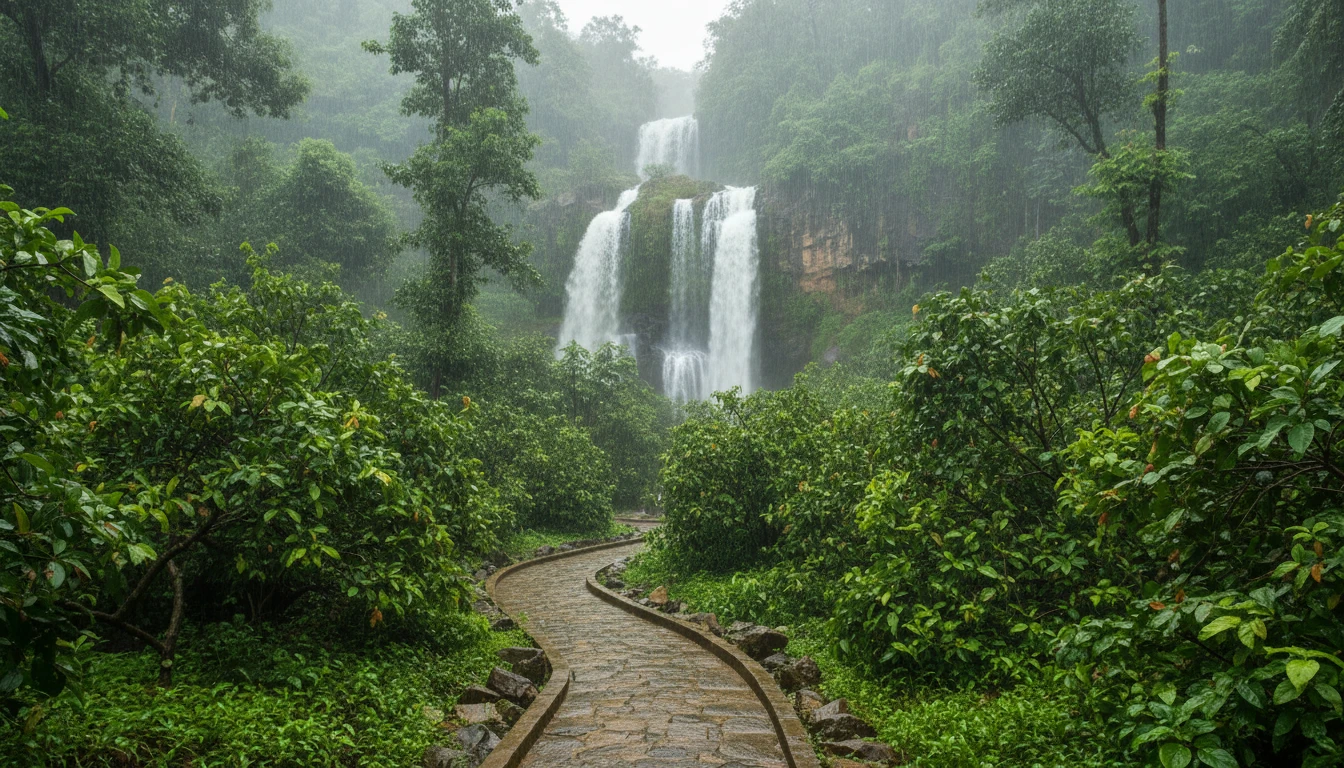
The Majestic Waterfalls
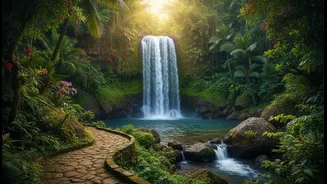
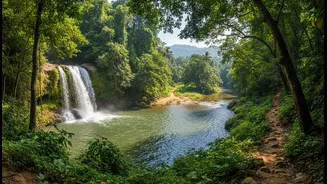
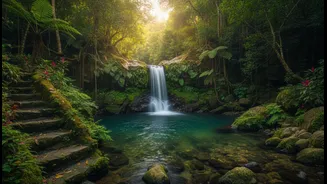
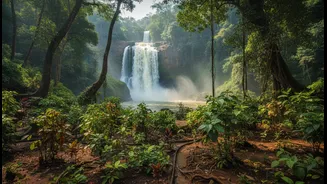
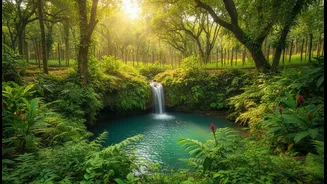
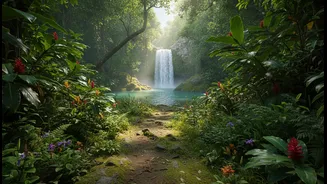
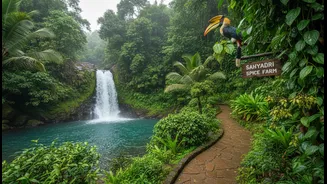
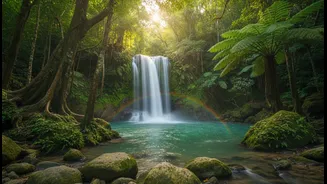
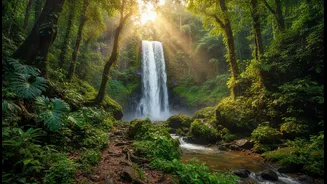
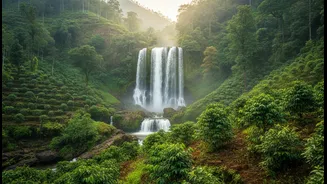
Away from the Arabian Sea, Goa's interior is home to stunning waterfalls, especially during and after the monsoon. The most famous is Dudhsagar Falls, a towering, four-tiered cascade that translates to "Sea of Milk". Reaching it involves a journey through
the Bhagwan Mahavir Wildlife Sanctuary, making the experience an adventure in itself. For those seeking quieter spots, Netravali Wildlife Sanctuary in South Goa offers hikes to the beautiful Savri and Mainapi waterfalls, where you can immerse yourself in the sounds of the forest. These natural wonders offer a refreshing alternative to the crowded coastline.
Aromatic Spice Plantations
The hills of inland Goa are scented with the aroma of spices. Plantations like Sahakari Spice Farm and Pascoal Spice Village, often located around the Ponda area, offer guided tours where you can see cardamom, pepper, nutmeg, and cinnamon growing. These visits are more than just a walk through a farm; they are an educational experience. Guides explain the medicinal properties of plants, and you can often witness the traditional process of making Feni, Goa's famous cashew spirit. Many tours conclude with a traditional Goan buffet lunch, giving you a literal taste of the region's agricultural heritage.
Pristine Wildlife Sanctuaries
The dense forests of the Western Ghats that cover eastern Goa are biodiversity hotspots. Bhagwan Mahavir Wildlife Sanctuary and Mollem National Park are home to deer, macaques, and a rich variety of birdlife, including hornbills. The quieter Netravali Wildlife Sanctuary is celebrated for its lush landscapes and is a haven for butterflies and reptiles. These protected areas allow travellers to connect with nature through trekking, birdwatching, and jeep safaris. This focus on ecotourism helps distribute tourism income to rural communities and reduces pressure on the coastal ecosystem.
The Rise of Eco-Stays and Homestays
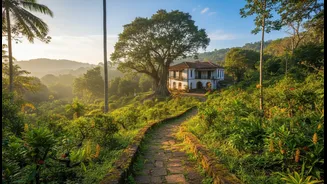
This shift towards nature-first travel has been fueled by the growth of eco-conscious accommodation. From farm stays near Dudhsagar to tranquil retreats in Parra and Sangolda, travellers can now stay in properties that prioritize sustainability. These homestays and eco-resorts are often built with local materials, conserve water, and offer organic food. They provide a more authentic and peaceful way to experience Goa, allowing guests to wake up to birdsong instead of beach club beats and engage more deeply with the local culture and environment.
Slow Living and Serene Backwaters
Ultimately, the appeal of inland Goa lies in a slower, more mindful pace of travel. Visitors are kayaking through mangrove-lined channels in the Salim Ali Bird Sanctuary, taking ferry rides across the Zuari and Mandovi rivers, and exploring quiet, Portuguese-era villages. This trend is about finding wellness and peace in green surroundings, away from the constant buzz. It’s a move towards experiences that feel more personal and connected, from discovering a hidden temple on a jungle trail to enjoying a quiet moment by a river.