








Choose Your Textiles Wisely
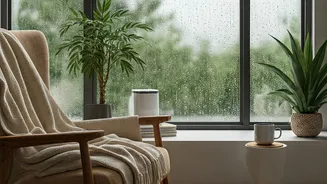
Heavy fabrics are the first casualty of high humidity. Materials like velvet, thick wool, and even some dense cottons can absorb and trap moisture, leading to musty smells and potential mildew growth. This season, swap them out for lighter, more breathable
options. Thin cottons, linen, and synthetic blends are excellent choices for curtains, cushion covers, and throws. They dry quickly, don't hold onto dampness, and allow for better air circulation. It's also a great time to roll up and store away heavy carpets and rugs, which are notorious for trapping moisture from the air and damp footwear. Instead, opt for washable cotton dhurries or anti-skid mats that are easy to clean and dry.
Rethink Furniture Placement and Materials
Proper airflow is your best defence against dampness. Avoid pushing furniture right up against walls, as this creates pockets of stagnant air where moisture can condense and mould can grow. Pulling sofas, cabinets, and beds even a few inches away from the wall can make a significant difference. When it comes to materials, consider furniture made from rattan, cane, or bamboo, which allow air to circulate freely. Metals like powder-coated aluminium and woods like teak are also more resistant to humidity-related damage. If you have wooden furniture, ensure it is polished or waxed to create a protective barrier against moisture.
Embrace Humidity-Absorbing Plants
Indoor plants can be more than just decorative; some are natural dehumidifiers. Plants absorb moisture from the air through their leaves, helping to regulate indoor humidity levels. Species like the Peace Lily, Snake Plant, Spider Plant, and Areca Palm are particularly effective at this and thrive in Indian climatic conditions. English Ivy is another great choice, especially for hanging planters in humid areas like kitchens and bathrooms. Grouping a few of these plants in a damp corner not only adds a lush, green element to your decor but also works quietly to keep the air fresher.
Deploy Natural Dehumidifiers and Scents
Combat musty odours and excess moisture with simple, natural solutions. Placing bowls of rock salt or charcoal briquettes in damp corners, closets, or under furniture can effectively absorb ambient humidity. These materials naturally draw moisture from the air, helping to keep the space dry. You can also reuse silica gel packets that come with new products by placing them in drawers and cabinets. To keep your home smelling fresh, use natural fragrances. Small pouches of dried neem leaves, camphor, or cloves can be tucked into wardrobes to ward off insects and stale smells. Lighting scented candles or using an aroma diffuser with essential oils like lavender or sandalwood can also create a warm, inviting atmosphere that masks any dampness.
Maximise Light and Ventilation
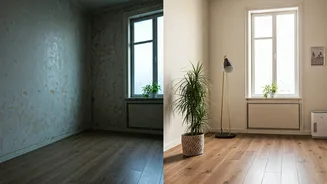
Overcast monsoon skies can make interiors feel dark and gloomy. Counteract this by maximising both natural and artificial light. Swap heavy curtains for sheer or lace ones that allow daylight to filter through while maintaining privacy. When it's not actively raining, open windows on opposite sides of a room to encourage cross-ventilation, which is crucial for drying out the air and preventing moisture buildup. In the evenings, use warm-toned LED lights, floor lamps, and table lamps to create a cosy and bright ambience. A well-lit, well-ventilated room will always feel fresher and more welcoming, no matter the weather outside.