






Air Travel Under Grey Skies
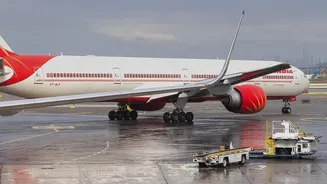
Monsoon travel often begins and ends at the airport, where the season's impact is immediately felt. Heavy rain, low visibility, and strong winds frequently lead to significant flight delays, diversions, and sometimes cancellations. For instance, a recent
spell of severe weather in Delhi caused over 400 flight delays and more than 20 cancellations in a single day. Airports in Mumbai and Kolkata are also notoriously prone to disruptions during the peak monsoon months of July and August. To mitigate this, always check your flight status before heading to the airport. Airlines like IndiGo, Air India, and SpiceJet regularly issue travel advisories during adverse weather. Opt for early morning flights, as thunderstorms tend to build up in the afternoon. It is also wise to book flexible fares and avoid tight connections, as a single delay can have a domino effect on your itinerary.
Navigating Treacherous Roads
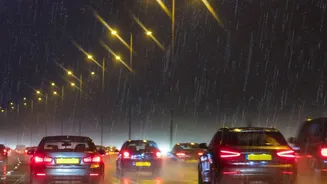
Road travel during the monsoon requires the utmost caution. Waterlogging is a major issue in cities like Delhi and Gurugram, turning roads into rivers and causing massive traffic snarls. In hilly and mountainous regions, particularly in states like Uttarakhand, Himachal Pradesh, and the Northeast, the risk of landslides is severe. These can block national highways for days, leaving travellers stranded. Before embarking on a road trip, check the latest weather alerts from the India Meteorological Department (IMD) and local traffic updates. Never attempt to drive through flooded streets, as the water can conceal deep potholes or open drains. If you're driving, reduce your speed, maintain a safe distance from other vehicles, and use your headlights for better visibility. For travel between cities, consider the metro where available, as it remains one of the most reliable modes of transport, unaffected by chaos on the roads.
The Unpredictability of Train Journeys
While train journeys offer a scenic view of the lush, rain-washed countryside, they are not immune to monsoon-related problems. Waterlogged tracks are a primary concern, especially in low-lying areas, which can lead to significant delays or outright cancellations. In hilly terrains, landslides can block railway lines, disrupting services for extended periods. Reduced visibility due to heavy rain or fog also forces trains to operate at slower speeds, affecting schedules. Before you travel, use railway apps or websites to check the live status of your train. On station platforms, be extra careful as surfaces can become very slippery. It is always best to stay behind the designated safety line and listen for announcements regarding platform changes or delays.
Staying Healthy Amidst the Damp
The monsoon is a breeding season for various illnesses. The increased humidity and stagnant water create ideal conditions for mosquitoes, leading to a rise in diseases like dengue, malaria, and chikungunya. It is essential to use mosquito repellents, wear long-sleeved clothing, and use mosquito nets if necessary. Waterborne diseases such as typhoid and cholera are also common, so drinking only boiled, filtered, or sealed bottled water is crucial. Be cautious with street food, as the high moisture content in the air can lead to rapid bacterial growth and contamination. Personal hygiene is paramount; wash your hands frequently and carry a sanitiser. Also, walking through stagnant water should be avoided to prevent fungal infections and diseases like leptospirosis.
Packing Smart for the Rain
Your packing list for a monsoon trip should be tailored to the challenges of the season. A reliable raincoat and umbrella are non-negotiable. Opt for quick-drying clothes made from synthetic fabrics over cotton. Waterproof footwear with a good grip is essential to navigate slippery and waterlogged streets. Protect your electronics and important documents like your passport and tickets in waterproof bags or zip-lock pouches. A power bank is a wise addition, as power cuts can be frequent in some areas. Finally, pack a basic medical kit containing essentials for common ailments like colds, fever, and stomach issues, along with antiseptic wipes, bandages, and any personal medications.