






The Spreading White Scourge
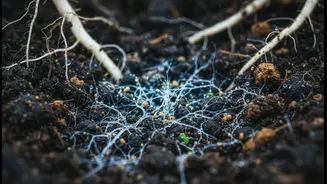
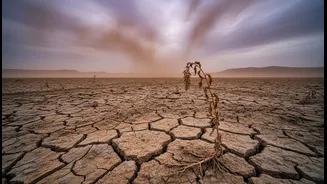
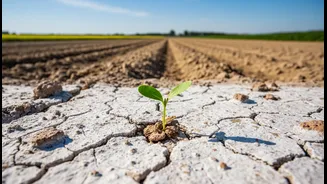
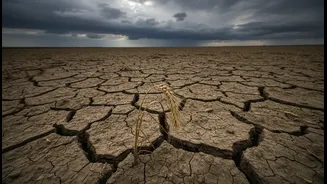
For countless farmers, especially in coastal regions and arid plains, the soil is becoming an adversary. Soil salinity, the increasing concentration of salts in the earth, renders vast tracts of land infertile. In India, an estimated 6.73 million hectares
are salt-affected, a number that threatens to grow each year. This phenomenon is driven by a combination of factors, including rising sea levels pushing saltwater inland, the use of saline groundwater for irrigation, and inadequate drainage in canal-irrigated areas. When salt levels in the soil get too high, they disrupt a plant's ability to absorb water and essential nutrients, leading to stunted growth and drastically reduced crop yields. The problem creates a vicious cycle of falling productivity and deepening rural poverty.
Breeding a New Generation of Crops
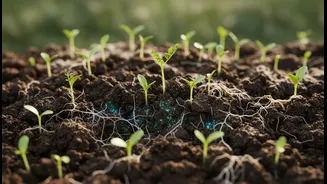
The frontline of this agricultural battle is in the laboratory. Scientists at institutions like the ICAR-Central Soil Salinity Research Institute (CSSRI) are at the forefront of developing crop varieties that can withstand and even thrive in these challenging conditions. Through conventional breeding and modern biotechnology, they have successfully developed salt-tolerant strains of essential staples like rice, wheat, and mustard. For instance, CSSRI has released numerous rice varieties, including a salt-tolerant Basmati, that can grow in soils with high sodicity and salinity. Similarly, new wheat varieties like KRL 210 and KRL 19 have been bred to produce viable yields in soils previously considered unusable. These are not just marginal improvements; they represent a fundamental shift, allowing farmers to cultivate land that had been abandoned.
Harnessing Nature's Survivors: Halophytes
Beyond modifying traditional crops, another exciting frontier is the cultivation of halophytes—plants that are naturally salt-tolerant. These remarkable species have evolved unique mechanisms to survive in high-salinity environments, such as by excreting excess salt through special glands or storing it in vacuoles to prevent cellular damage. Researchers are now identifying and domesticating economically useful halophytes that can be grown for fodder, fuel, and even food. Species like Suaeda nudiflora and Aeluropus lagopoides, once considered wild vegetation of saline deserts, are now being explored for their potential to restore degraded lands and provide a livelihood for farmers in the most arid regions of western India. This approach works with nature, rather than against it, to turn a problem into a productive asset.
Smarter Farming for Saline Soils
Technology and technique are just as important as the seeds themselves. Alongside developing hardier crops, experts are promoting a suite of Good Agricultural Practices (GAP) tailored for salt-affected lands. This includes innovative water management strategies like using drip irrigation to deliver water directly to the plant's roots, which minimises water loss and salt accumulation. Another key technique is land shaping, where fields are modified to create ridges for planting crops and furrows for draining excess saline water. Farmers are also encouraged to apply soil amendments like gypsum, which helps improve soil structure and leach harmful sodium, and to use organic matter like compost to boost soil health and water retention. Recently, microbial solutions are also showing promise, with certain soil bacteria found to help plants produce lignin, strengthening their structure against salt stress.
From the Lab to the Land
The journey from a research breakthrough to a farmer's field is the final, crucial step. Bringing these innovations to scale requires a concerted effort from government agencies, research institutions, and agricultural extension services. Success stories are already emerging, such as in the Sundarbans, where farmers adopting salt-tolerant rice varieties and better water management have been able to grow a second crop, significantly boosting their annual income. Collaborative projects, some involving international partners, are helping to introduce not only salt-tolerant rice and wheat but also dry-season crops like sunflower, watermelon, and various vegetables in coastal areas, diversifying income and improving food security. The challenge now is to ensure these seeds and techniques are accessible and affordable for the small and marginal farmers who need them most.