



Essentials for Puja and Prasad
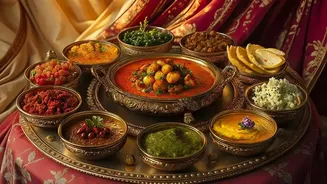
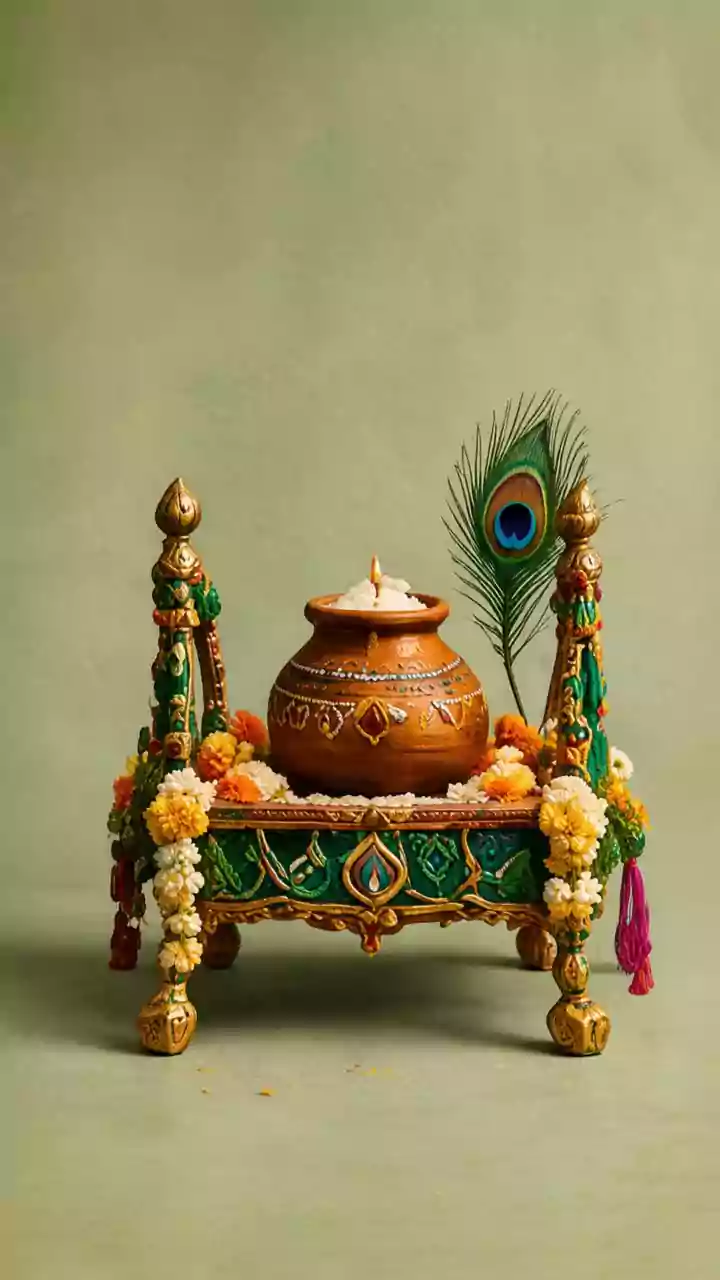
The heart of the Janmashtami celebration is the puja, and a few simple items are central to the prasad. Makhan Mishri, a blend of fresh white butter and rock sugar, is famously Lord Krishna's favourite and one of the easiest offerings to prepare. Another
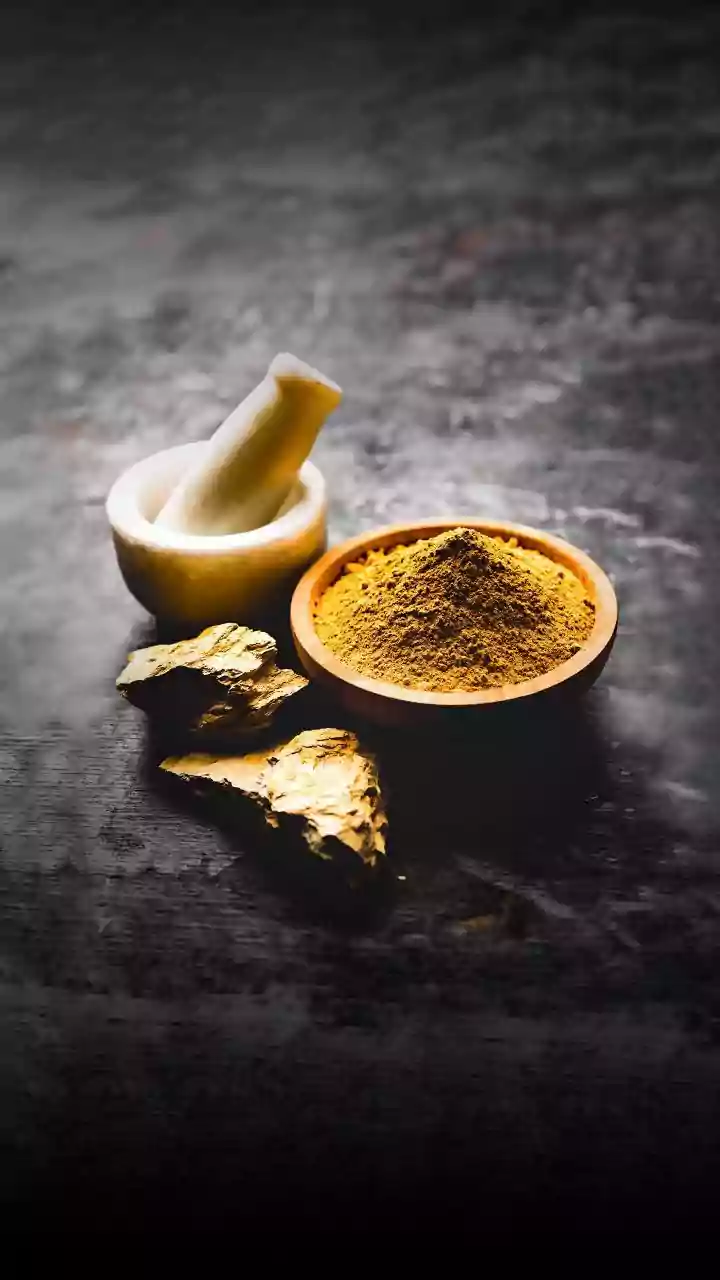
essential is Panchamrit, a sacred mixture of five ingredients: fresh milk, curd (yoghurt), ghee, honey, and sugar. Many families also prepare Dhaniya Panjiri, a roasted, fragrant powder of coriander mixed with powdered sugar, ghee, and chopped nuts like almonds and cashews. Your shopping list for these divine offerings should include good quality ghee, whole milk, fresh curd, honey, mishri (rock sugar), coriander powder, and a selection of dry fruits. Tulsi leaves are also a must-have, as they are traditionally added to bhog offered to Krishna.
Flours and Grains for Fasting
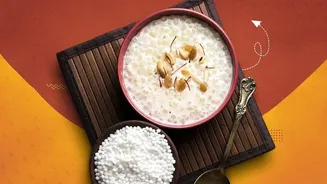
Many devotees observe a fast (vrat) on Janmashtami, abstaining from regular grains like wheat and rice. A simple feast can still be prepared using permissible flours. Stock up on Singhare ka Atta (water chestnut flour), Kuttu ka Atta (buckwheat flour), and Rajgira ka Atta (amaranth flour). These flours are perfect for making puris, parathas, or even a simple halwa. Another staple is Sabudana (tapioca pearls), which can be used to make the ever-popular Sabudana Khichdi or crispy Sabudana Vadas. Also consider Samak Rice (barnyard millet), a wonderful substitute for regular rice that can be used to prepare a simple pulao or a creamy kheer. When shopping, remember to also pick up Sendha Namak (rock salt), as regular table salt is typically avoided during fasting.
Dairy and Sweeteners
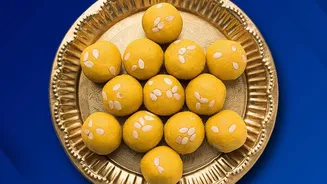
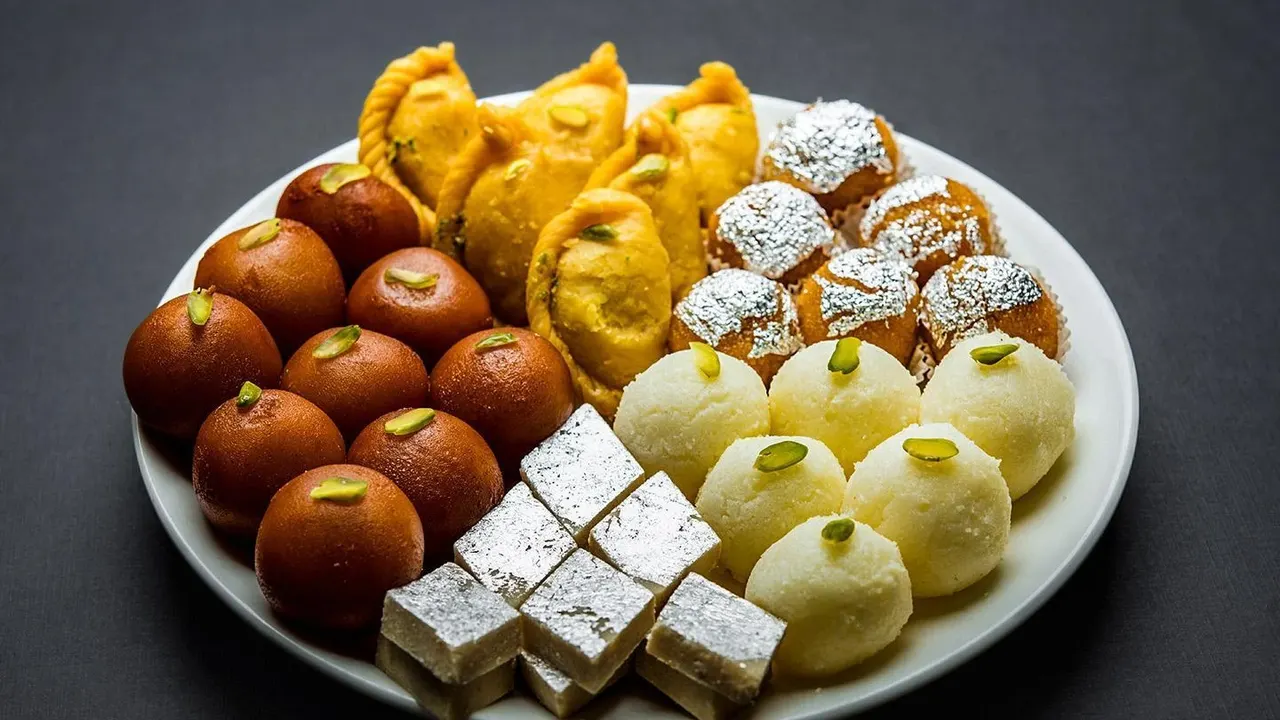
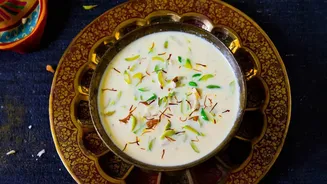
Dairy products are central to the Janmashtami feast, reflecting Krishna's childhood in Gokul. Fresh, full-cream milk is essential for making sweets like kheer (rice pudding) or rabri. Khoya or mawa (dried milk solids) is the base for many traditional sweets like Peda. Plain yogurt or curd is not only a part of Panchamrit but is also served on its own or used to make cooling buttermilk (chaas). And of course, no festival is complete without sweeteners. Besides the mishri for prasad, you will need sugar or jaggery for making various sweets. High-quality ghee is non-negotiable; it's used for frying puris, roasting panjiri, and adding richness to nearly every dish.
Key Spices, Vegetables, and Herbs
Janmashtami cooking is traditionally sattvic, meaning it avoids onions and garlic. The flavours come from a simple palette of spices. Your list should include Cumin seeds (jeera), cardamom (elaichi), and black pepper. For fasting dishes, potatoes are a versatile staple, used in everything from simple sabzis to pair with kuttu ki puri, to fillings for tikkis and pattice. Other vrat-friendly vegetables include pumpkin (kaddu) and colocasia (arbi). Fresh ginger and green chillies are also used in many savoury preparations to add a bit of heat and flavour. Fresh coriander leaves can be used for garnish.
Fruits, Nuts, and Snacks
Fruits are an important part of the fasting diet and the bhog offering. Bananas, pomegranates, apples, and guava are excellent choices. A sprinkle of pomegranate seeds can add colour and freshness to dishes like Gopalkala, a savoury poha-based dish made with curd and cucumber. Dry fruits and nuts are used generously. Almonds, cashews, pistachios, and raisins are added to sweets like kheer and panjiri. Makhana (fox nuts) are particularly popular; they can be roasted with a little ghee and rock salt for a simple snack or used to make a delicious Makhana Kheer or Makhana Paag, a sweet treat.