



Understanding the El Niño Threat
El Niño is a climate pattern characterized by the unusual warming of surface waters in the eastern Pacific Ocean. For India, this typically means a disruption of the atmospheric circulation that drives the vital southwest monsoon. Historical data shows
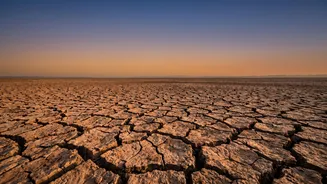
a strong correlation between El Niño years and below-normal rainfall, which can lead to drought-like conditions, particularly in central and northwestern India. Current predictions for 2026-27 suggest a strong event, putting the country on alert for its driest monsoon in years and raising concerns about crop yields, water reservoir levels, and food price inflation.
A National Strategy for Food Security
At the national level, the government's primary role is to ensure food security and manage economic stability. This involves maintaining adequate buffer stocks of essential food grains like rice and wheat to supply the public distribution system and control price volatility. A multi-ministry task force has been tasked with assessing how El Niño will affect major crops and identifying potential import needs if domestic supplies fall short. The Indian Council of Agricultural Research (ICAR) has also issued Standard Operating Procedures to agricultural science centers (Krishi Vigyan Kendras) across vulnerable districts to help manage the risks. This hyper-vigilant approach aims to create a 'protective shield' for farmers and consumers alike.
Proactive Water Resource Management
Water scarcity is a direct consequence of a weak monsoon. Preparing for this requires a concerted focus on conservation and efficient use. The government has been promoting micro-irrigation systems like drips and sprinklers with significant subsidies to encourage the 'more crop per drop' principle. Alongside technology, there is a renewed push for traditional methods like rainwater harvesting and the rejuvenation of existing water bodies. Authorities are also closely monitoring water levels in the country's major reservoirs to plan for allocation between drinking water, agriculture, and industry, ensuring that drinking water remains the top priority in vulnerable areas.
Empowering Farms and Farmers
The frontline defense against El Niño lies in the fields. A key strategy is promoting the cultivation of drought-tolerant and short-duration crops. Farmers are being encouraged to plant millets like bajra (pearl millet) and jowar (sorghum), as well as pulses, which require less water and can withstand drier conditions. State governments are playing a crucial role by providing subsidized seeds for these alternative crops and ensuring the availability of credit through schemes like the Kisan Credit Card. Furthermore, updated District Agriculture Contingency Plans for over 200 vulnerable districts provide a roadmap for specific, localized actions based on emerging weather patterns.
Leveraging Technology and Information
Modern technology is a critical tool in this fight. The India Meteorological Department (IMD) provides crucial forecasts that allow for timely planning. This information is disseminated through various channels, including advisories to state agriculture departments and direct messages to farmers. The government is also working to build a robust agricultural data ecosystem to support AI-driven interventions for better planning and response. By combining advanced climate modelling with on-the-ground extension services, authorities can provide farmers with the specific advice they need to adapt their practices, from adjusting planting dates to managing soil moisture effectively.