






The New Era of Work and Travel
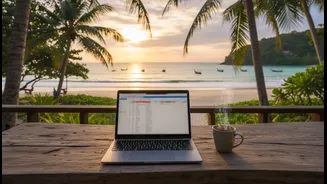
The concept of a 'digital nomad'—a person who uses technology to work remotely while traveling—has exploded in popularity. Post-pandemic, as companies embraced flexible work policies, millions realised their job didn't have to be tied to a specific location.
This shift has been most profound among younger generations, like millennials and Gen Z, who often prioritise experiences and freedom over traditional career paths. They are not just taking more trips; they are fundamentally rethinking the relationship between work and life. This mindset has created a perfect storm, with Southeast Asia emerging as the epicentre of this global movement. An estimated 75% of digital nomads worldwide are between 18 and 39 years old, armed with laptops and a desire for adventure.
Why Southeast Asia is the Top Choice
Southeast Asia’s appeal is a powerful combination of factors. The most obvious is the low cost of living; a budget that might cover just rent in a major Western city can fund a comfortable lifestyle in places like Thailand, Vietnam, or Malaysia. Beyond affordability, the region boasts reliable and fast internet in major hubs, which is non-negotiable for any remote worker. Cities like Bangkok, Kuala Lumpur, and even Da Nang in Vietnam offer internet speeds that can easily handle video calls and large file transfers. Furthermore, countries are actively courting these long-stay visitors. Malaysia's 'DE Rantau Nomad Pass' and Thailand's 'Destination Thailand Visa' are prime examples of policies designed to make it easier for remote workers to stay legally for extended periods, from one to even five years. Indonesia's visa for Bali also allows for long-term stays, recognising the island's status as a classic nomad hub.
Tracking the Youth-Driven Surge
So how do we know this surge is happening? The 'youth interest tracking' mentioned in the headline refers to how digital platforms and travel companies analyse user data to spot trends. It’s less about individual surveillance and more about big-picture analysis. Travel platforms like Agoda have identified that Gen Z travellers in Asia are opting for shorter, more frequent trips, which aligns with the 'workation' model where someone might work from a new country for a few weeks or months. These platforms track search queries for terms like 'long-stay rentals', social media hashtags like #digitalnomad and #workfrombali, and booking patterns for one-way tickets or extended accommodation. An increase in these metrics signals a clear rise in interest. The growing presence of YouTubers and content creators sharing their lives in places like Da Nang or Chiang Mai also fuels this trend, providing a real-time, aspirational view of the lifestyle that further drives interest and bookings.
The Hottest Nomad Hubs
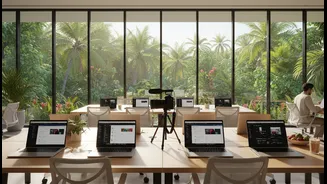
While Bali and Chiang Mai have long been the poster children for the digital nomad scene, the map is expanding. In Thailand, Bangkok offers a world-class city experience at an affordable price, while islands like Koh Lanta provide a more relaxed vibe. Vietnam has become a rising star, with Da Nang, in particular, being called Southeast Asia's fastest-growing digital nomad destination. Its combination of beach city living and low costs is proving to be a massive draw. In Malaysia, Kuala Lumpur provides a modern, international city experience, while Penang is known for its great food and creative energy. These cities are not just places to work; they have established communities with co-working spaces, cafes, and social events, making it easy for newcomers to connect.
More Than Just a Long Holiday
It's important to understand that for most, this isn't an endless vacation. The reality involves balancing work commitments across different time zones, finding reliable housing, and navigating the complexities of visas and healthcare. The trend is also maturing from constant country-hopping to a 'slomad' lifestyle, where individuals stay in one place for several months to build a routine and a sense of community. This deeper engagement benefits local economies more, as nomads spend more on local services and integrate into the community. However, this influx also brings challenges, including potential strain on local housing markets and infrastructure. The dream of working from paradise is achievable, but it requires planning, discipline, and a respect for the local culture.