


Why A Happy Gut Matters
Before diving into the salad bowl, it's worth understanding why digestive health is so crucial for your overall well-being. A well-functioning digestive system does more than just process the food you eat; it's responsible for absorbing vital nutrients,
eliminating waste, and even supporting a strong immune system. When digestion is sluggish or imbalanced, it can lead to discomfort, bloating, and a general feeling of lethargy. Many common digestive issues can be improved by making thoughtful dietary choices. Incorporating fibre-rich, hydrating, and nutrient-dense foods is a powerful first step toward creating a healthier gut environment. This is where a simple, daily salad bowl can make a significant difference.
Cucumber: The Hydration Hero
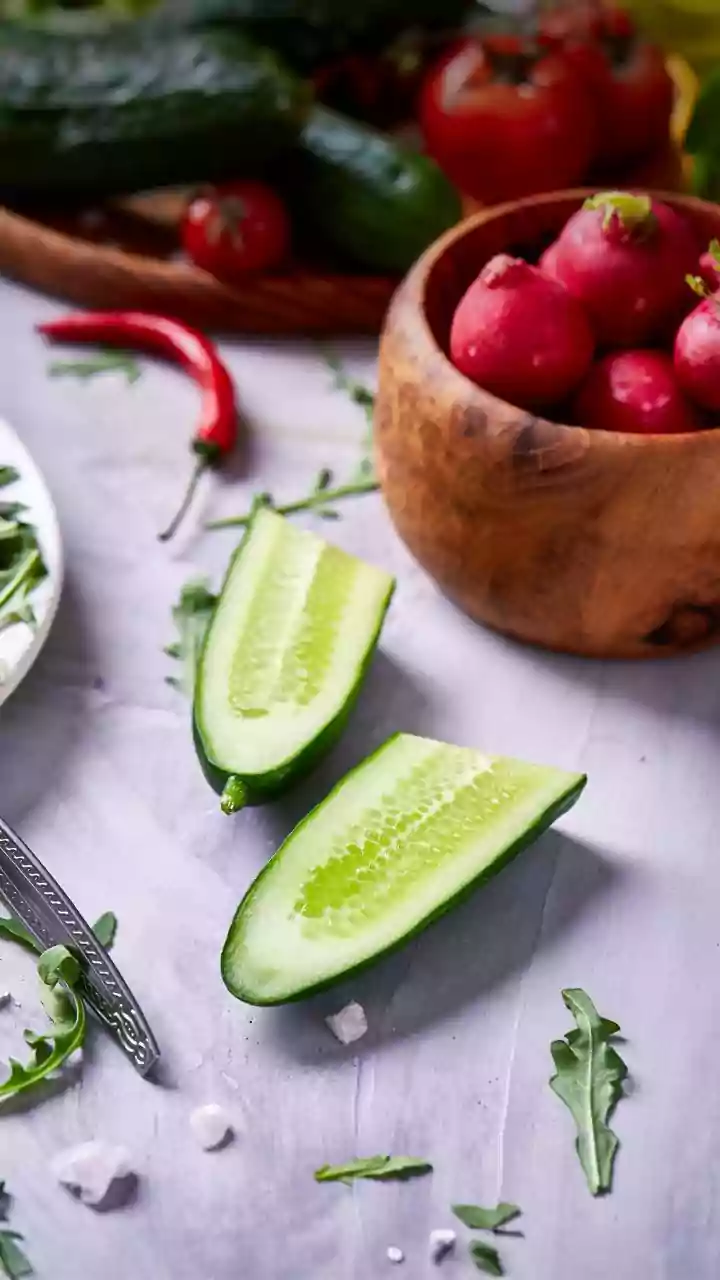
Cucumbers are a fantastic base for any digestive-friendly salad primarily because of their high water content—around 95%. Proper hydration is a cornerstone of good digestion because it helps soften stool, preventing constipation and ensuring everything moves smoothly through your digestive tract. Beyond hydration, cucumbers, especially with the skin on, provide a good amount of dietary fibre. This includes pectin, a type of soluble fibre that helps increase the frequency of bowel movements and feeds the beneficial bacteria residing in your gut, further promoting a healthy digestive ecosystem. Their refreshing, crisp texture also makes them a satisfying and low-calorie addition to any meal.
Beetroot: A Prebiotic Powerhouse
This vibrant root vegetable is packed with benefits for your gut. Beetroot is an excellent source of dietary fibre, which is essential for regularity. The fibre acts as a prebiotic, which means it serves as food for the beneficial bacteria in your colon, such as Bifidobacteria and Lactobacilli. As these friendly bacteria break down the fibre, they produce short-chain fatty acids (SCFAs), which are crucial for maintaining the health of your colon lining. Beetroot also contains unique antioxidants called betalains, which help support a healthy inflammatory response within the gut. Whether you use it raw and grated or lightly cooked, beetroot adds an earthy sweetness and a serious nutritional boost.
Sprouts: An Enzyme and Nutrient Boost
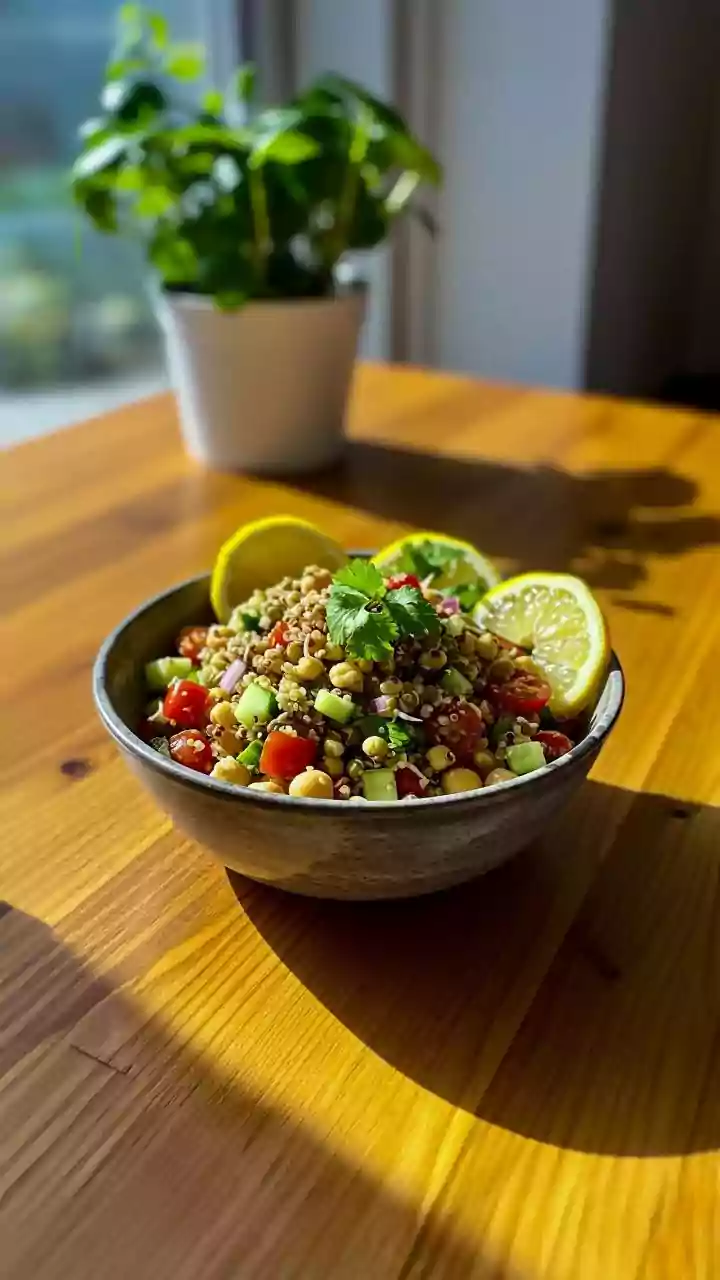
Sprouts are often called a 'living food' for good reason. The process of sprouting activates enzymes that can help your body digest food more efficiently. These enzymes assist in breaking down complex carbohydrates and proteins, potentially reducing issues like gas and bloating. Sprouting also significantly increases the fibre content of the seed, grain, or legume, which helps move waste through your digestive tract. Furthermore, the germination process makes nutrients like vitamins and minerals more bioavailable, meaning your body can absorb them more easily. Adding a handful of fresh sprouts, like mung bean, broccoli, or lentil sprouts, can elevate your salad from a simple dish to a powerhouse of digestive support.
Assembling Your Daily Digestive Bowl
Creating this beneficial salad is simple and can be easily adapted to your tastes. Start with a generous base of fresh, washed greens. Add about half a chopped cucumber (with the skin on for extra fibre), one small grated or cooked and cubed beetroot, and a healthy handful of your favourite fresh sprouts.To enhance the flavour and benefits, consider a simple dressing of olive oil and lemon juice. Olive oil helps with nutrient absorption, while lemon juice can also aid digestion. For extra crunch and nutrients, you can add a sprinkle of seeds like pumpkin or chia seeds. The key is consistency. The headline's promise of 'fast' improvement is best understood as the result of making this salad a regular, daily habit. Your digestive system thrives on routine and a consistent intake of fibre and whole foods.