






The Soothing Power of Plain Steam
Steam inhalation is a time-tested method for easing congestion. The primary benefit comes from the warm, moist air. This moisture helps to thin out thick mucus in your nasal passages, making it easier to clear. The warmth can also be soothing for irritated
tissues in your nose and throat, providing temporary relief from that stuffy, blocked-up feeling. Many doctors and health organisations recommend simple steam inhalation or taking a hot shower as a way to manage mild symptoms of a cold or sinusitis. It’s a natural, accessible way to feel more comfortable while your body fights off an infection. Think of it as a supportive tool; it doesn’t cure the underlying illness, but it can make the symptoms more bearable.
Why We Add Herbs and Oils
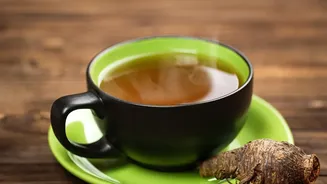
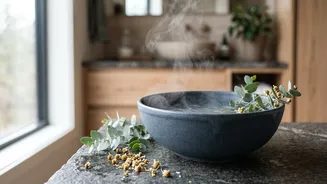
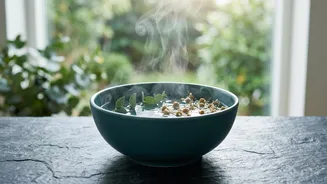
The impulse to add something extra to the steam is understandable. Herbs like eucalyptus, peppermint, thyme, and ajwain are popular choices, often in the form of fresh leaves or essential oils. Many of these plants contain volatile compounds, like menthol in peppermint or eucalyptol in eucalyptus, that provide a strong cooling sensation and can create the perception of improved airflow. Traditionally, these herbs are believed to have additional benefits, such as antimicrobial or anti-inflammatory properties. The aroma itself can also be psychologically comforting, making the experience feel more therapeutic. Adding a few drops of a decongestant blend or a handful of herbs is a practice rooted in both tradition and the desire to actively do something to speed up recovery.
The Hidden Risk of Irritation
This is where context becomes crucial. While many people use herbal steam without issue, the very compounds that give herbs their potent aroma can be irritants for others. Essential oils are highly concentrated and, when inhaled, can sometimes irritate the sensitive lining of the nose, throat, and even lungs. This is particularly true for individuals with pre-existing conditions like asthma, allergies, or chronic respiratory issues. In some cases, instead of soothing inflammation, the herbal compounds can worsen it, trigger an allergic reaction, or even cause a skin rash. People with allergies to specific plant families, like the ragweed family (which includes chamomile), may find that inhaling these herbs triggers their allergy symptoms. Overusing strong oils can lead to discomfort, and some experts caution against their use for young children, who are more sensitive.
Experts Weigh In: Safer Is Better
When it comes to scientific evidence, the benefits of steam itself are more established for temporary symptom relief than the benefits of added herbs. Some studies have found that steam inhalation doesn't significantly shorten the duration of an illness and its main role is comfort. Many medical professionals favour plain steam because it provides the core benefit—moisture and warmth—without the added risk of irritation or allergic reaction. If you want to try adding herbs, caution is key. Use only a small amount, such as a few drops of oil. It’s also wise to do a patch test on your skin with a diluted version of the oil first to check for any reaction. Pay attention to how your body responds; if you feel any discomfort, stinging, or increased irritation, it's best to stop and stick to plain steam.
How to Steam Safely
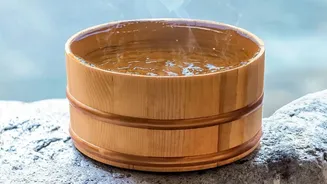
Whether you use plain or herbal steam, safety is paramount to avoid burns. First, use a sturdy, wide-based bowl on a flat surface to prevent it from tipping over. Pour hot, but not boiling, water into it. Lean over the bowl, keeping your face at a safe distance of at least 20-30 centimetres to avoid scalding your skin. Drape a towel over your head to trap the steam. Close your eyes and breathe slowly and gently for about 5 to 10 minutes. It's not a case of 'more is better'; prolonged sessions can sometimes dry out your nasal passages. This method should never be used with young children due to the high risk of burns. For kids, sitting in a steamy bathroom while a hot shower is running is a much safer alternative.