





The Deluge and The Disruption
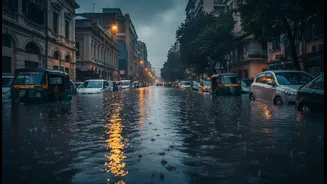
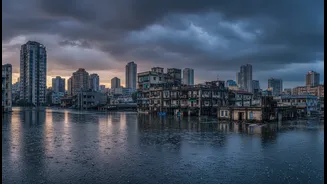
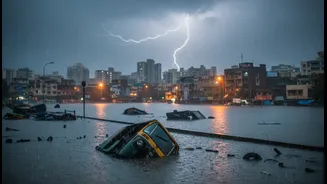
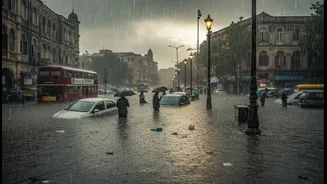
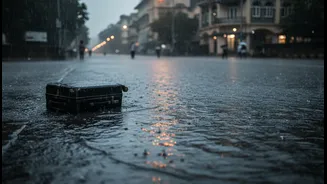
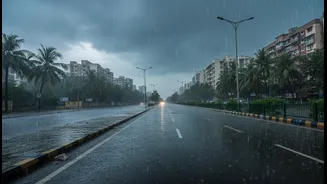
The first week of July 2026 has been a testament to the monsoon's power. Mumbai has been drenched by extremely heavy rainfall, with some areas receiving a significant portion of their monthly average in just a few days. This has led to familiar scenes
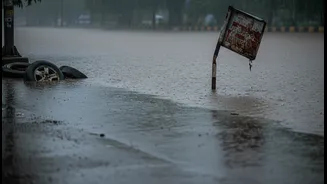
of disruption across the city. Waterlogging in low-lying areas like Andheri, Sion, and Chembur has slowed traffic to a crawl, turning routine commutes into hours-long ordeals. The city's lifeline, the local train network, has been running with delays of 15-30 minutes on the Central and Western lines, while some long-distance train services have been cancelled or rescheduled due to landslides and flooded tracks in the surrounding ghat sections. The India Meteorological Department (IMD) has issued multiple alerts, urging citizens to be cautious.
The Unavoidable Risks
Living with the monsoon means navigating a series of risks. Beyond the obvious travel disruptions, there are significant public health concerns. The Brihanmumbai Municipal Corporation (BMC) regularly issues advisories warning about the spike in water-borne diseases like leptospirosis, gastroenteritis, and dengue, as floodwaters can be contaminated. Wading through waterlogged streets is strongly discouraged. There is also the danger of falling trees, which have caused fatalities in recent weeks, and the risk associated with open manholes, which can become invisible traps during floods. The city's infrastructure, from its aging drainage systems to the strain of ongoing construction, is tested to its limits, often proving insufficient against the kind of concentrated downpours that are becoming more common.
A Silver Lining in the Clouds
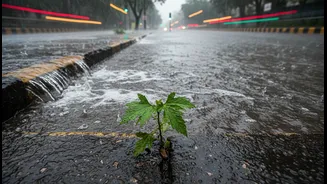
For all the chaos it causes, the monsoon is absolutely vital for Mumbai's survival. The heavy rains that flood the streets also fill the seven lakes that supply the city's drinking water for the entire year. Following the recent downpours, the water levels in these lakes have seen a significant and welcome rise. As of July 10, the collective water stock stood at nearly 50% of total capacity, a vast improvement from the critically low levels seen just weeks ago. Two lakes, Vihar and Tulsi, are already overflowing. This replenishment ensures that the city avoids the severe water cuts that were implemented earlier in the year, providing water security for millions of residents. The rains also bring a much-needed drop in temperature and humidity, and play a crucial role in the region's agriculture and ecosystem.
Why This Cycle Repeats
Mumbaikars often ask why the city floods so predictably. The answer is a complex mix of geography, urban planning, and climate change. Mumbai is a coastal city built on reclaimed land, making it naturally susceptible to flooding, especially when heavy rain coincides with high tides. Decades of rapid, often unplanned, urbanisation have covered natural surfaces with concrete, preventing rainwater from being absorbed into the ground. The city's storm-water drain system, parts of which are decades old, struggles to cope with the sheer volume of water from increasingly intense, short bursts of rain — a pattern that scientists link to climate change. While the BMC undertakes pre-monsoon desilting and has installed a network of pumping stations, these measures are often overwhelmed.
Your Monsoon Reader Takeaway
Navigating the monsoon in Mumbai requires preparedness and common sense. Firstly, stay informed. Before stepping out, check the train status on the Western and Central Railway's official social media handles or apps like m-Indicator. Use real-time traffic apps to check for waterlogging on your route. Secondly, take health precautions. Avoid eating street food that may be exposed to contaminated water and ensure your drinking water is filtered or boiled. Try to avoid wading through flooded areas. If you must, wash your legs and feet thoroughly with soap and clean water as soon as possible. Thirdly, be prepared for delays. Always add buffer time to your travel plans and carry a power bank for your phone, a small umbrella, and a waterproof bag for your electronics. Finally, follow official advisories from the BMC and IMD regarding weather warnings and travel recommendations.