


The Earth's Natural Refrigerator
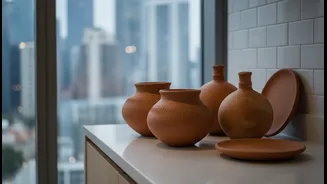
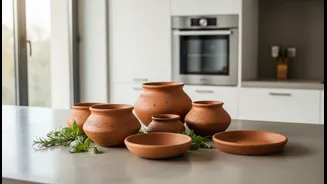
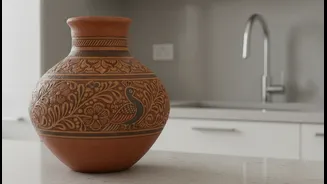
Long before electric refrigerators became a kitchen staple, households across India relied on the simple genius of the humble clay pot, or 'matka', to keep water refreshingly cool. This age-old wisdom is at the heart of a resurgence in terracotta's popularity.
The science is straightforward yet effective: terracotta is a porous material. When water is stored in a clay vessel, a tiny amount seeps through these microscopic pores to the outer surface. As this moisture evaporates, it draws heat from the water inside, lowering its temperature. This process of evaporative cooling is nature's own air conditioning, a technique our ancestors mastered centuries ago. It's a silent, energy-free method that not only cools but also imparts a unique, earthy taste to the water, a flavour many remember with nostalgia.
A Modern Design Renaissance
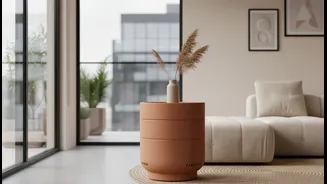
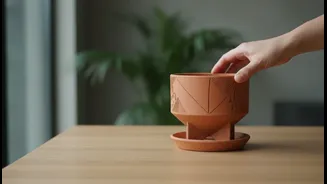
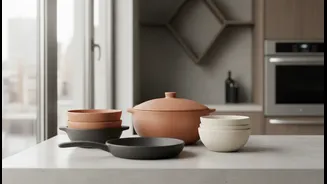
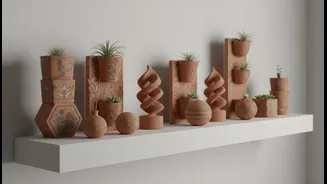
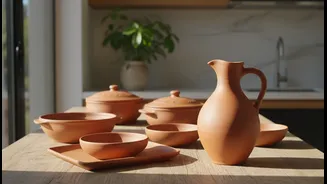
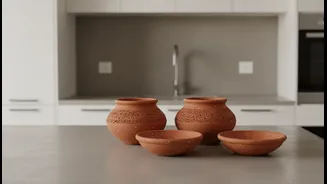
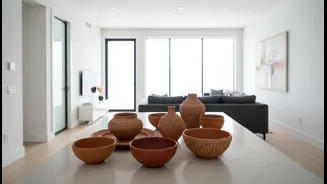
What makes today's terracotta trend a 'movement' is its fusion of this ancient function with modern form. While the traditional matka remains a classic, designers and artisans in Rajasthan are reimagining clay for the contemporary Indian home. This isn't just about reviving old techniques; it's about adapting them to a new aesthetic. Brands and local artisans are creating sleek, minimalist pitchers, geometric water bottles, and stylish serving bowls that look perfectly at home in an urban apartment. These new designs often feature cleaner lines, subtle hand-painted motifs, and ergonomic shapes that cater to modern sensibilities. The focus is on creating products that are not only functional and sustainable but also objects of beauty, turning everyday items into conversation pieces.
Beyond the Water Pot
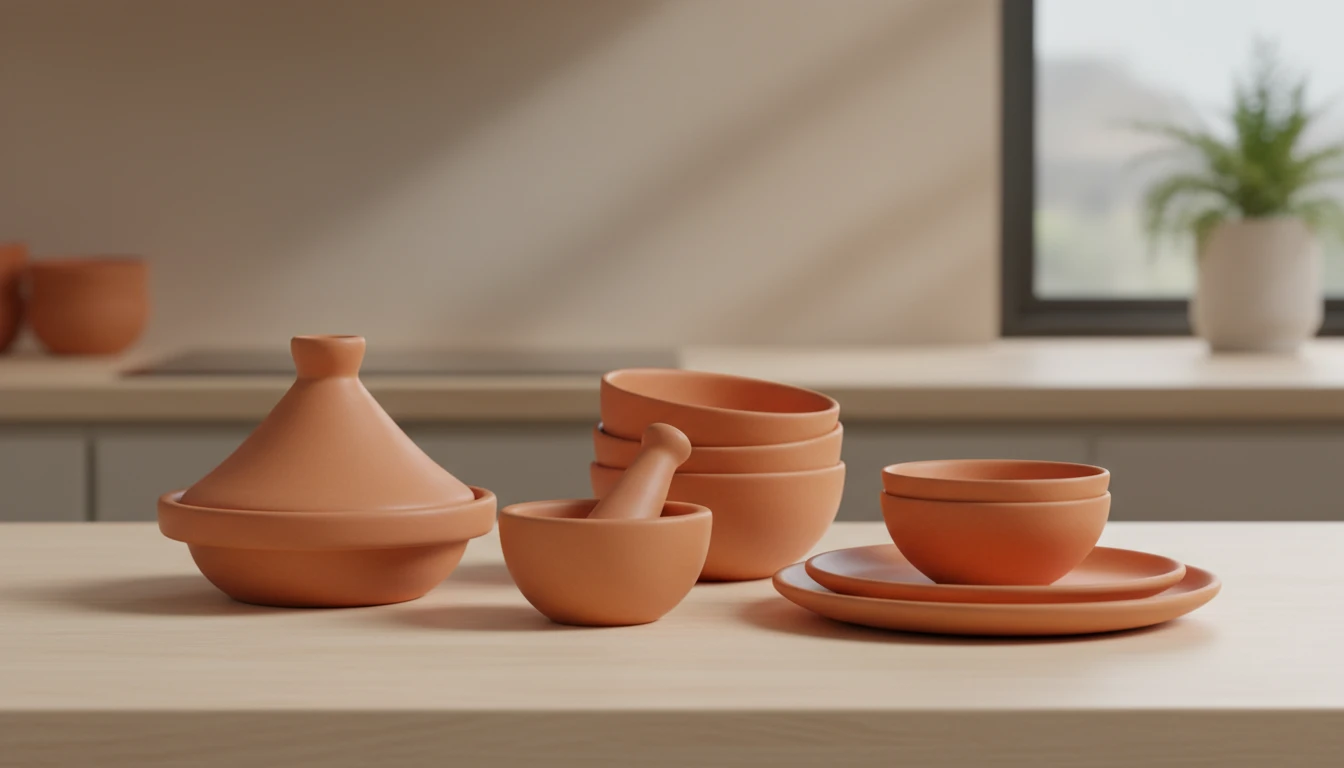
The innovation extends far beyond drinking vessels. The natural cooling properties of terracotta are being harnessed for a wide range of kitchenware designed to preserve food. Think of porous clay containers for storing fruits and vegetables, which help them stay fresh longer than in a sealed plastic box. Terracotta curd-setting pots are another popular item, as the clay's properties help absorb excess water, resulting in thicker, creamier dahi. The material's low thermal conductivity also makes it excellent for keeping food warm. From hand-modelled 'kadhais' and serving handis that retain heat to sprout makers and salt jars, artisans are demonstrating the incredible versatility of baked earth. This new wave of products is a testament to how traditional materials can solve modern problems.
The Artisans of Rajasthan
This movement is powered by the skilled hands of Rajasthan's potters, particularly from artisan communities like those in Molela and Pokhran. For generations, these craftspeople have passed down the secrets of working with local clay. Molela, a village in the Rajsamand district, is historically famous for its narrative terracotta plaques depicting deities and village life. While these traditional art forms continue, many artisans are now applying their deep knowledge of the material to this new generation of kitchenware. By collaborating with designers or innovating on their own, they are finding new markets and ensuring their craft not only survives but thrives. This economic upliftment provides a sustainable livelihood and helps preserve a priceless part of India's cultural heritage.