



Embracing the 'Zero Gear' Philosophy
The idea of 'zero gear' fitness can feel liberating. It isn't about doing less; it's about being more resourceful. This approach, often called calisthenics or bodyweight training, uses your own mass as resistance to build strength, improve flexibility,
and boost cardiovascular health. The benefits are clear: it's completely free, requires minimal space, and significantly reduces the risk of injury by promoting proper form and body awareness. Instead of isolating muscles with machines, bodyweight exercises teach your body to work as an integrated system, enhancing the functional strength you use in everyday life. It’s about creating a powerful, resilient body without a single dumbbell.
The Five Foundational Movements
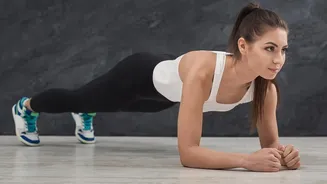
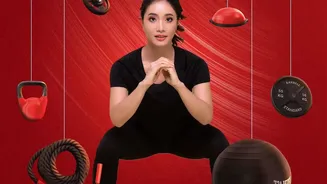
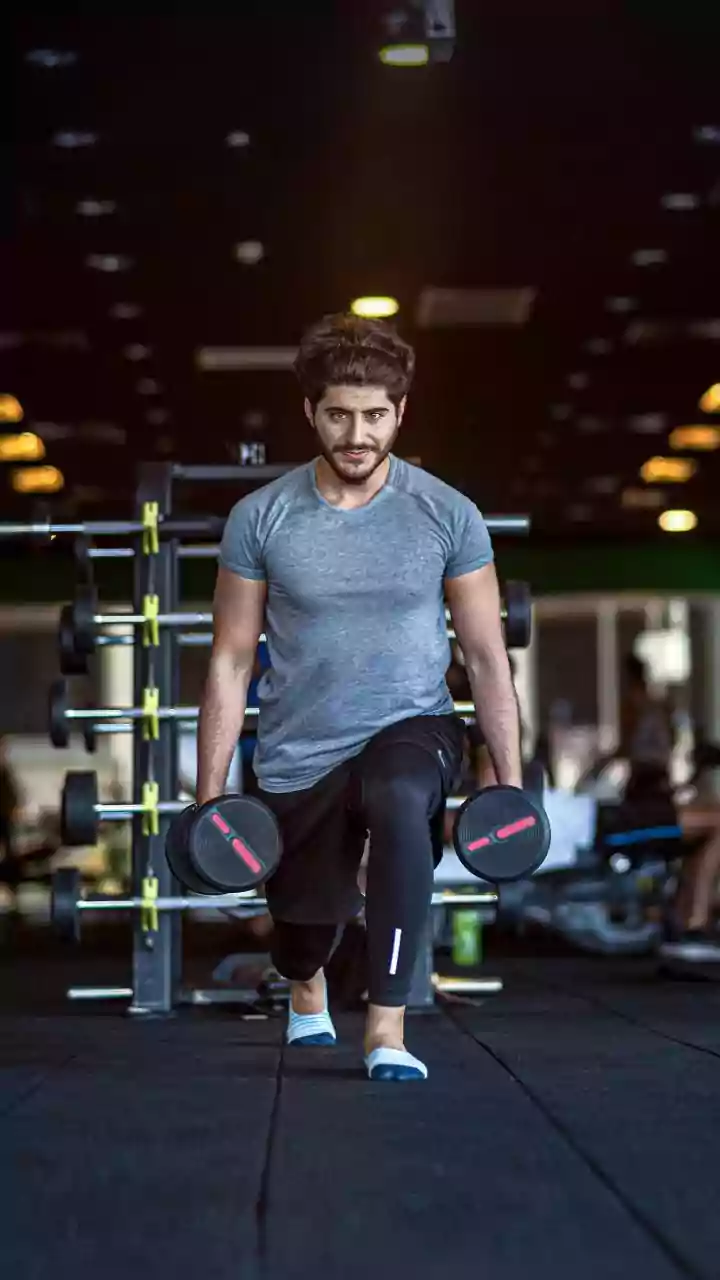
To get a full-body workout, you only need to master a few key movements. These compound exercises work multiple muscle groups simultaneously, giving you the most bang for your buck. Start by perfecting these five: Push-Ups, for chest, shoulders, and triceps; Bodyweight Squats, for legs and glutes; Lunges, to improve balance and target each leg individually; Planks, for core stability and strength; and Glute Bridges, to activate your posterior chain and support your lower back. Start with a number of repetitions that feels challenging but allows you to maintain good form, and gradually increase as you get stronger.
Designing Your Small-Space Gym
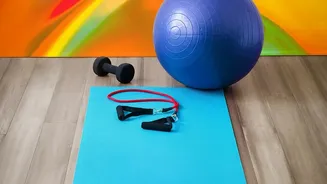
Your living room corner is your new fitness studio. All you truly need is an area about two metres by two metres—enough space to lie down and extend your arms and legs. To make your workouts more comfortable, a simple yoga mat is an excellent investment. It cushions your joints and defines your dedicated workout zone. Look around your room for items that can assist you. A sturdy chair is perfect for triceps dips or elevated push-ups. A clear bit of wall space can be used for wall-sits or support during balance exercises. The key is to see the potential in your environment. By dedicating a specific corner for fitness, you can mentally switch from 'home mode' to 'workout mode', boosting focus and consistency.
Sample Weekly Workout Plan
Consistency is more important than intensity when you're starting out. A simple plan can help you build a lasting habit. Try this three-day-a-week routine: On Day 1, focus on strength. Perform 3 sets of 10-15 repetitions of push-ups, squats, and planks, resting for 60 seconds between sets. On Day 2, rest or do some light activity like stretching or walking. On Day 3, focus on cardio and endurance. Create a circuit by performing each of the five foundational exercises for 45 seconds, with 15 seconds of rest in between. Repeat the entire circuit 3-4 times. This High-Intensity Interval Training (HIIT) format is an extremely effective way to get a full workout in a short amount of time. Listen to your body and adjust the intensity as you progress.
Beyond Bodyweight: Optional Minimalist Tools
While you can achieve incredible results with bodyweight alone, a few small, affordable, and storable tools can add variety and challenge. Resistance bands are a top choice for minimalist fitness. They are lightweight, versatile, and can intensify exercises like squats and glute bridges or mimic movements you would do with heavy gym equipment. Another great option is a jump rope for a high-intensity cardio burst that takes up almost no storage space. If you're looking to make one small investment in equipment, adjustable dumbbells can replace an entire rack of weights while fitting neatly in a closet. However, these are purely optional upgrades for when you feel you're ready to progress beyond the powerful foundation of zero-gear training.