

The Dawn of the Lunar Economy
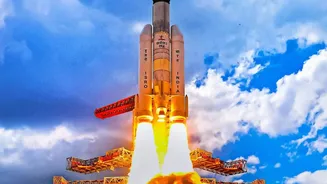
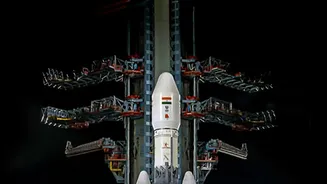
Following the historic success of ISRO’s Chandrayaan-3 mission, which made India the fourth nation to land on the Moon and the first to reach the south pole, the global perception of India's space capabilities has transformed. This achievement was not
just a scientific victory but a powerful demonstration of cost-effective engineering. Now, building on that momentum, India’s private sector is stepping up. The global space economy is booming, projected to be worth trillions in the coming decades, and the Moon is a key destination. This emerging "cislunar economy" involves everything from scientific research and resource prospecting to deploying infrastructure, and it all needs transportation. That’s where commercial payload missions come in—and where Indian startups see a massive opportunity.
What are Commercial Payloads?
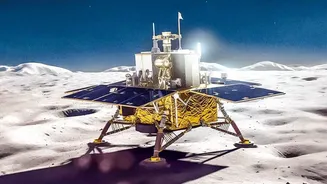
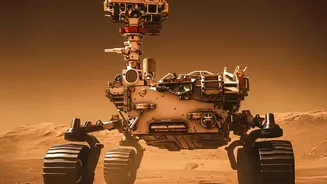
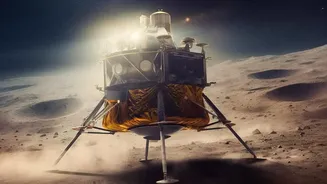
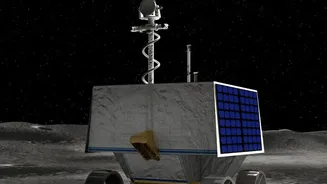
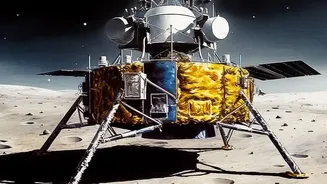
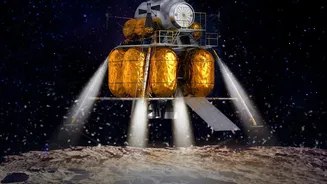
In simple terms, a payload is anything a rocket or lander carries to space for a specific purpose. For commercial lunar missions, these aren't just large government satellites. Payloads can be small scientific instruments from a university, technology demonstrations from a tech company, or even rovers from another nation that needs a ride to the lunar surface. Companies around the world are eager to test their technologies in the lunar environment, search for resources like water ice, and conduct experiments. However, getting to the Moon is incredibly expensive. By developing smaller, more affordable rovers and landers, Indian startups aim to drastically lower the cost of entry, effectively becoming the lunar equivalent of a cost-effective courier service.
Meet the Indian Trailblazers
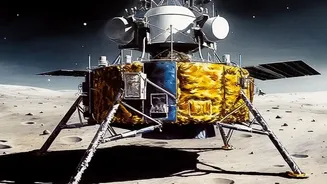
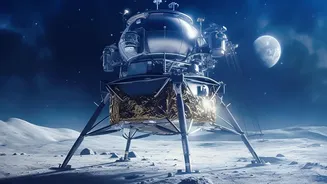
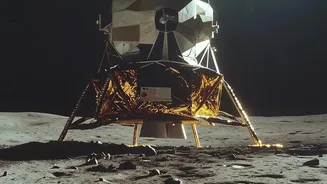
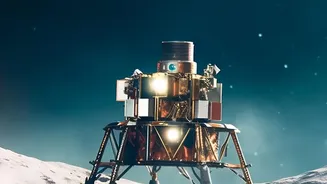
At the forefront of this push is Axiom Research Labs, the company formerly known as TeamIndus. Originally a competitor for the Google Lunar XPrize, the Bengaluru-based firm has deep experience in designing lunar landers and rovers. Their ECA rover (short for 'Ek Choti Si Asha' or 'A Small Hope') was a pioneering effort in private Indian lunar exploration. The company has since collaborated with international partners, contributing its design and engineering expertise to NASA's Commercial Lunar Payload Services (CLPS) program through consortiums. Another key player is ORBITBeyond, which is establishing a global space systems centre in Odisha to design and manufacture lunar landers and rovers in India for missions worldwide. The company highlights its collaboration with engineers from the Chandrayaan missions and its partnership with local manufacturing experts who supplied parts for Chandrayaan-3. These companies are part of a rapidly growing ecosystem of over 400 space startups in India, fueled by government policy changes designed to open the sector to private enterprise.
Frugal Innovation as a Business Strategy
India’s key advantage is its well-established reputation for “frugal innovation”—achieving complex technological feats at a fraction of the cost of international counterparts. ISRO's Mars Orbiter Mission, for example, cost less than the Hollywood movie 'Gravity'. Similarly, the Chandrayaan-3 mission had a budget of around $75 million, a stark contrast to the hundreds of millions or even billions spent by other nations on similar endeavors. Indian startups are adopting this same ethos. By leveraging 3D printing, modular designs, and a robust local supply chain, they aim to build rovers and deliver payloads for a price that larger, established aerospace giants can't match. This cost-competitiveness is India's ticket to capturing a significant share of the projected $45 billion Indian space economy by 2030.
The Road Ahead: Collaboration and Challenges
The path to the Moon is not without obstacles. Securing consistent funding, navigating complex international space laws, and the sheer technical challenge of landing and operating on the lunar surface remain significant hurdles. However, the environment is increasingly supportive. The Indian government's 2023 space policy explicitly encourages private sector participation, with ISRO tasked to focus on R&D while private firms handle commercial activities. Furthermore, international collaboration is deepening. India is a signatory to the Artemis Accords, a US-led framework for peaceful lunar exploration, and NASA has invited ISRO to participate in its Moon Base program. This creates opportunities for Indian startups to integrate into global supply chains and partner on ambitious international missions, moving from being service providers to indispensable partners in humanity’s return to the Moon.