




What Exactly Are Hybrid Products?
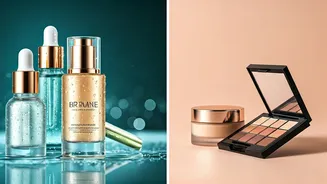
Hybrid skincare, at its core, is about combining active skincare ingredients with cosmetic products. Think of a foundation infused with hyaluronic acid, a concealer with retinol, or a lip oil packed with antioxidants. The goal is to deliver both immediate
aesthetic enhancement and long-term skin benefits in a single application. This isn't just about adding a token amount of a vitamin for marketing claims. True hybrid products aim to include ingredients at therapeutic concentrations that can genuinely support the skin. The concept itself isn't entirely new—BB and CC creams were early pioneers, merging moisturiser, primer, foundation, and SPF into one tube. Today's versions are more sophisticated, featuring powerhouse ingredients like peptides, niacinamide, and ceramides.
The Allure: Why Is Everyone Talking About Them?
The popularity of hybrid products is soaring for a few key reasons. The biggest driver is convenience. In our fast-paced lives, a product that combines multiple steps—like moisturising, sun protection, and coverage—is a massive time-saver. This trend, often called 'skinimalism,' appeals to those who want an effective but streamlined routine. It also means using fewer individual products, which can be kinder to both your wallet and the environment by reducing packaging waste. For many, especially in hot and humid climates, the lightweight feel of a hybrid product is far more comfortable than layering several thick creams and foundations.
The Big Question: Do They Actually Work?
Here's where it gets nuanced. According to dermatologists, the answer is yes, but with important caveats. The effectiveness of a hybrid product depends heavily on its formulation and the concentration of its active ingredients. While they can provide real benefits like hydration and antioxidant support during the day, they are not a replacement for a dedicated skincare routine. Think of it as a supplement, not a substitute. A foundation with Vitamin C offers some protection, but the dosage is likely too small to deliver the same results as a potent, standalone Vitamin C serum applied to clean skin. The most significant impact often comes from the product's primary function being enhanced—for example, a serum foundation providing better hydration for dry skin than a traditional one.
The Pros: When Hybrids Shine
Hybrid products are particularly brilliant for certain situations and skin types. For those with dry, dehydrated, or mature skin, serum foundations can be a game-changer, as their hydrating ingredients prevent makeup from clinging to dry patches and settling into fine lines. They are also ideal for people who prefer a natural, 'no-makeup' makeup look, as they typically offer sheer to medium coverage with a dewy finish. Tinted sunscreens are another standout category. Experts note that not only do they provide effective UV protection, but the iron oxides that create the tint also help shield skin from blue light from screens. This makes them a superior choice for daily protection, especially for those concerned with hyperpigmentation.
The Cons: Where They Can Fall Short
The biggest drawback of a jack-of-all-trades product is that it can be a master of none. One of the main concerns is compromised efficacy. For an ingredient to work, it needs to be at the right concentration and in a formula that allows it to penetrate the skin—both of which can be diluted in a makeup product. Another critical issue is application. With a tinted SPF, for instance, most people don't apply the thick layer required to achieve the advertised sun protection level, treating it more like a foundation. Furthermore, these products may not be suitable for everyone. Oily skin types might find hydrating serum foundations too greasy, causing makeup to slide off during the day. And for those needing to treat specific, stubborn skin concerns like severe acne or deep wrinkles, a targeted serum or prescription treatment will always be more effective.
How to Be a Smart Hybrid Shopper
So, are they worth the hype? Yes, if you choose wisely and manage your expectations. Don't expect a tinted moisturiser to replace your powerful anti-aging serum. Instead, view it as makeup that is more beneficial for your skin than a traditional formula. When shopping, look for products that list their active ingredients high on the ingredients list. Pay attention to your primary need. If you're buying a tinted sunscreen for sun protection, make sure it has a high SPF (30 or above) and commit to applying the proper amount. If your goal is a more hydrating foundation, look for ingredients like hyaluronic acid and ceramides. Ultimately, hybrid products are excellent for simplifying your routine and giving your skin an extra boost, but they work best in partnership with, not in place of, a consistent skincare regimen.