




The Viral Food Phenomenon
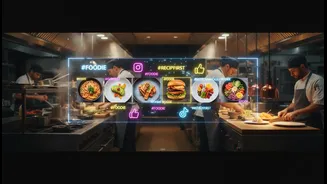
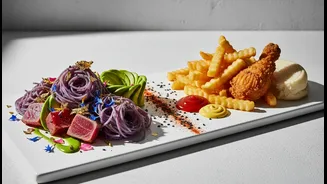
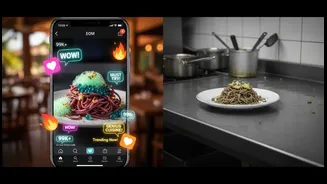
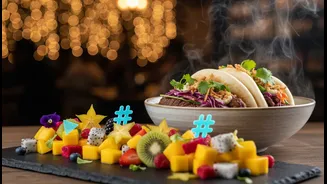
On platforms like Instagram, food trends in India now move at lightning speed. Short-form videos showcasing visually stunning and often over-the-top creations can rack up millions of views overnight. These trends, from fusion concepts like butter chicken
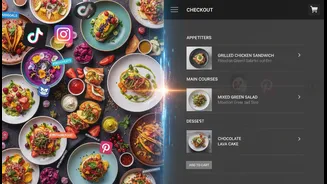
tacos to elaborate seasonal desserts, create rapid, widespread demand. For food creators, this is a low-risk, high-reward ecosystem where a single reel can build a massive following. They are the engine of food discovery for a generation that decides where and what to eat based on what they see online. This digital-first food culture is driven by a desire for novelty and shared experiences, turning food into a form of social currency.
The QSR Operational Reality
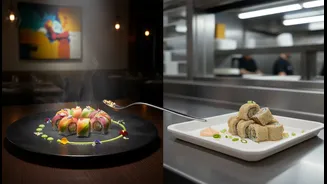
While a food creator can popularise a dish with a phone and a ring light, a Quick Service Restaurant (QSR) operates on a completely different scale. For major brands, introducing a new menu item is a complex and costly affair. It involves navigating intricate supply chains, sourcing ingredients consistently across hundreds of outlets, extensive staff training, and ensuring food safety standards. The fast, ephemeral nature of social media trends clashes with the slow, deliberate pace of corporate R&D and operations. A dish that is viral today might be forgotten next month, making the investment risky for brands that thrive on consistency and operational efficiency. As a result, many QSRs are cautious, preferring to stick with proven sellers rather than chasing every trend.
What Young Diners Really Want
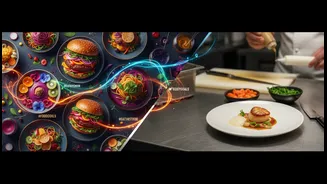
India's young diners, particularly Gen Z and Millennials, are a study in contrasts. They are adventurous and highly influenced by global trends seen on social media. Reports show they are eager to explore new cuisines and value unique dining experiences they can share online. However, they are also price-conscious and convenience-driven. This generation snacks more, prefers smaller meals, and is increasingly health-conscious, often reading nutritional labels and preferring plant-based options. They expect authenticity but also appreciate approachable formats like bowls and wraps. For QSRs, this creates a difficult puzzle: how to offer the novelty and Instagram-worthy appeal seen online while maintaining the value, speed, and consistency that are hallmarks of the fast-food model.
How Brands Are Trying to Adapt
QSR brands are not entirely ignoring the digital wave; they are just responding more strategically. One popular tactic is the Limited Time Offer (LTO), which allows brands to experiment with a trend without committing to a permanent menu change. Collaborations with popular food creators for specific campaigns also help brands tap into viral energy. Some are using social media as a real-time focus group, tracking trending ingredients and formats to inform future menu development. Another approach is focusing on beverages and desserts, which are often more visually appealing and have a lower operational barrier to introduce. Cloud kitchens are also being used to test new concepts and delivery-only menus in a low-risk environment before a wider rollout.