







From a Quiet Mat to a Musical Mela
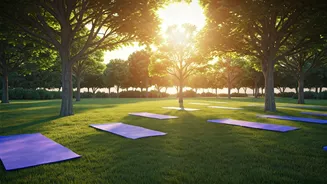
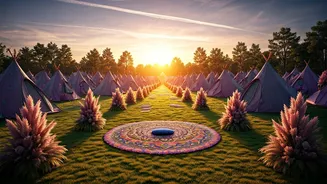
Picture this: It's dawn, but instead of the gentle chirping of birds, you hear the thrum of a bass guitar. Hundreds of yoga mats are spread across a field, not in a quiet hall. On stage, a famous yoga instructor, complete with a microphone, guides the massive
crowd through a sun salutation sequence set to live electronic fusion music. This isn't a dream; it's the scene at a modern yoga festival in India. These events, from the massive International Yoga Festival in Rishikesh to boutique weekend retreats in Goa and the hills of Himachal, have fundamentally changed what a 'yoga event' means. They are multi-day extravaganzas offering a smorgasbord of activities: sound healing sessions, acro-yoga workshops, ecstatic dance parties, spiritual talks from renowned gurus, and bustling markets selling everything from organic cotton apparel to artisanal kombucha. The focus has expanded from the individual posture (asana) to the collective experience.
The Search for Community and Connection
So, why the shift? A huge part of the appeal lies in the search for community. In an increasingly digital and urbanised India, where traditional community structures are weakening, people are actively seeking new tribes. These festivals offer a powerful sense of belonging. They are curated spaces where attendees can connect with like-minded individuals who share their values around wellness, mindfulness, and self-improvement. It’s a chance to unplug from the daily grind and plug into a shared, positive energy. For a generation that often prioritises experiences over possessions, spending a weekend immersed in a holistic environment offers a deeper sense of fulfilment than a simple purchase. The yoga itself becomes the binding agent for a much larger social and emotional experience—a shared language for thousands of strangers seeking connection.
The Burgeoning Wellness Economy
Of course, we cannot ignore the business behind the bliss. The festivalisation of yoga is a direct product of the global wellness industry, a multi-trillion-dollar market in which India is a key spiritual and commercial hub. These festivals are sophisticated business operations with significant budgets, corporate sponsorships, and tiered ticket prices that can range from a few thousand rupees to lakhs for VIP experiences. Brands—from activewear labels to health food companies—are eager to connect with this affluent, health-conscious demographic. Celebrity yogis and wellness influencers have become powerful brands in their own right, drawing huge crowds and commanding high fees. While some critics see this commercialisation as a betrayal of yoga's non-materialistic roots, others argue it's a necessary engine that makes such large-scale, high-quality events possible, allowing the practice to reach a wider, more mainstream audience.
Ancient Practice, Modern Expression?
This evolution naturally sparks a debate: is this a dilution or a dynamic new expression of yoga? Traditionalists worry that the focus on music, socialising, and creating the perfect Instagram post overshadows the true essence of yoga—the inner journey of self-discovery and discipline. They argue that the quiet, introspective nature of the practice is lost amid the festival noise. However, proponents see it differently. They argue that these events make yoga accessible, fun, and relevant to a younger generation that might be intimidated by a formal, austere ashram environment. By blending ancient wisdom with modern culture—music, dance, food, and community—these festivals are creating a new gateway to the practice. For many attendees, a fun weekend festival could be the first step on a much deeper, lifelong journey into yoga and mindfulness. The format may be new, but the core human desire for well-being and connection remains timeless.