





The Allure of the Monsoon
For generations, the Indian travel calendar was clear: head for the hills in summer and the beaches in winter, but stay home during the monsoon. That logic is fading fast. A structural shift in domestic tourism is seeing the monsoon emerge as a powerful
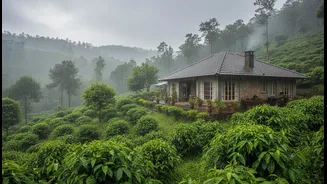
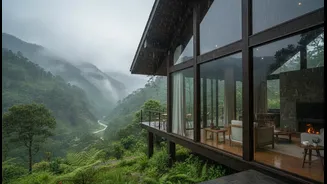
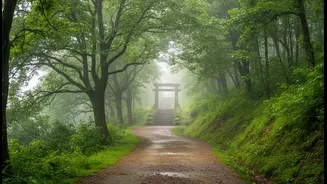
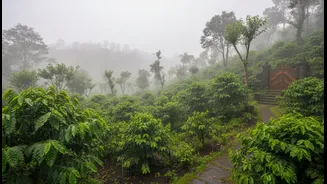
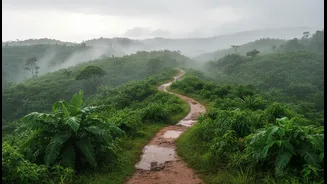
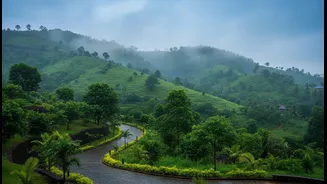
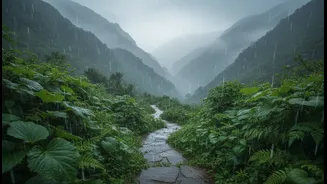
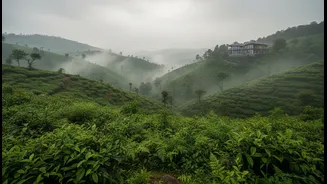
travel driver in its own right. Recent data shows a significant year-on-year increase in monsoon season bookings, with destinations like Coorg and Wayanad seeing growth of about seven times. Instead of seeing rain as a spoiler, a growing number of travellers now view it as the main attraction. They come seeking the dramatic transformation of the landscape, where the Western Ghats are draped in mist, waterfalls roar back to life, and the air smells of wet earth and fresh coffee. This isn’t about ticking off sights; it's about experiencing a place at its most atmospheric and rejuvenated.
Embracing the 'Slow Travel' Philosophy
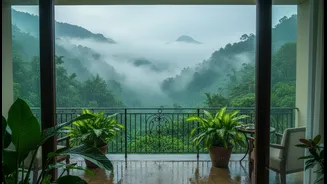
This trend is deeply connected to the rise of 'slow travel'—a mindset that prioritizes depth over destination-hopping. Slow travel is about immersing yourself in a single place, allowing experiences to unfold naturally rather than rushing through an itinerary. In Wayanad and Coorg, this means lingering over a cup of locally grown coffee, taking long walks through plantations between showers, or spending an afternoon reading on a veranda with the sound of rain as your soundtrack. The goal is no longer motion, but meaning. This unhurried approach allows for genuine connection with the landscape and culture, offering a real escape from fast-paced urban life. It’s a return to a more intentional and mindful way of being, where the journey itself is the reward.
The Sanctuary of the Estate Villa
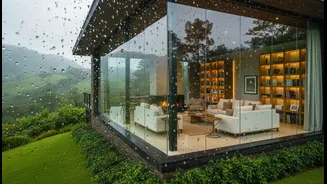
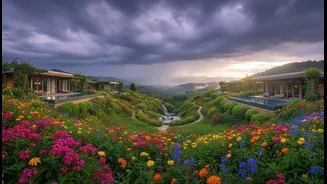
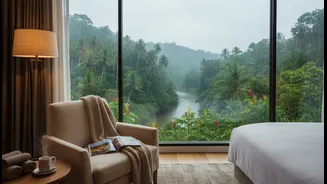
At the heart of this off-season boom are the luxury estate villas that dot the hillsides. These are not just places to stay; they are private sanctuaries designed for seclusion and comfort. Properties like Evolve Back in Coorg or private bungalows in Wayanad offer guests a front-row seat to the monsoon's drama from the comfort of a well-appointed villa, often featuring private pools, large living areas, and personalized service. These stays, set within working coffee and spice plantations, allow guests to experience the rhythm of estate life. The focus is on privacy, space, and quiet luxury, providing a perfect base for a restful retreat where the agenda is set by mood and weather, not a schedule. This blend of high comfort and natural immersion is precisely what slow-travel enthusiasts are looking for.
An Itinerary Written by the Rain
So, what does one do when it pours? The answer is plenty. A typical day in the monsoon doesn't need a packed schedule. Mornings often begin with a guided walk through a rain-washed coffee estate, where the leaves glisten and the air is fragrant. Afternoons are perfect for indulging in Ayurvedic wellness treatments, which are considered particularly effective during the cooler, humid monsoon months. Other activities include visiting spectacular waterfalls like Abbey Falls in Coorg, which are at their most powerful during this season, or simply relaxing indoors with a book and enjoying authentic local cuisine. The emphasis is on allowing the landscape to set the pace, making for a holiday that feels both restorative and real.
Wayanad or Coorg: A Tale of Two Monsoons
While both destinations offer a quintessential Western Ghats monsoon experience, they have distinct characters. Coorg, often called the 'Scotland of India', is more famous for its sprawling coffee plantations and can feel more developed with a wider range of resort options. Wayanad, located in Kerala, generally offers a slower, quieter pace with larger stretches of untouched forests and paddy fields, attracting those looking for a less commercialized escape. Travel trends suggest that while Coorg is a perennial favourite, Wayanad is increasingly being chosen for its more immersive and less crowded environment. Ultimately, the choice depends on the traveller's preference: the polished, heritage-rich atmosphere of Coorg's estates or the wild, serene beauty of Wayanad's forests.